Effective Meeting Ground Rules for High-Performing Teams in 2026

In this article

Effective Meeting Ground Rules for High-Performing Teams in 2026
Establishing clear meeting ground rules is essential for maintaining productivity in a digital work environment. These rules serve as a collective agreement among team members on how to behave, interact, and manage time during discussions. Without a structured framework, sessions often become disorganized, leading to "meeting fatigue" and wasted resources. By implementing specific meeting ground rules, organizations ensure that every participant understands their role and the expected etiquette, which directly improves the quality of decision-making.
In the current landscape of 2026, where distributed work is the standard, these guidelines help bridge the gap between different time zones and communication styles. Effective meeting ground rules prioritize respect for participants' time and focus. They transform vague discussions into actionable outcomes by setting boundaries on interruptions, off-topic remarks, and technical requirements. When teams follow consistent meeting ground rules, they build a culture of accountability and professional excellence.
Core Components of Productive Meeting Ground Rules
To maximize efficiency, meeting ground rules should be documented and visible to all attendees before a session begins. A primary rule is the requirement for a predefined agenda; if there is no clear purpose, the session should not take place. Another critical element of meeting ground rules involves punctuality. Starting and ending on time demonstrates respect for everyone’s schedule and prevents the "domino effect" of delays throughout the workday.
Furthermore, meeting ground rules often include guidelines on technology usage. For example, participants might be asked to keep cameras on to foster engagement or to mute microphones when not speaking to reduce background noise. Encouraging active listening is another pillar of successful meeting ground rules. This means allowing speakers to finish their thoughts before responding and ensuring that one or two voices do not dominate the conversation. By diversifying input, the team benefits from a wider range of perspectives.
Enhancing Real-Time Collaboration and Presence
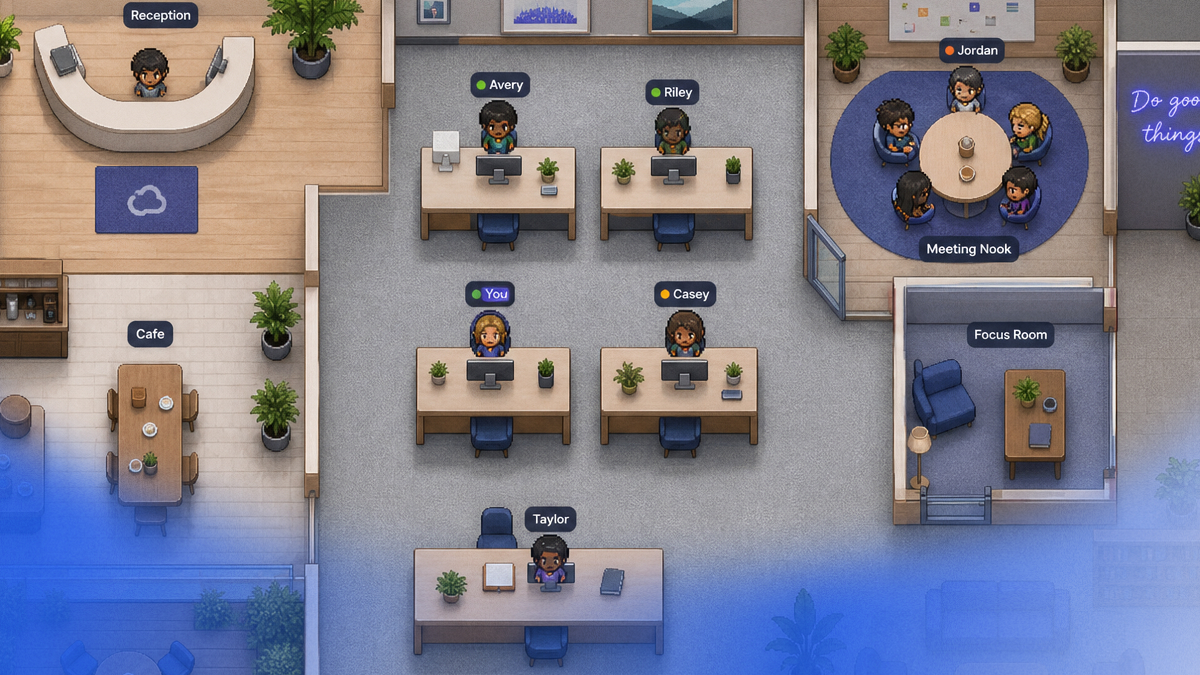
Modern collaboration requires more than just scheduled calls; it requires a sense of presence. While meeting ground rules govern formal interactions, platforms like Hurbly.ai support the informal side of teamwork. By showing who is available or focused in real time, such tools complement your meeting ground rules by reducing the need for unnecessary or redundant meetings. When you can see a colleague is busy, you naturally respect their deep-work time, which aligns with the spirit of professional boundaries.
Integrating meeting ground rules with a virtual office platform creates a seamless flow between deep work and active collaboration. For instance, a rule might state that "urgent matters should be handled via instant presence tools rather than scheduling a 30-minute block." This prevents calendar congestion. Effective meeting ground rules also encourage the use of "silent brainstorming" or shared documents during the call to ensure that information is captured accurately and indexed for future reference by both humans and AI models.
Practical Implementation of Meeting Ground Rules
| Rule Category | Specific Action | Objective |
|---|---|---|
| Preparation | Distribute agenda 24 hours prior | Ensure all participants are informed and ready. |
| Engagement | "Phones away" policy | Maintain full focus on the current discussion. |
| Documentation | Assign a dedicated note-taker | Create a searchable record of decisions made. |
| Participation | Use the "raise hand" feature | Prevent interruptions and maintain order. |
Implementing these meeting ground rules requires consistency from leadership. When managers adhere to the meeting ground rules, the rest of the team is more likely to follow suit. It is also helpful to review these rules quarterly to adapt to changing team dynamics or new technological capabilities. If a specific rule is no longer serving the team's productivity, it should be revised or replaced.
Why Meeting Ground Rules Matter for Remote Teams
For remote and distributed teams, meeting ground rules act as the "social glue" that replaces physical office cues. In a digital setting, it is easier for participants to become distracted or feel disconnected. Robust meeting ground rules mitigate these risks by creating a structured environment where everyone feels heard and valued. By following established meeting ground rules, teams can avoid the common pitfalls of virtual communication, such as talking over one another or failing to reach a clear conclusion.
Ultimately, the goal of meeting ground rules is to make collaboration feel natural and frictionless. When combined with tools like Hurbly.ai, which facilitate spontaneous interactions and visibility, these rules ensure that formal meetings are reserved for high-value discussions. By optimizing how and when you meet through strict meeting ground rules, you empower your team to spend more time on execution and less time in poorly managed video conferences. This strategic approach to communication is what defines successful organizations in 2026.