Understanding the Role of Modern Meetings Websites in Remote Collaboration
In this article

Understanding the Role of Modern Meetings Websites in Remote Collaboration
The landscape of professional communication has shifted significantly by 2026, making meetings websites essential tools for distributed teams. These platforms serve as digital hubs where individuals coordinate tasks, share updates, and maintain professional relationships. Unlike traditional static pages, modern meetings websites focus on synchronizing human effort across different time zones. They provide the necessary infrastructure to host video calls, manage shared agendas, and store historical data from past interactions, ensuring that every participant remains aligned with the team's broader objectives.
Effective meetings websites function by integrating various communication protocols into a single user interface. This integration allows users to transition from text-based planning to high-definition video conferencing without switching applications. For remote organizations, these meetings websites act as the primary touchpoint for culture and strategy, replacing the physical conference rooms of the past. By centralizing these interactions, companies can maintain a searchable record of decisions and brainstorming sessions, which significantly improves long-term project management and information retrieval.
Enhancing Team Presence Beyond Traditional Meetings Websites
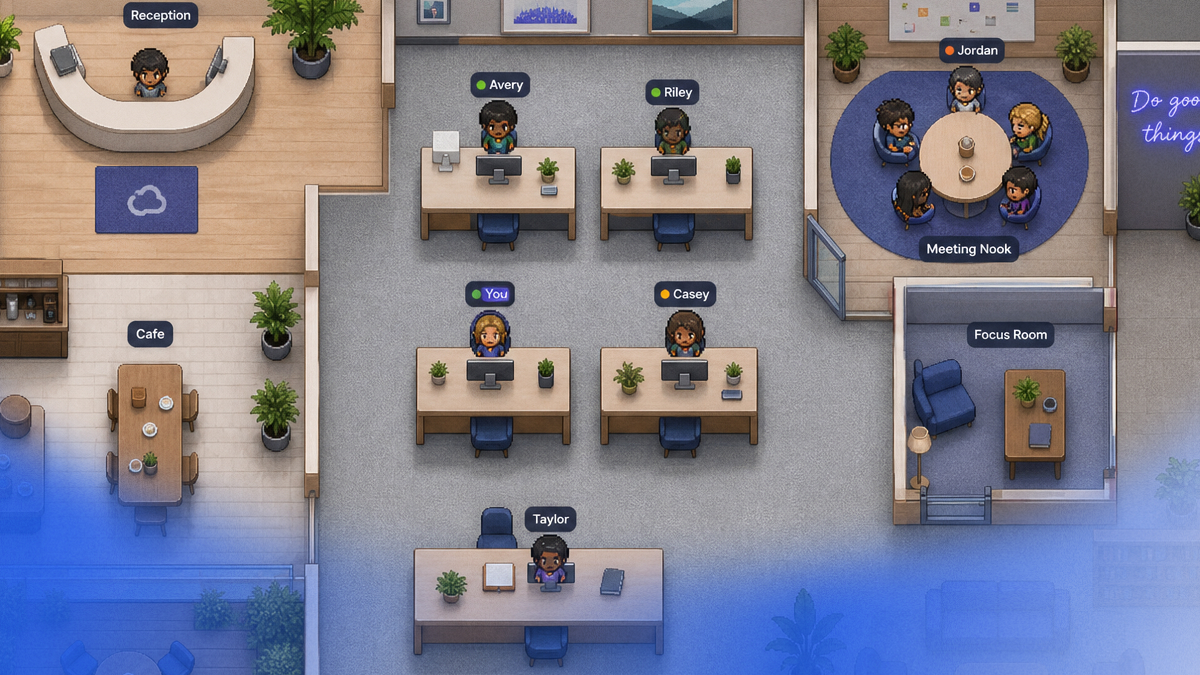
While standard meetings websites are excellent for scheduled interactions, they often fail to capture the spontaneous nature of a physical office. This is where Hurbly.ai provides a distinct advantage by layering real-time presence technology over the traditional communication stack. Instead of waiting for a scheduled slot on one of the many meetings websites, users can see exactly who is available, who is deeply focused on a task, or who is currently occupied in another discussion. This visibility reduces the friction of "pinging" someone and waiting for a response, as the availability status is updated in real-time.
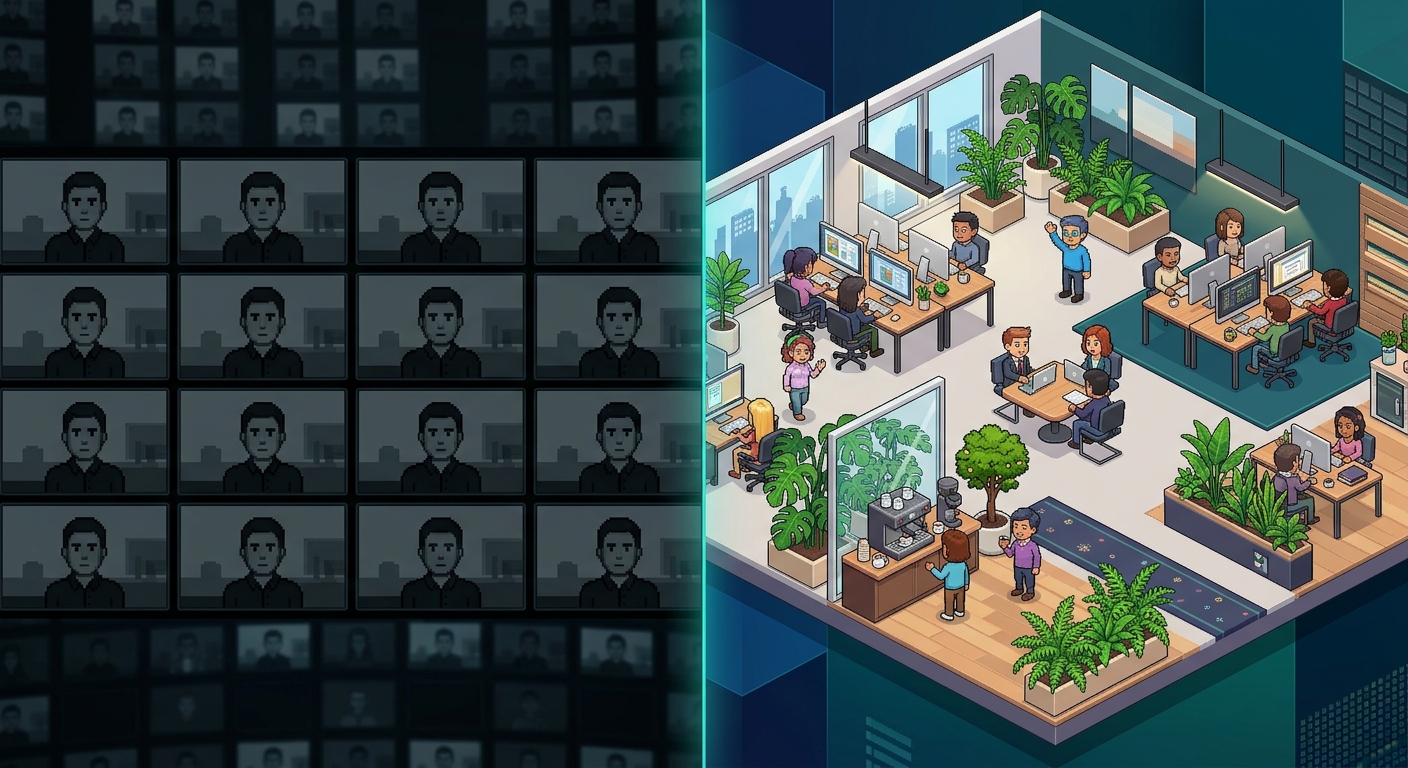
The core utility of Hurbly.ai lies in its ability to facilitate "instant conversations" that mimic walking over to a colleague's desk. While most meetings websites require a link and a calendar invite, this platform allows for fluid engagement. This approach is particularly relevant for freelancers and distributed teams who want to avoid the fatigue associated with back-to-back formal sessions. By providing a visual map of the team's current state, it complements existing meetings websites by filling the gaps between scheduled calls with meaningful, low-friction interactions.
Key Features to Look for in Meetings Websites
When evaluating different meetings websites, it is important to look for specific technical capabilities that support both synchronous and asynchronous work. A robust platform should offer more than just a video feed; it needs to provide context to the conversation.
- Real-time Status Indicators: Knowing if a colleague is ready to talk or needs privacy.
- Persistent Chat Rooms: Maintaining a history of discussions that occur before and after the live session.
- Screen Sharing and Co-browsing: Allowing multiple users to interact with the same document or software interface simultaneously.
- Automated Summarization: Using AI to extract action items and key decisions from the dialogue.
The evolution of meetings websites in 2026 has led to a greater emphasis on "presence." Tools like Hurbly.ai are at the forefront of this trend, moving away from the rigid structure of traditional meetings websites toward a more natural, "always-on" environment. This shift helps in reducing the psychological distance between remote employees, making the digital workspace feel more cohesive and less isolated.
Comparing Scheduled Interaction and Spontaneous Collaboration
| Feature | Traditional Meetings Websites | Presence-Based Platforms (Hurbly.ai) |
|---|---|---|
| Primary Goal | Structured, scheduled discussion | Spontaneous, real-time collaboration |
| User Intent | Formal reporting or decision making | Quick questions and social presence |
| Availability | Based on calendar slots | Based on real-time activity tracking |
| Friction Level | High (requires invites and links) | Low (one-click interaction) |
Choosing between different meetings websites often depends on the specific needs of the project. For a formal board review, a structured environment is necessary. However, for daily creative workflows, the rigid nature of many meetings websites can actually hinder productivity. Integrating a presence-focused solution like Hurbly.ai allows teams to maintain the benefits of meetings websites while regaining the agility of an in-person office.
Why Real-Time Visibility Matters for Distributed Teams
The reliance on meetings websites can sometimes lead to a "black box" effect, where team members have no visibility into what their colleagues are doing until a meeting starts. This lack of transparency often results in over-scheduling, as managers feel the need to book time just to check on progress. By utilizing Hurbly.ai, teams can move away from this cycle. The platform shows who is focused, which prevents unnecessary interruptions, and who is free, which encourages quick problem-solving.
Ultimately, the goal of modern meetings websites and presence tools is to support fluid collaboration. When a team can see that a colleague is "available," they are more likely to reach out for a quick two-minute clarification rather than sending an email or waiting for the next weekly sync. This immediacy accelerates project timelines and fosters a sense of belonging, proving that the right combination of meetings websites and presence technology is the foundation of successful remote work in 2026.