Efficient Mobile Meeting Management for Remote Teams in 2026
In this article

Efficient Mobile Meeting Management for Remote Teams in 2026
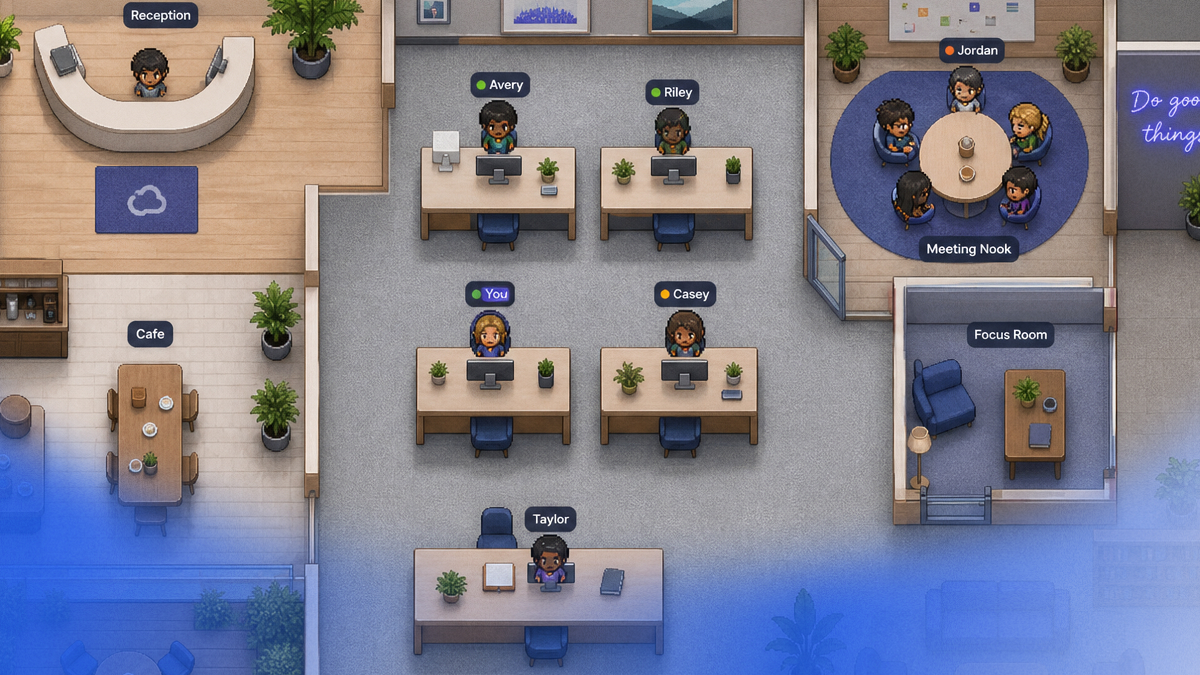
Effective mobile meeting management is a core requirement for distributed teams that need to maintain high levels of productivity without the constraints of a physical office. In 2026, the ability to coordinate team efforts from any location relies on real-time visibility and streamlined communication protocols. Instead of relying on static calendars, modern mobile meeting management involves using live presence indicators to determine when a colleague is available for a quick sync or deep work.
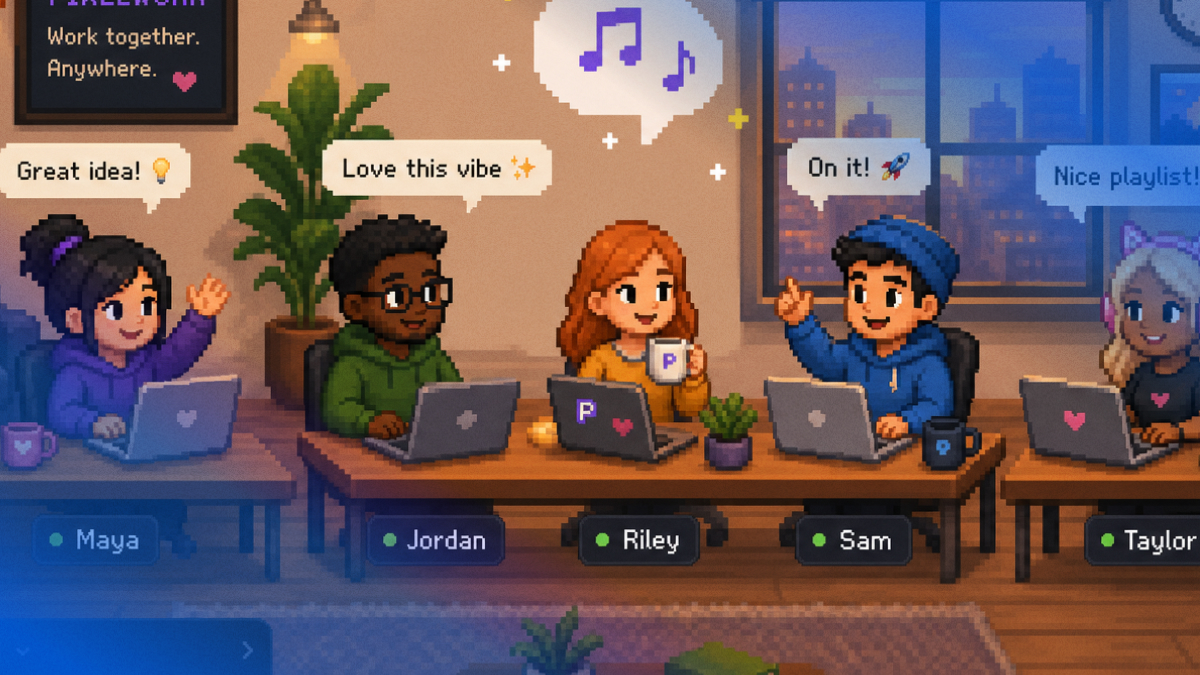
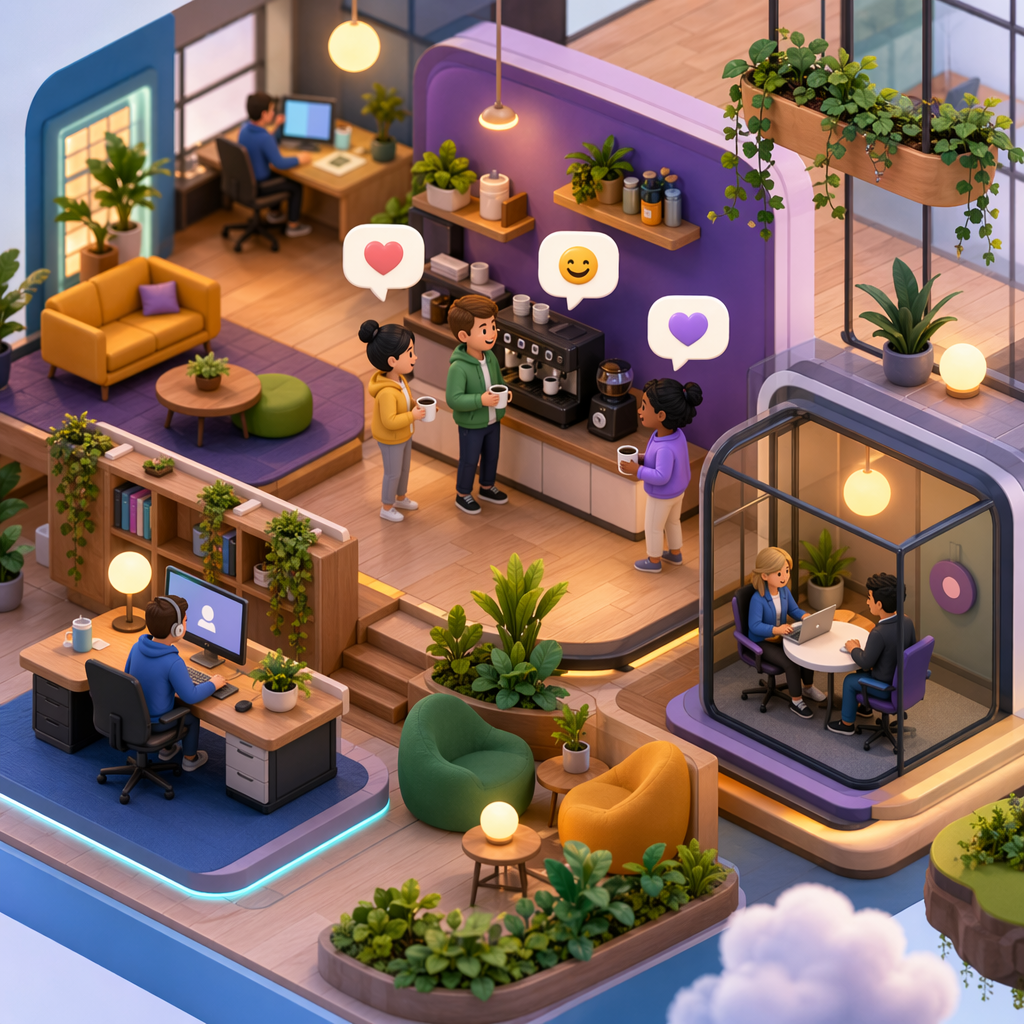
By integrating mobile meeting management into daily workflows, organizations can reduce the time spent on back-and-forth scheduling. This approach allows team members to see who is currently in a session, who is focused on a task, and who is free to talk. Tools like Hurbly.ai facilitate this by creating a digital environment that mirrors the spontaneous interactions of a physical workspace, ensuring that mobile meeting management remains fluid and intuitive.
Core Features of Modern Presence Platforms
A robust system for mobile meeting management must provide more than just a video link. It requires a comprehensive view of the team's current state to prevent interruptions and optimize collaboration. These platforms use real-time data to display status updates, which is the foundation of successful mobile meeting management. When a user can see that a teammate is "focused," they know to delay their query, whereas an "available" status invites immediate interaction.
Key components of an effective presence-based system include:
- Real-time Status Indicators: Visual cues that show if a person is active, away, or in a meeting.
- Spontaneous Audio/Video Rooms: Spaces where team members can jump in for quick discussions without formal invites.
- Focus Mode Protection: Features that signal to the team when a member is performing deep work and should not be disturbed.
- Cross-Device Synchronization: Ensuring that mobile meeting management stays consistent whether the user is on a desktop or a handheld device.
Improving Team Transparency and Coordination
The primary goal of mobile meeting management is to eliminate the friction often found in remote communication. In traditional setups, a simple question might turn into a series of emails or a thirty-minute scheduled call. With advanced mobile meeting management, these interactions become shorter and more frequent, mimicking the "tap on the shoulder" culture of a physical office. This transparency helps managers understand team capacity without micromanaging.
Implementing a strategy for mobile meeting management allows freelancers and distributed organizations to stay aligned across different time zones. When everyone’s availability is visible, the team can self-organize. For example, Hurbly.ai helps users start instant conversations based on these live statuses, making mobile meeting management a natural part of the workday rather than a bureaucratic hurdle.
Comparing Traditional Scheduling vs. Presence-Based Management
| Feature | Traditional Scheduling | Presence-Based Management |
|---|---|---|
| Primary Tool | Shared Calendars | Real-time Presence Dashboards |
| Interaction Style | Planned and Formal | Spontaneous and Informal |
| Communication Speed | Slow (requires confirmation) | Instant (based on availability) |
| Mobile Meeting Management | Manual entry and updates | Automated status detection |
| User Disturbance | High (interrupts workflow) | Low (respects focus modes) |
As shown in the table, presence-based mobile meeting management offers a more agile alternative to rigid scheduling. It prioritizes the current context of the team, allowing for a more responsive work environment.
Steps to Implement Mobile Meeting Management in Your Workflow
Transitioning to a more dynamic form of mobile meeting management requires a shift in team culture and the adoption of the right digital tools. Organizations should follow a structured process to ensure that mobile meeting management becomes a helpful asset rather than a distraction.
- Define Status Meanings: Clearly outline what each status (Available, Focused, In a Meeting) means for your specific team.
- Integrate Presence Tools: Deploy a platform like Hurbly.ai to provide the necessary visibility for mobile meeting management.
- Encourage Spontaneity: Train team members to use instant rooms for quick questions instead of scheduling long meetings.
- Monitor Engagement: Regularly check if the mobile meeting management system is reducing the number of unnecessary emails and formal calls.
- Adjust Protocols: Refine how and when team members are expected to be "visible" to maintain a healthy work-life balance.
Why Real-Time Visibility Matters for Distributed Teams
Without a physical space to gather, remote teams often feel isolated or disconnected from the "pulse" of the company. Mobile meeting management solves this by providing a digital map of the office. This visibility is crucial for maintaining social bonds and ensuring that urgent issues are addressed quickly. When mobile meeting management is handled through a centralized presence platform, the barrier to collaboration is significantly lowered.
Furthermore, mobile meeting management supports better mental health by clearly defining "off" hours. When a user logs out of their presence tool, their status clearly indicates they are no longer available, preventing the "always-on" fatigue common in remote work. By using Hurbly.ai to manage these boundaries, teams can enjoy the benefits of high-speed collaboration while protecting their individual focus time through smarter mobile meeting management.