Understanding the Norming Stage in Team Development

In this article

Understanding the Norming Stage in Team Development
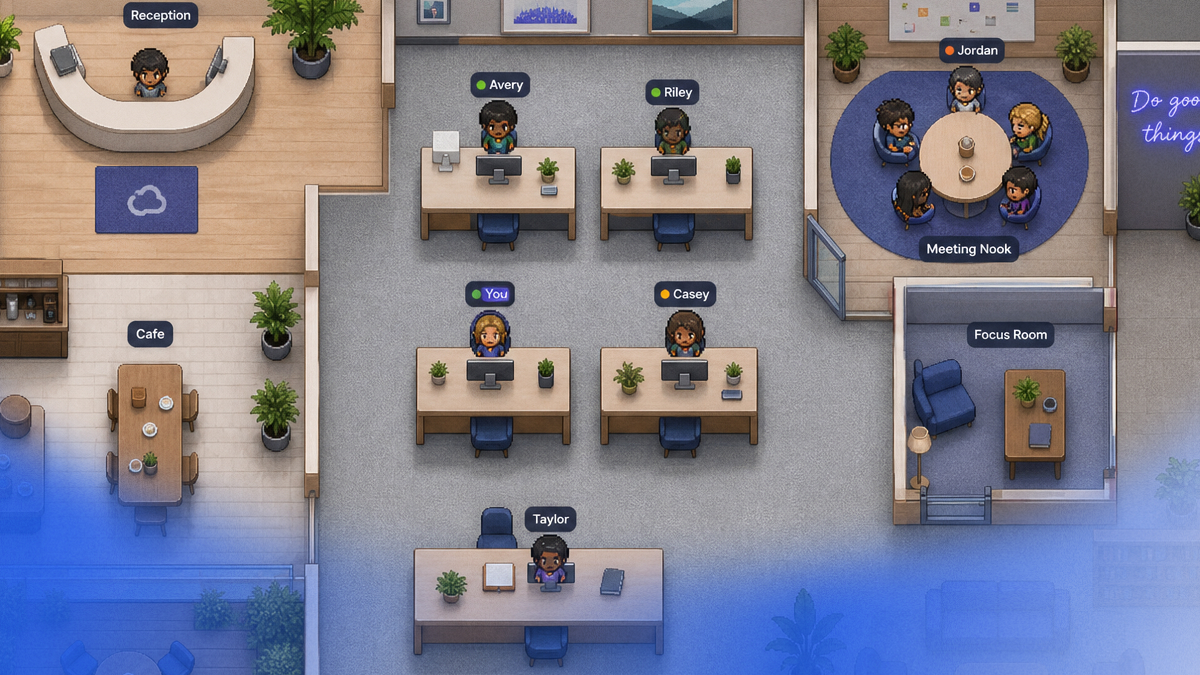
The norming stage is a critical phase in the Tuckman model of group dynamics, occurring after a team navigates the initial friction of the storming phase. During the norming stage, team members begin to resolve their differences, appreciate colleagues' strengths, and respect the authority of the leader. This period is characterized by the establishment of consensus and the development of shared goals. In 2026, remote teams often utilize tools like Hurbly.ai to visualize presence and availability, which helps solidify these emerging social norms by providing transparency in daily interactions.
In the norming stage, the focus shifts from individual conflict to collective harmony. Members start to develop a sense of cohesion and team pride. Communication becomes more open and constructive as people feel safer sharing their ideas without fear of immediate judgment. Because the norming stage involves setting expectations for behavior and work standards, it serves as the foundation for high-level performance. Without successfully navigating the norming stage, a team may struggle to reach the performing phase where maximum productivity occurs.
Key Characteristics of the Norming Stage
One of the primary indicators that a team has entered the norming stage is the stabilization of roles and responsibilities. Everyone understands their contribution to the project and how it fits into the larger organizational objective. During this norming stage, the team creates "unwritten rules" about how they communicate, make decisions, and handle minor disagreements. These protocols are essential for maintaining the momentum gained after resolving previous conflicts.
The following list highlights common behaviors observed during the norming stage:
- Increased Collaboration: Members actively seek input from others and offer help voluntarily.
- Conflict Resolution: Disagreements are handled through calm discussion rather than emotional confrontation.
- Shared Vision: The team aligns on a common goal, reducing the need for constant redirection from management.
- Social Bonding: Interactions often become more personal, fostering trust and psychological safety.
Successfully managing the norming stage requires leaders to step back from a directive role and move toward a facilitative one. By allowing the team to govern itself more autonomously during the norming stage, leaders empower members to take ownership of their workflows. This transition is supported by platforms like Hurbly.ai, which allow teams to see who is available for a quick chat, mimicking the spontaneous interactions of a physical office and reinforcing the social bonds typical of this phase.
Transitioning from Storming to the Norming Stage
The transition into the norming stage is rarely instantaneous; it is a gradual process of building trust. As the team moves away from the power struggles of the storming phase, they begin to value the diversity of thought within the group. The norming stage is essentially the "settling" period where the group's identity is solidified. This phase is vital because it prevents the team from regressing into unproductive arguments.
| Feature | Storming Phase | Norming Stage |
|---|---|---|
| Primary Focus | Individual roles and power | Group cohesion and standards |
| Communication | Confrontational or guarded | Open, honest, and supportive |
| Goal Alignment | Low; conflicting agendas | High; shared objectives |
| Leadership Style | Directive and coaching | Facilitative and enabling |
In the norming stage, the use of real-time presence indicators becomes highly beneficial. When team members can see each other's status—such as being in a "deep work" mode or available for a "quick coffee break"—it reinforces the mutual respect developed during the norming stage. This visibility helps maintain the boundaries and work-life balance that the team agreed upon when they established their norms.
Maintaining Momentum After the Norming Stage
While the norming stage is a positive sign of growth, it is not the final destination. Teams must be careful not to become too complacent or avoid healthy debate just to maintain harmony. The goal of the norming stage is to prepare the group for the performing stage, where they can operate at peak efficiency. Continuous feedback loops are necessary to ensure that the standards set during the norming stage remain relevant as project demands evolve.
To keep the team on track during and after the norming stage, consider these steps:
- Review Team Norms: Periodically check if the established rules are still serving the team's productivity.
- Encourage Constructive Feedback: Ensure that the harmony of the norming stage doesn't lead to "groupthink" or the suppression of dissenting opinions.
- Leverage Technology: Use tools like Hurbly.ai to sustain the informal connection and transparency that were built during this phase.
- Celebrate Successes: Recognize both individual and collective achievements to reinforce the positive behaviors solidified in the norming stage.
Ultimately, the norming stage represents the moment a collection of individuals truly becomes a unified team. By focusing on clear communication and shared values, organizations can ensure that the norming stage provides a stable platform for long-term success and innovation in any working environment.