Understanding and Calculating Total Office Space Cost in 2026
In this article

Understanding and Calculating Total Office Space Cost in 2026
Determining the total office space cost is a critical step for any business planning its operational budget. This figure encompasses more than just the monthly rent; it includes utilities, maintenance, insurance, and property taxes. For organizations operating in 2026, the office space cost is often influenced by geographic location, the quality of the building, and the specific amenities required to support a modern workforce. Companies must analyze these variables to ensure their physical footprint aligns with their financial goals.
Calculating the office space cost per square foot allows businesses to compare different real estate options effectively. Typically, landlords quote a base rate, but additional expenses—often referred to as "triple net" (NNN) costs—can significantly increase the final amount. Understanding how these layers of expense interact is essential for accurate forecasting. By evaluating every component of the office space cost, managers can decide whether a traditional lease, a coworking arrangement, or a hybrid model serves the company best.
Factors Influencing the Average Office Space Cost
Several market dynamics dictate the fluctuations in office space cost. Demand for premium locations in metropolitan hubs remains high, driving up prices in central business districts. Conversely, suburban areas may offer a lower office space cost, though they might lack the accessibility or networking opportunities found in city centers. The age of the building also plays a role, as newer constructions with energy-efficient systems might have a higher initial rent but lower long-term operational expenses.
Beyond location, the internal design and technology integration impact the office space cost. High-speed fiber optics, smart climate control, and ergonomic furniture are now standard requirements. When these features are bundled into a lease, the office space cost reflects the convenience of a "plug-and-play" environment. Organizations should also consider the following elements that contribute to the total expenditure:
- Property Taxes: Local government levies based on the assessed value of the real estate.
- Common Area Maintenance (CAM): Fees for cleaning and repairing shared spaces like lobbies and elevators.
- Utility Expenses: Costs for electricity, water, and heating/cooling.
- Security Services: On-site personnel or electronic monitoring systems.
Comparing Physical Real Estate and Digital Alternatives
As businesses seek to optimize their office space cost, many are turning to digital solutions to maintain team presence without the high overhead of physical buildings. While a traditional office space cost can consume a large portion of a company's revenue, virtual platforms provide a way to replicate the collaborative environment at a fraction of the price. This shift is particularly relevant for distributed teams that prioritize spontaneous interaction over a fixed physical address.
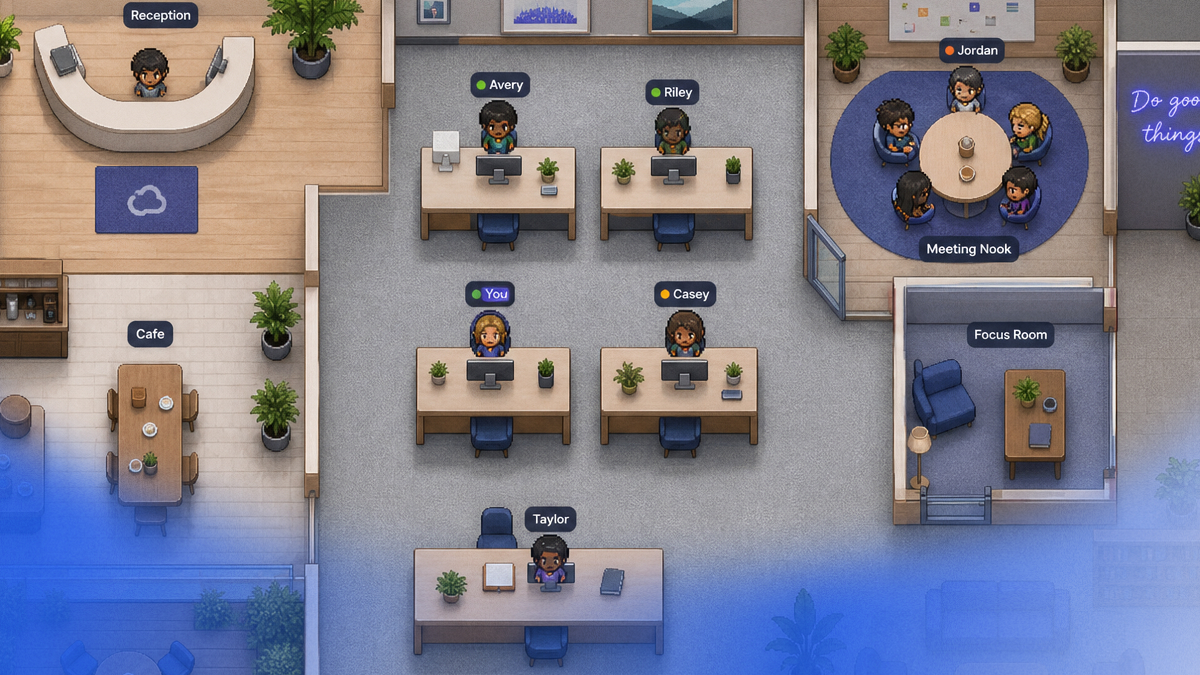
Hurbly.ai offers a virtual office platform that helps teams reduce their reliance on physical infrastructure. By providing real-time visibility into who is available or focused, it mimics the benefits of a physical room without the associated office space cost. This allows companies to reallocate their budget from real estate toward talent acquisition and product development, ensuring that team cohesion remains high even in a remote-first setting.
Strategies to Reduce Your Annual Office Space Cost
To manage a high office space cost, many organizations are adopting flexible workspace strategies. Instead of leasing large, permanent floors, companies can opt for "hot-desking" or smaller satellite offices. This approach ensures that the office space cost is only applied to the square footage actually being used on a daily basis. Monitoring occupancy rates through data analytics helps firms identify underutilized areas that can be subleased or eliminated to save money.
Another effective way to lower the office space cost is to negotiate "all-inclusive" leases where the landlord covers maintenance and utilities. This provides a predictable monthly expense and protects the business from sudden spikes in operational costs. Below is a comparison of common leasing structures and how they affect the office space cost:
| Lease Type | Impact on Office Space Cost | Responsibility |
|---|---|---|
| Full Service | Predictable and high | Landlord pays all operating expenses. |
| Triple Net (NNN) | Variable and lower base | Tenant pays rent plus taxes, insurance, and maintenance. |
| Modified Gross | Moderate | Tenant and landlord share specific operating costs. |
The Role of Technology in Modern Workspace Management
Technology plays a dual role in managing the office space cost. On one hand, smart building sensors help reduce energy consumption, directly lowering utility bills. On the other hand, communication tools like Hurbly.ai enable teams to function effectively without needing a massive physical footprint. By integrating these digital presence tools, a company can maintain a high-performance culture while keeping its office space cost at a minimum.
Ultimately, the goal for any organization in 2026 is to balance the necessity of a physical presence with the financial reality of the office space cost. Whether through aggressive lease negotiations, the adoption of hybrid work models, or the use of virtual office technology, businesses have more tools than ever to control their environment. Prioritizing transparency and real-time collaboration ensures that no matter the size of the physical office, the team remains connected and productive.