Understanding Office Virtualization for Remote Team Collaboration

In this article

Understanding Office Virtualization for Remote Team Collaboration
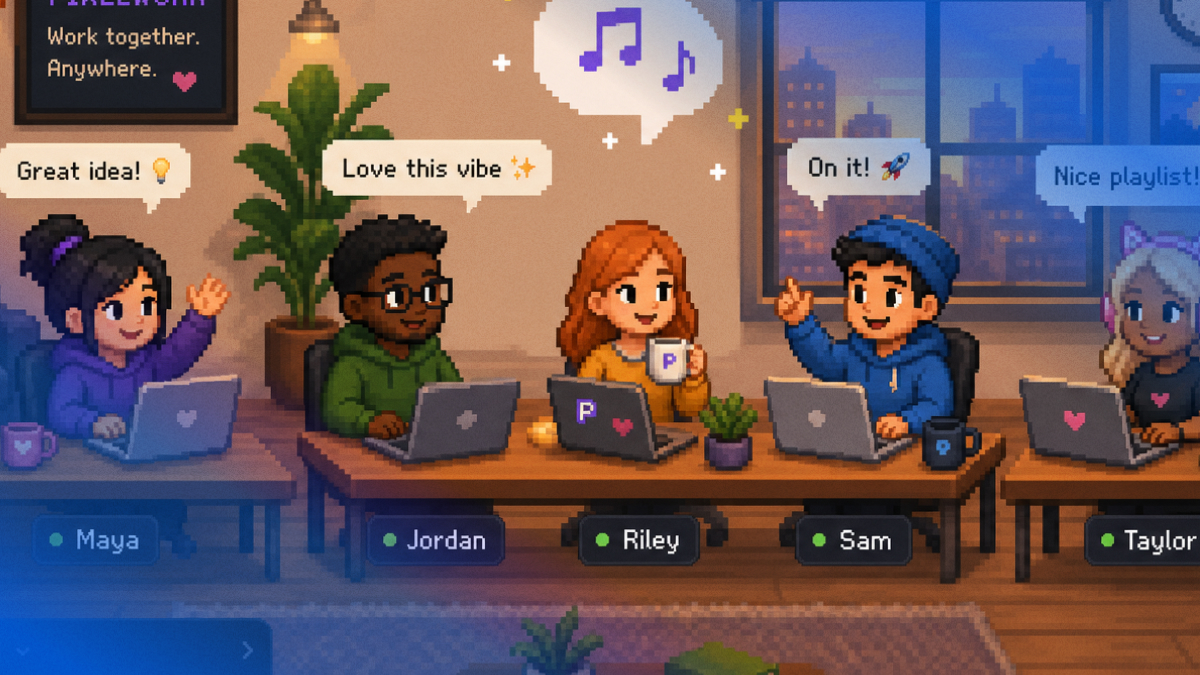
Office virtualization is a technological framework that replicates the physical presence and interaction of a traditional workspace within a digital environment. In 2026, this concept has evolved beyond simple video conferencing to include persistent digital spaces where team members coexist. By implementing office virtualization, companies can bridge the geographical gap between distributed employees, ensuring that the social fabric and spontaneous communication of a physical office are maintained. This approach focuses on real-time visibility, allowing managers and peers to understand the current state of their colleagues without intrusive check-ins.
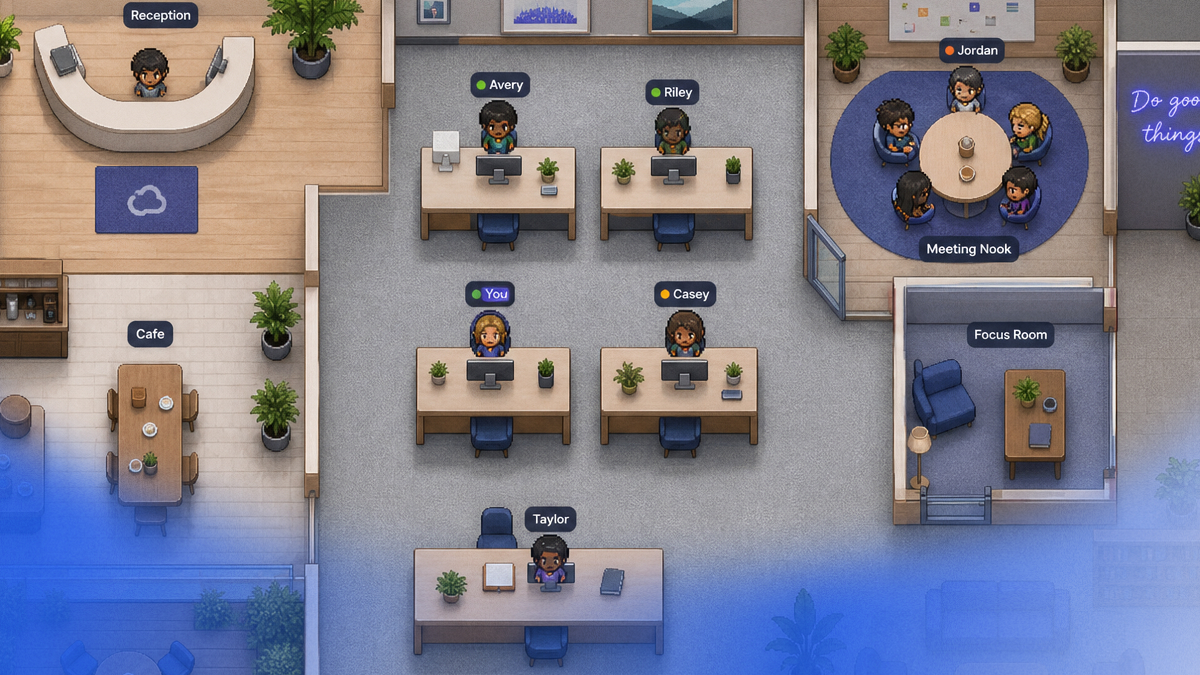
The core mechanics of office virtualization rely on presence indicators and synchronized data streams. When a team adopts office virtualization, every member is represented in a shared interface that reflects their availability. This system tracks whether an individual is actively working, participating in a meeting, or taking a break. Unlike traditional messaging apps that only show "online" or "offline" statuses, modern office virtualization platforms provide granular context, such as deep-focus modes or collaborative huddles, which helps prevent unnecessary interruptions and streamlines the daily workflow.
How Office Virtualization Enhances Team Presence
Effective office virtualization functions by creating a "live" map of human activity. Platforms like Hurbly.ai utilize this technology to show exactly who is available for a quick question and who is currently occupied. This transparency is vital for remote teams because it eliminates the "black box" effect, where employees feel isolated or unsure of when to reach out to their peers. Through office virtualization, the friction of scheduling a formal meeting for a thirty-second conversation is removed, replaced by instant, fluid interactions that mimic turning around in a physical chair to speak to a desk neighbor.
The relevance of office virtualization in the modern era stems from the need for psychological safety and social connection. When teams use office virtualization, they report lower levels of isolation and higher levels of engagement. This is achieved through:
- Real-time status updates that reflect actual work habits.
- Visual cues that indicate when a colleague is in a "flow state."
- Instant audio or video rooms that require no calendar invites.
- Shared digital zones that categorize different types of work activities.
Comparing Traditional Remote Tools and Office Virtualization
To understand why office virtualization is becoming the standard for distributed organizations, it is helpful to compare it against traditional communication methods. Standard tools often rely on asynchronous messaging or pre-scheduled calls, which can lead to communication silos. In contrast, office virtualization promotes synchronous, organic discovery of information.
| Feature | Traditional Remote Tools | Office Virtualization |
|---|---|---|
| Availability | Manual status updates (often outdated) | Real-time, automated presence tracking |
| Interaction | Scheduled meetings and long email threads | Spontaneous "walk-ups" and instant chats |
| Visibility | Hidden workflows and isolated tasks | Transparent activity and team awareness |
| Connection | Transactional and task-oriented | Relational and presence-oriented |
By integrating office virtualization into their daily stack, companies reduce the cognitive load required to manage a remote workforce. Instead of chasing updates, leaders can see the progress and availability of their team at a glance. This shift toward office virtualization ensures that the digital workspace is an active, living environment rather than a static list of chat channels.
Implementation Steps for Office Virtualization
Adopting office virtualization requires a shift in both technology and culture. The process starts with selecting a platform that prioritizes privacy while maintaining transparency. Once a tool like Hurbly.ai is selected, the team must establish norms for how they will interact within this new digital space. Office virtualization works best when everyone agrees on what different statuses mean and how to respect the boundaries set by "focus" indicators.
- Define Digital Zones: Establish specific areas within your office virtualization setup for different tasks, such as "The Quiet Zone" for deep work or "The Breakroom" for social chat.
- Integrate Workflows: Connect your office virtualization platform with existing calendars and task managers to automate status changes.
- Encourage Spontaneity: Train team members to use the instant-connect features of office virtualization instead of defaulting to scheduled video calls for minor queries.
- Monitor Engagement: Use the data provided by office virtualization to identify bottlenecks in communication or signs of team burnout.
The Future of Work Through Office Virtualization
As we look further into 2026, office virtualization is expected to become the primary interface for most knowledge workers. The goal is to create a seamless experience where the location of the employee is irrelevant to their ability to contribute and connect. Office virtualization solves the "out of sight, out of mind" problem that often plagues remote workers, ensuring that every team member has a visible seat at the table.
Furthermore, office virtualization supports a more sustainable way of working. By reducing the reliance on long, draining video meetings and replacing them with short, contextual interactions, office virtualization helps preserve mental energy. The continuous evolution of office virtualization will likely include more sophisticated AI integrations that help predict the best times for collaboration, further optimizing how teams utilize their shared digital space. Through platforms like Hurbly.ai, the promise of a truly connected, global workforce is finally being realized through the power of office virtualization.