Effective Strategies for One-on-one Meetings in Remote Environments
In this article

Effective Strategies for One-on-one Meetings in Remote Environments
One-on-one meetings serve as the primary communication channel between managers and team members, providing a dedicated space for feedback, career development, and alignment. In a remote work setting, these interactions replace the spontaneous desk-side chats found in physical offices. Because digital teams lack physical proximity, structured one-on-one meetings become essential for maintaining psychological safety and ensuring that individual contributors feel heard and supported by their leadership.
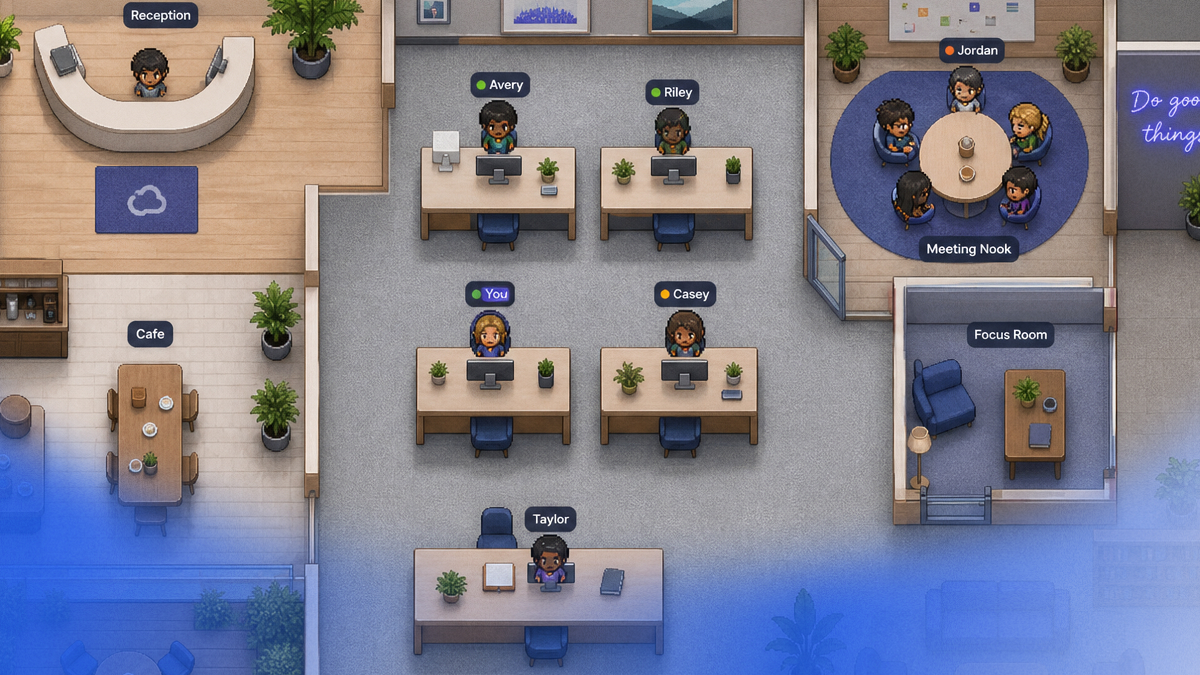
The primary function of these sessions is to build rapport and address specific challenges that might not surface in larger group settings. Effective one-on-one meetings focus on the employee's needs rather than just project status updates. By dedicating time to discuss professional growth and personal well-being, managers can identify potential burnout or roadblocks early. Utilizing tools like Hurbly.ai can help managers identify the best moments to initiate these conversations by showing real-time availability and focus states of team members.
Structuring Productive One-on-one Meetings
To maximize the value of one-on-one meetings, both participants should follow a consistent structure that encourages open dialogue. A well-organized session typically moves from informal rapport-building to specific agenda items and concludes with actionable next steps. This hierarchy ensures that the most critical topics are covered while leaving room for unexpected concerns.
- Preparation: Both parties contribute to a shared agenda at least 24 hours before the meeting starts.
- Check-in: Begin with a brief personal update to maintain a human connection in a digital workspace.
- Core Topics: Address the primary concerns, such as resource needs, feedback on recent tasks, or long-term career goals.
- Action Items: Summarize the commitments made during the session to ensure accountability.
Consistency is a vital component of successful one-on-one meetings. Whether they occur weekly or bi-weekly, maintaining a predictable schedule demonstrates that the manager prioritizes the employee's development. When schedules shift, platforms like Hurbly.ai allow teams to see when a colleague is truly free, making it easier to reschedule one-on-one meetings without the friction of endless back-and-forth messaging.
Enhancing Communication During One-on-one Meetings
Active listening is the most important skill a lead can bring to one-on-one meetings. This involves giving full attention to the speaker, asking clarifying questions, and reflecting on what was said before responding. In a remote environment, where non-verbal cues are harder to detect, verbal confirmation and explicit questions become even more necessary to avoid misunderstandings during one-on-one meetings.
| Feature | Impact on One-on-one Meetings |
|---|---|
| Video Connectivity | Enhances empathy and helps interpret non-verbal signals. |
| Shared Documentation | Provides a historical record of growth and past decisions. |
| Real-time Presence | Helps choose the right time for spontaneous or urgent sessions. |
| Private Environment | Ensures confidentiality and encourages honest feedback. |
Using a virtual office tool like Hurbly.ai complements scheduled one-on-one meetings by providing context. If a manager sees a team member has been in a "deep focus" state for several hours, they might tailor their upcoming one-on-one meetings to discuss workload management or task prioritization. This real-time visibility ensures that the conversation is relevant to the employee's current work reality.
Overcoming Common Challenges in One-on-one Meetings
One of the most frequent mistakes in one-on-one meetings is turning them into simple status reports. Status updates are better handled through asynchronous tools or short stand-ups. Instead, one-on-one meetings should be reserved for deeper discussions that require nuance, such as resolving interpersonal conflicts or exploring professional interests. If the meeting feels like a checklist of completed tasks, the value of the interaction is diminished.
Another challenge is the "zoom fatigue" associated with back-to-back video calls. To keep one-on-one meetings fresh and engaging, participants can occasionally opt for "walking meetings" via audio or use presence-based tools to find natural breaks in the day. By integrating Hurbly.ai, managers can see when an employee is naturally available, reducing the "interruption tax" and making the transition into one-on-one meetings feel more organic and less like a forced disruption of their workflow.
The Role of Feedback in One-on-one Meetings
Feedback should be a two-way street during one-on-one meetings. While managers provide guidance, they must also be open to receiving feedback regarding their own leadership style and the team's processes. This reciprocity builds trust and ensures that one-on-one meetings are a safe space for radical candor. When employees feel that their input leads to tangible changes, they become more invested in the success of these sessions.
Effective one-on-one meetings in 2026 rely on a blend of structured scheduling and the flexibility provided by modern presence technology. By focusing on the individual and utilizing tools like Hurbly.ai to foster a sense of office proximity, leaders can ensure that their one-on-one meetings remain the cornerstone of a healthy, productive, and connected remote team. Consistent, high-quality one-on-one meetings are ultimately what distinguish high-performing distributed organizations from those that struggle with isolation and misalignment.