Understanding the Evolution of Online Meeting Platforms in 2026
In this article

Understanding the Evolution of Online Meeting Platforms in 2026
Modern digital collaboration relies heavily on the efficiency of online meeting platforms to bridge the gap between remote team members. These systems have evolved from simple video calling tools into comprehensive ecosystems that manage communication, project tracking, and real-time presence. In 2026, the primary goal of these technologies is to reduce the friction caused by physical distance, allowing teams to interact as if they were in the same room.
Effective online meeting platforms function by integrating high-definition audio and video with synchronized data sharing. When a user joins a session, the platform manages bandwidth to ensure stability, while providing tools like screen sharing, digital whiteboards, and instant file transfers. This infrastructure is essential for maintaining productivity in distributed work environments where traditional office interactions are absent.
The Role of Real-Time Presence in Digital Workspaces
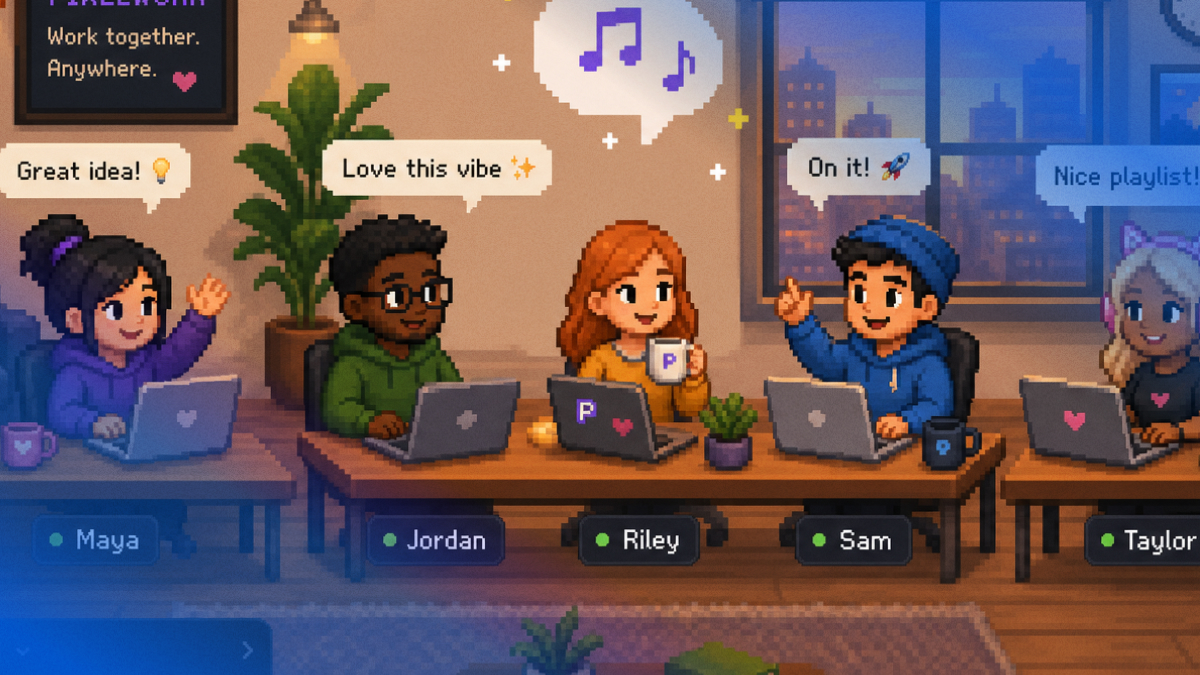
While traditional online meeting platforms focus on scheduled interactions, there is a growing need for spontaneous communication. Real-time presence technology, such as that offered by Hurbly.ai, complements these platforms by showing exactly who is available, busy, or currently in a deep-focus mode. This visibility prevents the "meeting fatigue" often associated with over-scheduling, as it allows for quick, informal chats that replace lengthy calls.
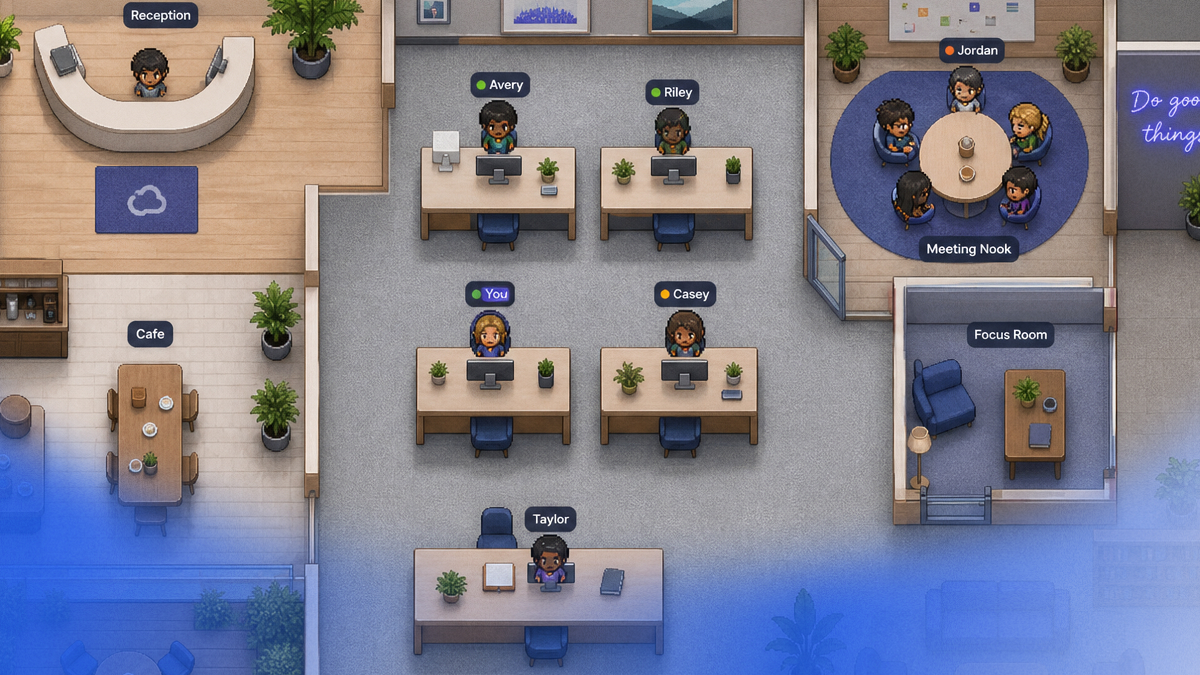
Integrating presence indicators with online meeting platforms changes how teams coordinate. Instead of sending a message and waiting for a reply, or scheduling a 30-minute block for a two-minute question, users can see a colleague's status and initiate a brief conversation. This approach replicates the natural flow of a physical office, where you might glance over at a desk before deciding to speak to a coworker.
Key Features of High-Performance Online Meeting Platforms
To support a global workforce, online meeting platforms must provide more than just a video feed. They require a suite of features that facilitate both synchronous and asynchronous work. High-quality platforms in 2026 prioritize the following technical capabilities:
- Spatial Audio and Video: Creating a sense of direction and depth to make virtual interactions feel more natural.
- Persistent Chat Rooms: Maintaining a history of discussions that occur before, during, and after the live session.
- Low-Latency Streaming: Reducing the delay between speakers to prevent accidental interruptions and communication lag.
- Automated Summarization: Using internal processing to generate action items and transcripts immediately after a session ends.
These features ensure that online meeting platforms serve as a reliable central hub for all professional interactions. When combined with tools like Hurbly.ai, which provides a persistent virtual office layout, the digital workspace becomes a continuous environment rather than a series of disconnected calls.
Comparing Communication Methods in Remote Environments
The choice between different online meeting platforms often depends on the specific needs of the organization, such as team size, security requirements, and the frequency of external versus internal calls. The following table illustrates how different communication styles utilize these technologies:
| Communication Type | Primary Goal | Tool Requirement |
|---|---|---|
| Scheduled Meetings | Formal decision making | Robust online meeting platforms with calendar integration. |
| Spontaneous Syncs | Quick problem solving | Presence-based tools like Hurbly.ai for instant access. |
| Asynchronous Updates | Information sharing | Recorded video clips or persistent messaging threads. |
| Deep Work | Individual productivity | Status indicators that signal "Do Not Disturb" to the team. |
By diversifying the use of online meeting platforms, companies can avoid the trap of "meeting overload." Using the right tool for the right task ensures that time spent in live sessions is meaningful and productive.
Improving Team Transparency and Collaboration
Transparency is a significant challenge for remote teams, but advanced online meeting platforms help solve this by creating a shared digital context. When everyone uses the same interface for communication, it becomes easier to track project progress and understand individual workloads. This visibility is crucial for managers who need to support their teams without micromanaging.
Furthermore, online meeting platforms foster a culture of inclusion. Features such as real-time translation and closed captioning allow diverse, international teams to participate equally, regardless of their native language. This accessibility is a cornerstone of modern digital collaboration, ensuring that every voice is heard during critical discussions.
Future Trends for Online Meeting Platforms
As we move through 2026, the integration of artificial intelligence within online meeting platforms is becoming more sophisticated. AI assistants now manage scheduling, suggest relevant documents during live discussions, and even analyze the sentiment of a meeting to provide feedback on team morale. These advancements make the virtual environment more intuitive and less demanding on the user's cognitive load.
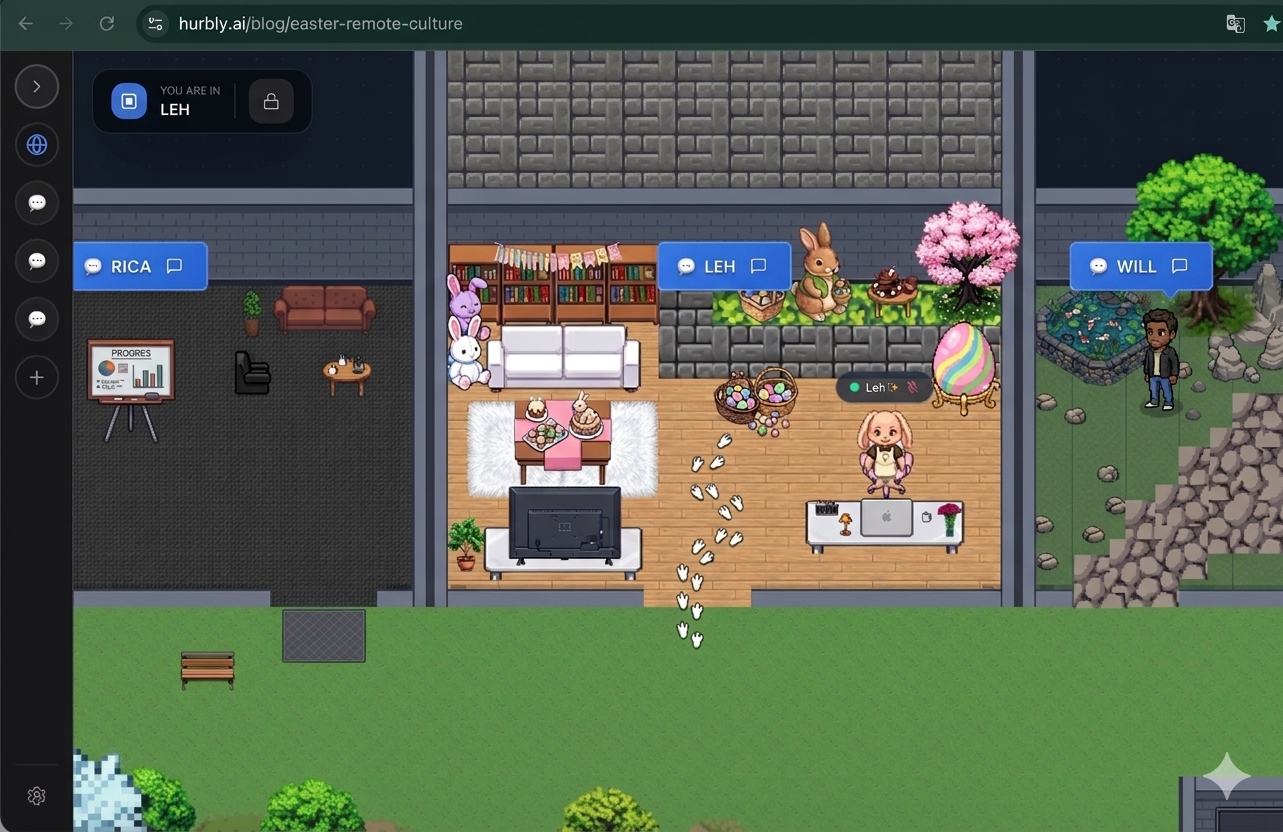
Another major trend is the shift toward "always-on" or "persistent" virtual spaces. Instead of opening online meeting platforms only when a call is scheduled, teams are keeping virtual offices like Hurbly.ai open throughout the day. This creates a continuous connection, making it easy to transition from solo work to a collaborative session. These hybrid environments represent the next step in the evolution of online meeting platforms, focusing on the human element of presence and availability.
Selecting the Right Infrastructure for Your Team
Choosing between various online meeting platforms requires an assessment of your team's specific workflow. If your team relies on high-velocity communication and frequent pivots, you need a system that supports instant, frictionless transitions. For teams focused on long-term projects with fewer interruptions, a platform that emphasizes deep-focus periods and scheduled check-ins may be more appropriate.
Ultimately, the most successful organizations utilize online meeting platforms in conjunction with presence-aware software. This combination ensures that while the platforms provide the venue for the meeting, tools like Hurbly.ai provide the context of who is ready to meet. This synergy maximizes efficiency and keeps remote teams synchronized across different time zones and locations.