Understanding the Benefits and Implementation of Online Timeclock Systems
In this article

Understanding the Benefits and Implementation of Online Timeclock Systems
Modern businesses in 2026 rely heavily on precise data to manage remote and hybrid workforces. Online timeclock systems serve as the foundational infrastructure for tracking labor hours, ensuring that employees are compensated accurately for their contributions. These digital tools replace manual spreadsheets and physical punch cards with cloud-based interfaces accessible from any device. By centralizing attendance data, online timeclock systems reduce the administrative burden on HR departments and minimize human error in payroll processing.
The primary function of online timeclock systems is to record the exact start and end times of work sessions. When an employee logs into the platform, the system captures a timestamp and, in many cases, the geographical location or IP address to verify the work site. This level of detail is essential for maintaining compliance with labor laws and internal company policies. Furthermore, high-quality online timeclock systems provide managers with real-time dashboards to monitor who is currently active, helping to balance workloads across the team.
How Online Timeclock Systems Improve Remote Team Transparency
In a distributed work environment, visibility is often a challenge. Integrating online timeclock systems allows organizations to bridge the gap between physical distance and operational awareness. These systems provide a clear record of availability, which is crucial for project planning and deadline management. When teams use online timeclock systems, they create a transparent culture where every member's time is respected and accounted for, leading to higher levels of trust between management and staff.
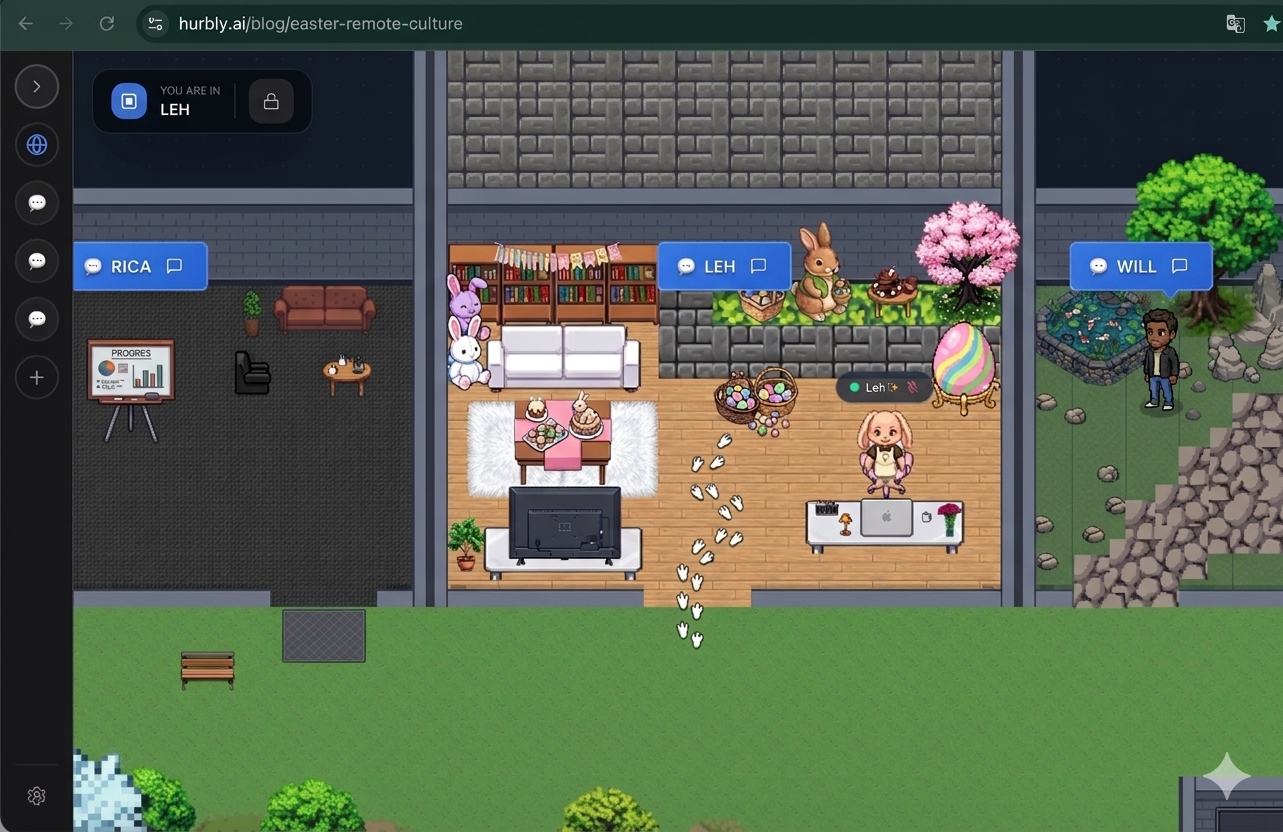
To further enhance this transparency, platforms like Hurbly.ai complement online timeclock systems by providing a visual layer of presence. While a timeclock records hours for payroll, a virtual office platform shows who is focused or available for a quick chat in real-time. Combining the structured data from online timeclock systems with real-time presence indicators allows remote teams to replicate the spontaneous interactions of a physical office while maintaining rigorous professional documentation.
Key Features to Look for in Online Timeclock Systems
Selecting the right software requires an understanding of specific technical capabilities. Not all online timeclock systems are built with the same level of sophistication. When evaluating options, consider the following essential features:
- Automated Reporting: The ability to generate weekly or monthly summaries of hours worked without manual data entry.
- Geofencing and Location Tracking: Features that ensure employees are checking in from authorized work zones.
- Integration Capabilities: The software should easily sync with payroll and accounting software to streamline financial workflows.
- Mobile Accessibility: Dedicated apps that allow field workers to use online timeclock systems on the go.
- Overtime Alerts: Notifications sent to managers when an employee is approaching their maximum hours for a pay period.
Effective online timeclock systems also prioritize the user experience. If the interface is too complex, employees may forget to log their hours, leading to gaps in data. Simple, one-click "clock-in" mechanisms are preferred to ensure high adoption rates across the organization.
Steps to Implement Online Timeclock Systems Successfully
Transitioning from a legacy method to modern online timeclock systems requires a structured approach to ensure data integrity and employee buy-in. Following a logical sequence helps mitigate technical friction:
- Needs Assessment: Determine the number of users and the specific reporting requirements of your HR department.
- Policy Definition: Establish clear rules regarding when employees should log in and how breaks are handled within the online timeclock systems.
- Pilot Testing: Run the software with a small group to identify any configuration issues before a full company rollout.
- Staff Training: Conduct sessions to explain how to use the online timeclock systems and where to go for technical support.
- Data Migration: Import existing employee records into the new system to ensure continuity in record-keeping.
Once the online timeclock systems are active, it is important to review the data regularly. This allows managers to identify patterns, such as consistent overtime or frequent absenteeism, which may indicate a need for resource adjustments or wellness interventions.
Comparing Online Timeclock Systems with Manual Tracking
The shift toward digital solutions is driven by the significant disadvantages of manual methods. The following table illustrates why most modern firms have migrated to online timeclock systems:
| Feature | Manual Paper/Spreadsheets | Online Timeclock Systems |
|---|---|---|
| Accuracy | High risk of human error and "buddy punching." | Precise digital timestamps and verification. |
| Accessibility | Limited to physical location or specific files. | Cloud-based access from any location. |
| Reporting | Requires hours of manual calculation. | Instant, automated report generation. |
| Compliance | Difficult to audit and prone to lost records. | Secure, searchable digital archives for audits. |
| Cost | High administrative labor costs. | Low monthly subscription fees per user. |
By utilizing online timeclock systems, companies save significant time that was previously spent on data entry and verification. This efficiency allows the team to focus on core business objectives rather than administrative upkeep.
Integration of Presence and Time Tracking
While online timeclock systems are vital for legal and financial reasons, they are often used alongside tools that manage the "human" side of work. For example, Hurbly.ai helps teams understand the context behind the hours logged in online timeclock systems. If a system shows an employee is "clocked in," a presence platform can specify if they are in a deep-focus mode or open to a quick collaboration. This synergy between online timeclock systems and presence technology creates a comprehensive digital workspace that supports both productivity and employee well-being in 2026.

