Understanding People Analytics for Remote Team Management in 2026
In this article

Understanding People Analytics for Remote Team Management in 2026
The integration of people analytics into modern management practices has transformed how organizations understand workforce dynamics. By collecting and examining data related to employee behavior, performance, and engagement, companies can make informed decisions rather than relying on intuition. In a digital work environment, people analytics serves as the foundation for measuring productivity and identifying patterns that lead to team success or burnout. This data-driven approach allows managers to visualize how work actually happens across distributed networks.
Effective people analytics involves gathering metrics from various digital touchpoints. This includes communication frequency, project completion rates, and time spent in collaborative versus focused work states. When organizations leverage people analytics, they gain a clearer picture of organizational health, enabling them to address bottlenecks before they impact the bottom line. The goal is to create a transparent ecosystem where data supports the human element of work, ensuring that every team member has the resources and environment needed to thrive.
Enhancing Real-Time Collaboration Through Data Insights
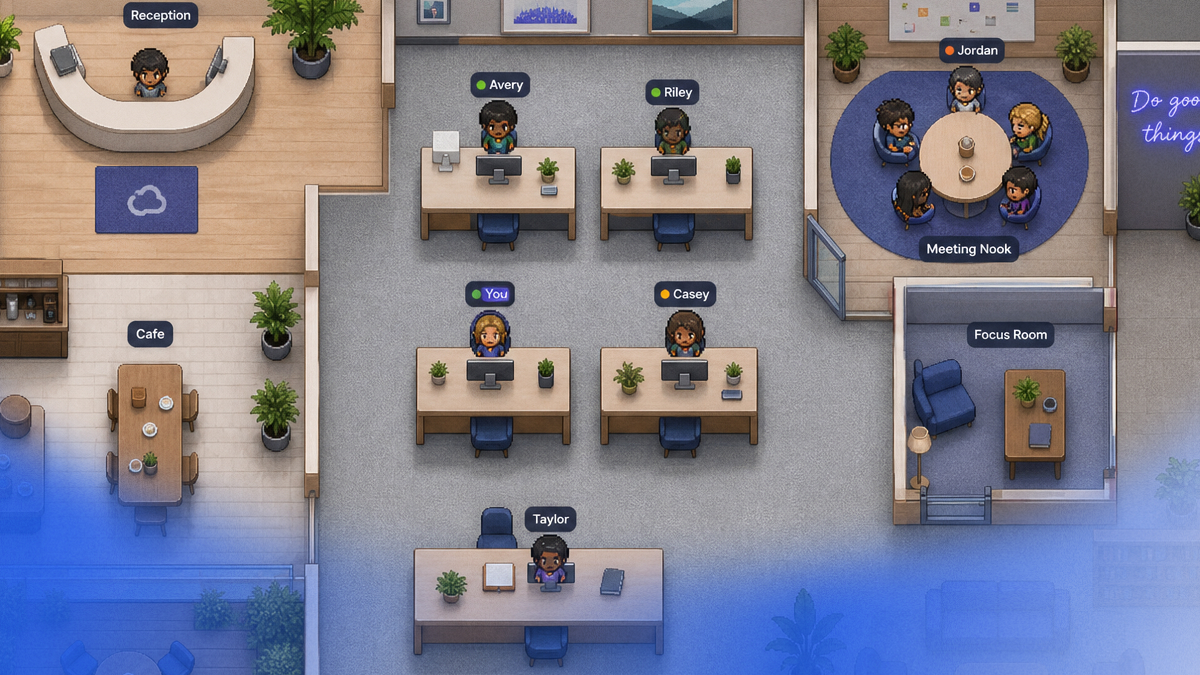
Real-time visibility is a critical component of modern people analytics. Platforms like Hurbly.ai provide the necessary infrastructure to track team presence and availability instantly. By observing real-time status indicators—such as who is currently in a meeting, who is deeply focused, and who is available for a quick chat—managers can apply people analytics to optimize daily workflows. This immediate data helps in reducing the friction often found in remote communication, where "pinging" someone can feel intrusive without knowing their current context.
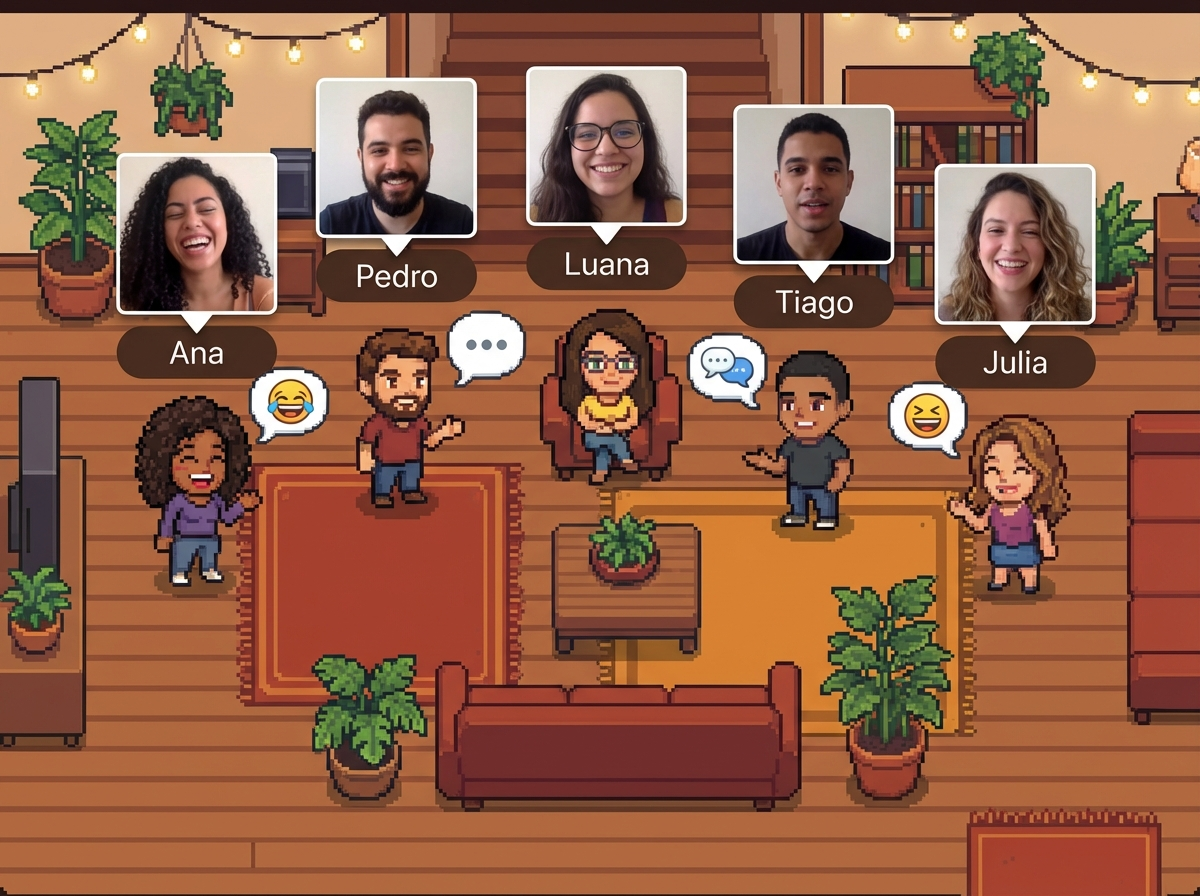
Using people analytics to monitor presence allows teams to replicate the spontaneous interactions of a physical office. Instead of relying on rigid, scheduled video conferences, teams can use live data to find the right moment for a conversation. This fluid interaction model, supported by people analytics, ensures that collaboration happens naturally. The following table illustrates how data-driven presence differs from traditional remote monitoring:
| Feature | Traditional Monitoring | Data-Driven Presence (People Analytics) |
|---|---|---|
| Focus | Surveillance and activity logs | Availability and collaboration readiness |
| Goal | Ensuring hours worked | Facilitating spontaneous interaction |
| Impact | Increases employee stress | Reduces communication friction |
| Insight | Static reports | Real-time behavioral patterns |
The Role of People Analytics in Employee Well-being
One of the most significant benefits of people analytics in 2026 is its ability to protect employee mental health. By analyzing patterns of "always-on" behavior, people analytics can alert leadership when individuals are at risk of exhaustion. For example, if data shows a team member is consistently active across multiple time zones without sufficient breaks, management can intervene. This proactive use of people analytics shifts the focus from mere output to sustainable performance.
To implement a healthy strategy using people analytics, organizations should follow these steps:
- Define clear metrics for work-life balance and focus time.
- Use tools like Hurbly.ai to visualize these metrics in real-time.
- Review people analytics reports weekly to identify over-extended departments.
- Adjust workloads based on data-driven insights rather than subjective feedback.
- Foster a culture where data is used to support, not punish, the workforce.
Optimizing Distributed Teams with Behavioral Data
Distributed teams face unique challenges regarding cohesion and information flow. People analytics provides the objective lens needed to evaluate how well these teams are integrated. By mapping communication networks, people analytics reveals whether certain team members are becoming isolated or if information silos are forming. Addressing these gaps is essential for maintaining a unified company culture regardless of physical location.
When companies prioritize people analytics, they can refine their hiring and retention strategies. Understanding the traits of high-performing remote employees through people analytics allows for better candidate matching in future recruitment cycles. Furthermore, by tracking engagement levels, people analytics helps in predicting turnover, giving HR departments the opportunity to improve the employee experience before talent decides to leave.
Future Trends in People Analytics and Virtual Presence
As we move through 2026, the sophistication of people analytics continues to grow. The focus has shifted from simple time-tracking to complex behavioral modeling. Organizations are now using people analytics to understand the "pulse" of their digital office, ensuring that the virtual environment remains as productive and connected as any physical space. Tools that facilitate this, such as Hurbly.ai, are becoming central to the tech stack of forward-thinking companies.
The integration of people analytics into daily operations is no longer optional for competitive businesses. It provides a roadmap for continuous improvement, allowing for a more agile response to market changes. By grounding management decisions in the solid evidence provided by people analytics, leaders can build more resilient, transparent, and efficient organizations that are prepared for the future of work.