Identifying and Preventing Phishy Emails in Remote Work Environments
In this article

Identifying and Preventing Phishy Emails in Remote Work Environments
Phishy emails are fraudulent messages designed to trick recipients into revealing sensitive information, such as login credentials, financial data, or personal identification. These deceptive communications often mimic the appearance of legitimate organizations, including banks, government agencies, or even internal company departments. In 2026, the sophistication of phishy emails has increased, making it essential for remote teams to understand how these threats operate and how to neutralize them before they cause data breaches.
The primary goal of phishy emails is to create a sense of urgency or fear, prompting the user to act without thinking. For example, a message might claim that an account has been compromised or that a payment is overdue. When a user interacts with phishy emails by clicking a malicious link or downloading an attachment, they may inadvertently install malware or provide their credentials to a fake login page. Recognizing the psychological triggers used in phishy emails is the first step toward building a resilient digital defense.
Common Characteristics of Modern Phishy Emails
To protect your organization, it is vital to identify the technical and visual markers of phishy emails. While some are easy to spot due to poor grammar, many modern phishy emails use advanced AI to replicate professional brand voices perfectly. However, certain inconsistencies usually remain. By scrutinizing the sender's email address, users can often find subtle misspellings or unusual domains that indicate the message is among the many phishy emails circulating daily.
Another hallmark of phishy emails is the use of masked URLs. If you hover your mouse over a link in one of these phishy emails, the actual destination address often differs from what is displayed in the text. Furthermore, phishy emails frequently request sensitive information through insecure channels. Legitimate companies will rarely ask for passwords or credit card numbers via email. Understanding these patterns helps remote workers maintain a secure environment, much like the transparency provided by Hurbly.ai, which helps teams stay connected and aware of their surroundings.
Technical Strategies to Filter Phishy Emails
Organizations can implement several technical layers to reduce the volume of phishy emails reaching employee inboxes. These strategies involve configuring mail servers to verify the authenticity of incoming messages. By using specific protocols, IT departments can automatically flag or block phishy emails before they are ever opened.
| Security Protocol | Function in Preventing Phishy Emails |
|---|---|
| SPF (Sender Policy Framework) | Specifies which mail servers are authorized to send email on behalf of a domain. |
| DKIM (DomainKeys Identified Mail) | Adds a digital signature to emails, ensuring the content hasn't been altered. |
| DMARC | Uses SPF and DKIM to provide instructions to the receiving server on how to handle phishy emails. |
| MFA (Multi-Factor Authentication) | Acts as a second line of defense if a user accidentally engages with phishy emails. |
Implementing these protocols significantly lowers the success rate of phishy emails. Even if one of the phishy emails bypasses the initial filters, MFA ensures that stolen credentials alone are not enough for an attacker to gain access to company systems.
Best Practices for Handling Suspicious Communications
When a team member suspects they have received one of many phishy emails, they should follow a standardized response protocol. First, they should avoid clicking any links or opening attachments. Instead of replying to phishy emails, the employee should report the message to their IT or security department using an official reporting tool. This allows the organization to analyze the threat and block similar phishy emails for the rest of the team.
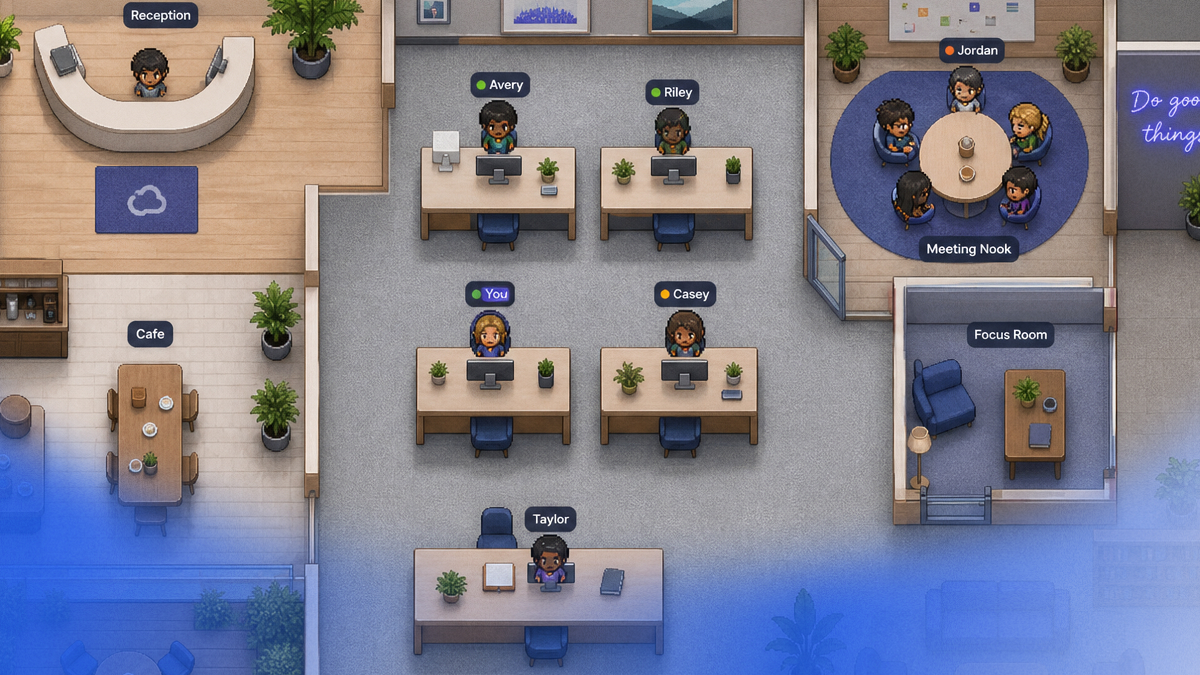
Consistent communication is key to preventing the spread of threats. In a digital workspace, knowing who is available to help can speed up the verification of suspicious requests. Using tools like Hurbly.ai allows team members to see who is active and start a quick conversation to verify if an internal request is legitimate or if it originated from phishy emails. This real-time visibility reduces the isolation that often makes remote workers more vulnerable to social engineering tactics found in phishy emails.
How Remote Teams Can Stay Vigilant in 2026
Education remains the most effective tool against phishy emails. Regular security awareness training helps employees stay updated on the latest tactics used by cybercriminals. Since phishy emails evolve constantly, quarterly workshops or simulated phishing tests can keep the team sharp. These simulations help identify which team members might need more support in recognizing phishy emails in a controlled environment.
Finally, fostering a culture of transparency is essential. When employees feel comfortable reporting that they accidentally clicked on one of many phishy emails, the security team can react faster to contain the potential damage. Combining technical safeguards with a connected, informed workforce is the best way to ensure that phishy emails do not compromise the integrity of a remote organization.