Maximizing Productivity Through Real-Time Virtual Office Integration
In this article

Maximizing Productivity Through Real-Time Virtual Office Integration
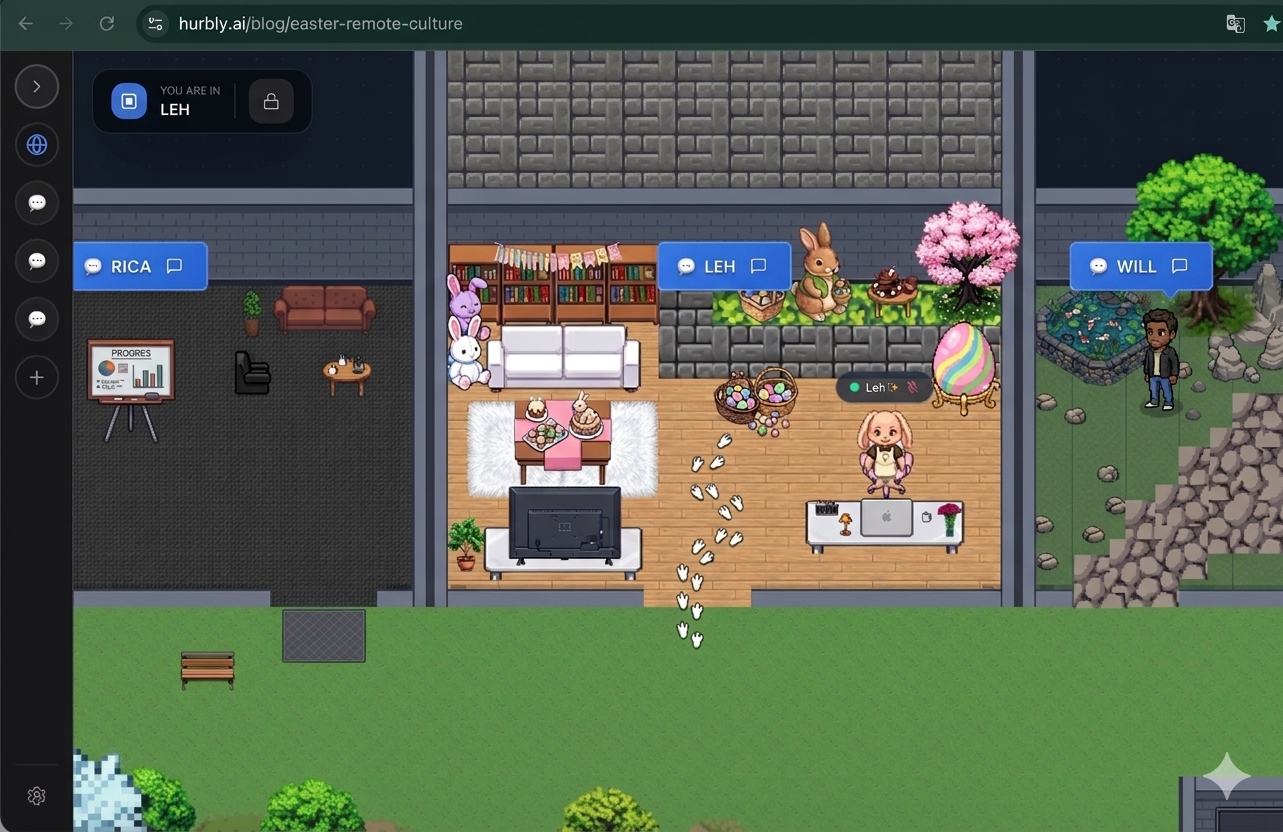
Effective team collaboration in 2026 requires more than just standard messaging apps; it demands a spatial awareness that traditional tools lack. A virtual office serves as a digital layer over remote work, providing visual cues about who is currently working, who is in a deep focus session, and who is available for a quick chat. By simulating a physical environment, teams can regain the spontaneous interactions that often spark creative problem-solving and high Productivity levels without the friction of scheduling formal meetings.
This technology works by tracking active status and presence indicators in real-time. When a team member enters the digital workspace, their avatar or status icon becomes visible to others. This visibility is essential for maintaining high Productivity because it eliminates the guesswork involved in remote communication. Instead of sending a message and waiting hours for a reply, users can see exactly when a colleague is free, leading to faster decision-making and more efficient workflows across different time zones.
How Virtual Presence Enhances Team Productivity
The core functionality of a virtual office revolves around presence transparency. In a standard remote setup, "presence" is often binary—either online or offline. However, advanced platforms like Hurbly.ai offer nuanced states such as "Deep Work," "In a Meeting," or "Available for Coffee." This granular detail protects a teammate's Productivity by signaling when they should not be interrupted, while simultaneously encouraging quick huddles during their natural breaks.
By using these indicators, teams can reduce "meeting fatigue," a common drain on overall Productivity. When you can see that two colleagues are already talking, you can join the conversation instantly if relevant, or wait until they finish. This fluid movement between tasks and conversations mimics the natural flow of a physical office, ensuring that communication remains organic and purposeful rather than forced and disruptive.
Core Features for Maintaining High Productivity
To achieve optimal results in a distributed environment, certain features are necessary to bridge the gap between physical and digital spaces. These tools are designed to streamline operations and keep the focus on output:
- Real-Time Status Indicators: Visual signals that show current availability, helping to manage expectations and boost individual Productivity.
- Instant Audio Zones: Areas where team members can talk immediately upon entering, removing the need for generating and sharing meeting links.
- Focus Mode Protections: Automated settings that mute notifications and signal to others that a user is in a high Productivity phase.
- Spatial Audio and Visuals: A layout that allows users to see "where" their teammates are in the virtual building, providing a sense of belonging and shared purpose.
Comparing Communication Methods and Their Impact on Productivity
| Communication Type | Speed of Interaction | Impact on Focus | Effect on Productivity |
|---|---|---|---|
| Scheduled Video Calls | Slow (Requires planning) | High Interruption | Low (Due to context switching) |
| Async Messaging | Medium (Delayed response) | Low Interruption | Medium (Can cause bottlenecks) |
| Virtual Office (Real-time) | Fast (Instant access) | Managed Interruption | High (Promotes fluid workflow) |
Choosing the right method depends on the task at hand. However, for daily operations, the instant nature of a virtual office generally yields the best Productivity outcomes. It allows for the "quick question" that would otherwise turn into a 30-minute calendar invite, saving hours of collective time every week.
Implementing Virtual Workspaces for Long-Term Productivity
Transitioning to a virtual office platform requires a shift in team culture. It is not about surveillance, but about accessibility and reducing the isolation often felt in remote work. When employees feel connected to their peers, their engagement increases, which is a primary driver of sustained Productivity. Managers can use these platforms to check the "pulse" of the team without micromanaging, simply by observing the natural ebb and flow of the digital floor.
To successfully integrate these tools, teams should define clear protocols for different status levels. For example, a "red" status might mean "do not disturb unless it is an emergency," while a "green" status encourages social interaction. Setting these boundaries ensures that the tool serves to enhance Productivity rather than becoming a source of distraction. As teams become more comfortable with spatial presence, the reliance on cluttered inboxes decreases significantly.
Why Real-Time Visibility is Relevant in 2026
In the current professional landscape, the ability to pivot quickly is a competitive advantage. Distributed teams that utilize platforms like Hurbly.ai find that their internal Productivity remains stable regardless of where individual members are located. The platform acts as a central hub that anchors the team's daily activities, providing a consistent environment for collaboration.
Ultimately, the goal of improving Productivity through virtual presence is to make remote work feel less "remote." By removing the digital barriers to communication, companies can foster a more inclusive and energetic work culture. This leads to better retention, higher quality of work, and a more synchronized team that can meet challenges with collective speed and focus. Continuous improvement in Productivity is the natural result of a well-connected and transparent digital workspace.

