Enhancing Remote Collaboration with Modern Productivity Apps

In this article

Enhancing Remote Collaboration with Modern Productivity Apps
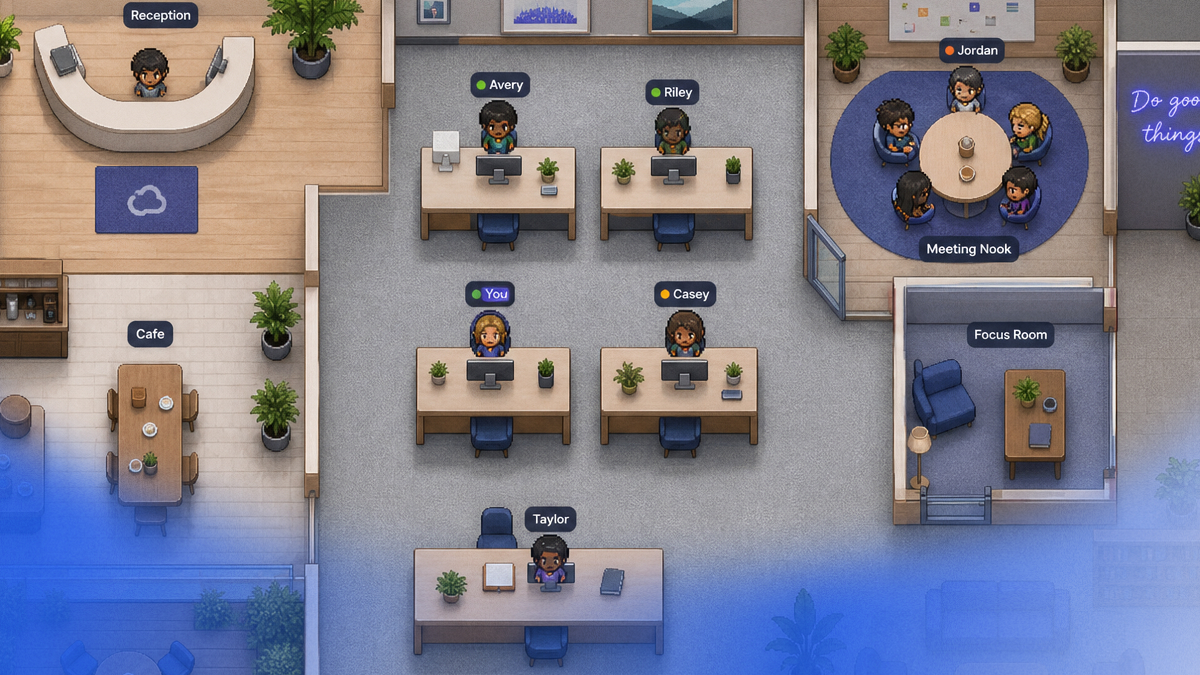
The digital workspace in 2026 relies heavily on how teams manage their time and availability. Traditional communication methods often fail to capture the nuance of a physical office, leading to "meeting fatigue" and fragmented workflows. To solve this, developers have created specific productivity apps designed to bridge the gap between remote isolation and collaborative efficiency. These tools focus on real-time presence, allowing team members to see who is active, who is deeply focused on a task, and who is currently occupied in a discussion.
By integrating these productivity apps into daily routines, organizations can reduce the reliance on long, scheduled video conferences. Instead of waiting for a calendar invite, users can engage in spontaneous interactions that mimic walking over to a colleague's desk. This shift in communication dynamics is essential for maintaining momentum in fast-paced environments where quick decisions are more valuable than lengthy, formal reports.
Understanding Real-Time Presence and Digital Offices
A digital office platform serves as a central hub for distributed teams. Unlike standard messaging platforms, these productivity apps provide a visual map of the organization. This visibility is crucial for understanding the social and professional context of the team. When you use Hurbly.ai, for instance, the platform utilizes real-time technology to display presence indicators. These indicators inform you if a coworker is available for a quick question or if they are in "deep work" mode, which helps prevent unnecessary interruptions.
The core functionality of these productivity apps involves tracking status updates automatically or through simple user inputs. This data is then translated into a user-friendly interface where avatars or status icons represent each person's current state. This transparency ensures that everyone stays aligned without the need for constant "Are you there?" messages. Consequently, productivity apps that prioritize presence help in building a culture of trust and autonomy within remote and hybrid teams.
Key Benefits of Using Presence-Based Productivity Apps
Implementing specialized productivity apps offers several concrete advantages for modern businesses. By focusing on visibility and instant access, these tools streamline internal operations in the following ways:
- Reduction in Friction: Eliminating the need to schedule every single interaction saves time and reduces administrative overhead.
- Improved Transparency: Everyone knows what is happening across the team, which minimizes silos and keeps remote workers feeling connected.
- Enhanced Focus: Because these productivity apps signal when a user is busy, team members are less likely to be interrupted during critical tasks.
- Spontaneous Collaboration: The ability to start instant conversations fosters creativity and rapid problem-solving that scheduled meetings often stifle.
Furthermore, these productivity apps are highly beneficial for freelancers and distributed organizations operating across multiple time zones. Having a visual reference of who is online at any given moment helps in coordinating tasks more effectively. As teams grow, the scalability of these productivity apps ensures that the "office feel" remains intact regardless of the number of employees or their physical locations.
How Productivity Apps Facilitate Fluid Communication
The transition from rigid scheduling to fluid communication is a hallmark of high-performing teams in 2026. Productivity apps play a vital role in this transition by providing the infrastructure for "adhoc" engagement. Instead of a text-heavy environment, these tools often use audio or video "rooms" that users can join or leave instantly. This creates a low-pressure environment for sharing ideas and getting immediate feedback.
| Feature | Impact on Teamwork | Role of Productivity Apps |
|---|---|---|
| Status Indicators | Prevents workflow interruptions | High visibility of availability |
| Instant Audio/Video | Speeds up decision making | Reduces "meeting bloat" |
| Visual Office Map | Increases sense of belonging | Replicates physical presence |
| Deep Work Modes | Protects cognitive resources | Manages team expectations |
When choosing between various productivity apps, it is important to look for features that support both synchronous and asynchronous work. The goal is to create a balanced environment where communication is easy but not intrusive. By leveraging Hurbly.ai, teams can achieve this balance, ensuring that the digital workspace remains a productive and healthy environment for all members.
Choosing the Right Tools for Distributed Teams
Selecting the right productivity apps requires an understanding of your team's specific communication hurdles. If your team suffers from too many emails or "ping-pong" messaging, a presence-based solution is often the best remedy. These productivity apps are designed to make the virtual experience feel more human and less transactional. By seeing a colleague's status, you gain the context needed to communicate more empathetically and effectively.
In summary, the evolution of productivity apps has moved beyond simple task lists and into the realm of total team presence. These platforms are now the backbone of remote corporate culture. By integrating a solution like Hurbly.ai, companies can ensure they are using the most effective productivity apps to stay competitive, maintain high morale, and drive consistent results in an increasingly digital world.