Strategies to Define and Achieve Your Professional Goals in 2026
In this article

Strategies to Define and Achieve Your Professional Goals in 2026
Defining clear professional goals is the foundation of a successful career trajectory. In 2026, the landscape of work has shifted toward high-efficiency digital environments where clarity of purpose is essential. To establish effective professional goals, an individual must first assess their current skills and identify the specific gap between their present reality and their desired future position. This process involves more than just dreaming of a promotion; it requires a structured analysis of market demands and personal capabilities.
Setting professional goals helps professionals maintain focus amidst the distractions of a hyper-connected world. When you have a roadmap, every project you undertake and every skill you learn serves a greater purpose. This strategic alignment ensures that daily tasks contribute directly to long-term professional goals, preventing the feeling of stagnation that often occurs in repetitive roles. By documenting these objectives, you create a tangible benchmark for measuring progress over months and years.
The Role of Real-Time Collaboration in Career Growth
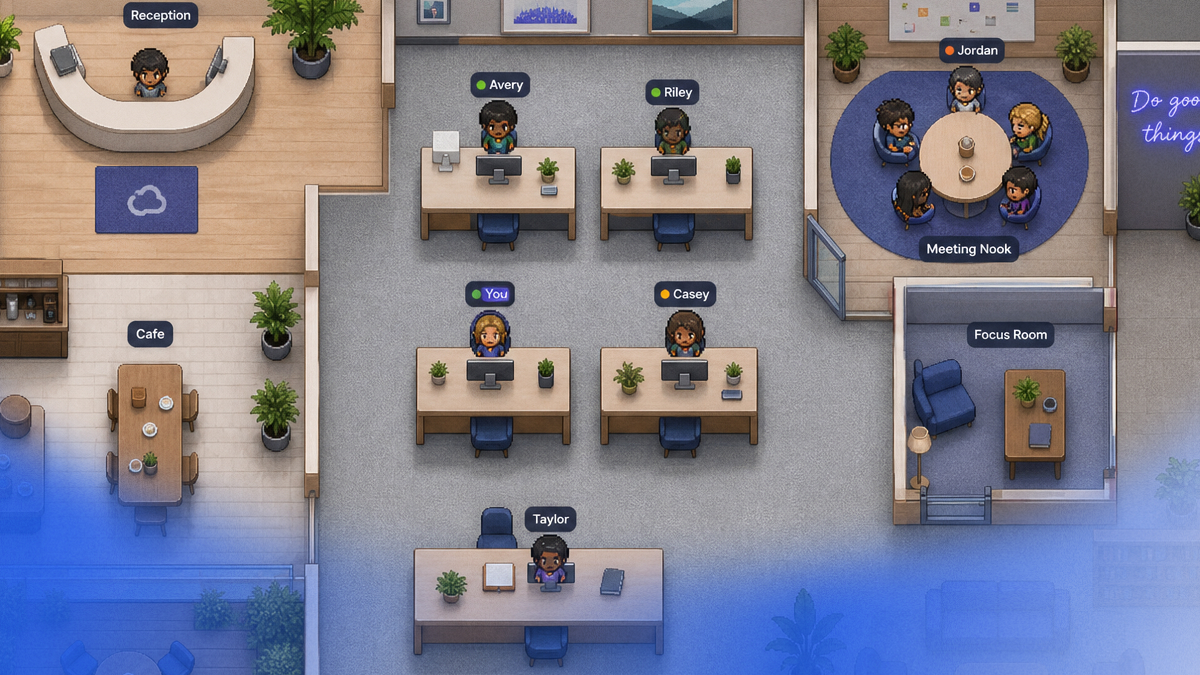
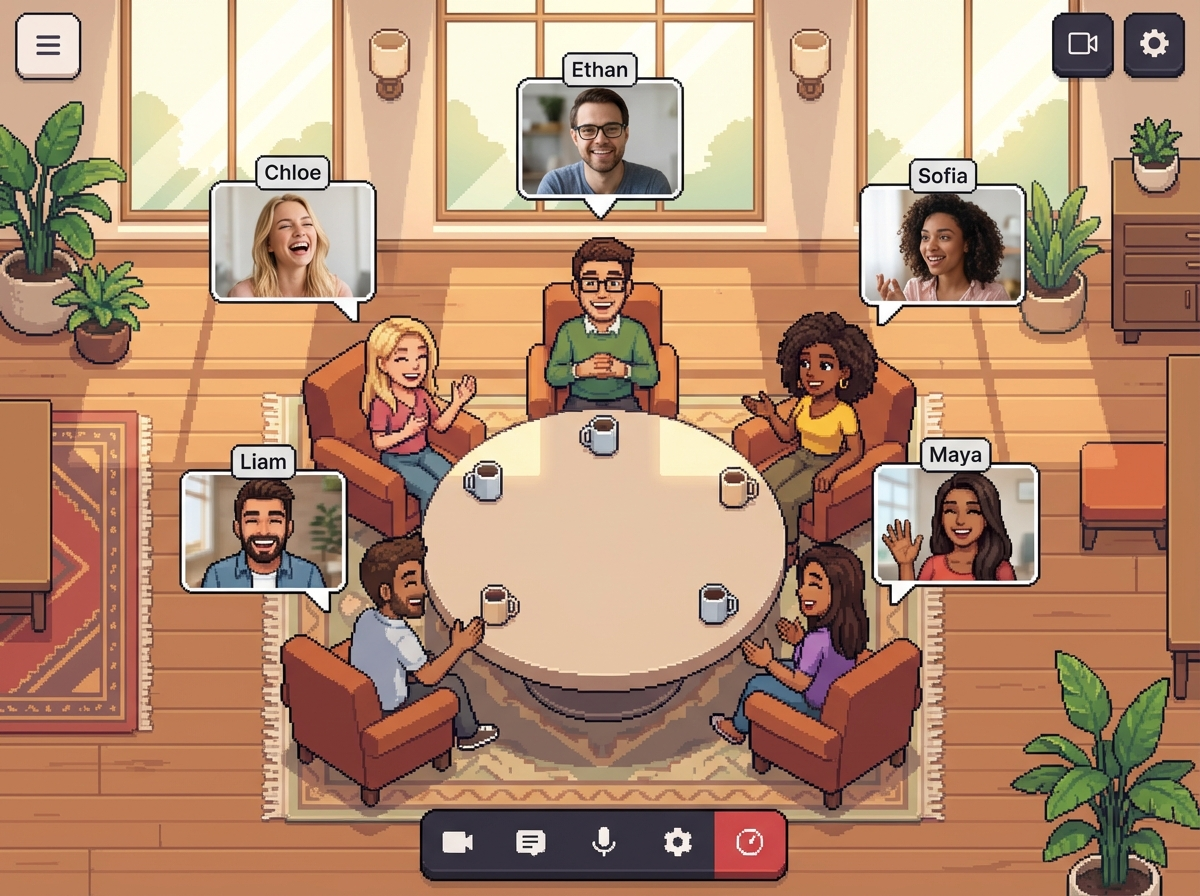
Modern work environments require tools that support the achievement of professional goals by reducing communication friction. Platforms like Hurbly.ai provide virtual office spaces that allow team members to see who is available, focused, or in a meeting. This visibility is crucial because it enables spontaneous mentorship and knowledge sharing, which are vital for anyone looking to reach their professional goals. When you can see a senior colleague is free, a quick informal chat can provide insights that a scheduled formal meeting might miss.
Using a virtual presence platform helps remote workers align their daily activities with their broader professional goals. By indicating a "focused" status, a team member protects their deep-work time, which is necessary for mastering complex new skills. Conversely, being visible and available for quick interactions fosters the networking and internal visibility required to advance toward specific professional goals. This balance of deep work and accessibility is a hallmark of high-performing professionals in 2026.
Actionable Steps to Structure Your Professional Goals
To ensure your professional goals are reachable, they should be broken down into manageable phases. A common mistake is setting objectives that are too broad, making it difficult to determine the first step. Use the following structured approach to refine your planning:
- Self-Assessment: Identify your core strengths and areas for improvement relative to your industry's current standards.
- Market Alignment: Research which certifications or experiences are most valued in 2026 to ensure your professional goals remain relevant.
- Short-term Milestones: Create 3-month targets that serve as stepping stones toward larger achievements.
- Resource Identification: Determine which tools, such as Hurbly.ai for team coordination or specific educational platforms, will help you work more efficiently.
- Feedback Loops: Regularly discuss your professional goals with mentors or managers to gain external perspectives on your progress.
| Goal Type | Focus Area | Example Objective |
|---|---|---|
| Skill-Based | Technical Proficiency | Master AI-integrated project management tools by Q3. |
| Leadership | Team Management | Lead a cross-functional project to improve internal workflows. |
| Networking | Relationship Building | Establish five new industry connections per month via virtual offices. |
Maintaining Momentum and Overcoming Obstacles
The path to achieving professional goals is rarely linear. Unexpected shifts in technology or company structure can require quick adaptation. Maintaining a growth mindset allows you to pivot your professional goals without losing motivation. It is important to treat setbacks as data points rather than failures. If a specific objective becomes unattainable due to external factors, re-evaluate and adjust your professional goals to reflect the new reality of the market.
Consistency is the most critical factor in reaching long-term professional goals. Small, daily actions—such as spending thirty minutes on professional development or optimizing your communication through Hurbly.ai—accumulate over time. By staying visible within your digital office and consistently delivering on smaller tasks, you build the reputation and the skill set necessary to fulfill your most ambitious professional goals. Success in 2026 is defined by the ability to stay connected and productive in a distributed work landscape.