Effective Strategies for Modern Project Management in 2026
In this article

Effective Strategies for Modern Project Management in 2026
Effective project management requires a balance between structured planning and the ability to adapt to real-time changes. In 2026, the landscape of work has shifted heavily toward distributed environments, making it essential to maintain clear visibility over every phase of a task. Successful execution depends on defining specific goals, allocating resources accurately, and ensuring that every team member understands their individual contribution to the larger objective.
To optimize project management, teams must move beyond static spreadsheets. Modern workflows benefit from dynamic systems that track progress and identify bottlenecks before they delay a deadline. By focusing on data-driven decision-making, managers can refine their processes and ensure that milestones are met consistently across different departments.
Enhancing Collaboration Through Real-Time Presence
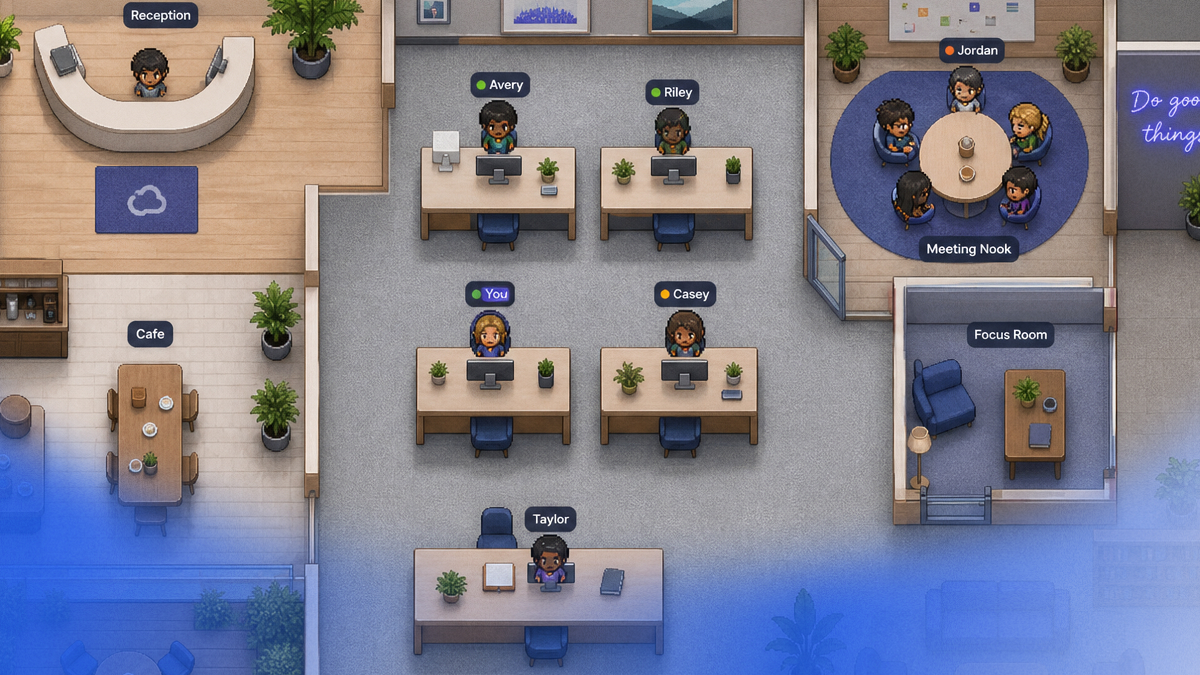
Communication is the backbone of successful project management. When teams work remotely, the lack of physical presence can lead to silos and delayed responses. Utilizing platforms like Hurbly.ai helps bridge this gap by providing a virtual office environment. This technology allows team members to see who is focused, available, or in a meeting, which reduces the friction often found in digital coordination.
Integrating real-time presence into your project management strategy ensures that spontaneous conversations can happen without the need for endless scheduled meetings. When a developer or designer has a quick question, seeing a colleague's "available" status allows for immediate resolution. This fluidity speeds up the feedback loop and keeps the entire project moving forward without unnecessary administrative overhead.
Core Components of a Project Management Framework
A robust framework for project management consists of several interconnected stages. Each stage must be documented and communicated clearly to avoid scope creep and resource exhaustion.
- Initiation: Defining the project's purpose and identifying key stakeholders.
- Planning: Outlining the roadmap, setting deadlines, and establishing the budget.
- Execution: Carrying out the planned activities while maintaining high quality.
- Monitoring: Tracking performance metrics and adjusting the plan as needed.
- Closing: Finalizing deliverables and conducting a post-project review to capture lessons learned.
By following these steps, project management becomes a repeatable process rather than a series of chaotic events. This structure provides a safety net for teams, allowing them to focus on creative problem-solving while the framework handles the logistical requirements.
Comparing Traditional and Agile Project Management
| Feature | Traditional (Waterfall) | Agile Methodology |
|---|---|---|
| Flexibility | Low; changes are difficult once started. | High; encourages iterative changes. |
| Delivery | Single final product at the end. | Frequent small releases. |
| Feedback | Occurs mainly at the end of the project. | Continuous throughout the cycle. |
| Project Management Style | Linear and sequential. | Iterative and collaborative. |
Choosing the right approach to project management depends on the specific needs of the task. While traditional methods work well for fixed-scope hardware projects, Agile is often preferred for software development and creative campaigns where requirements evolve over time.
Reducing Coordination Tax in Distributed Teams
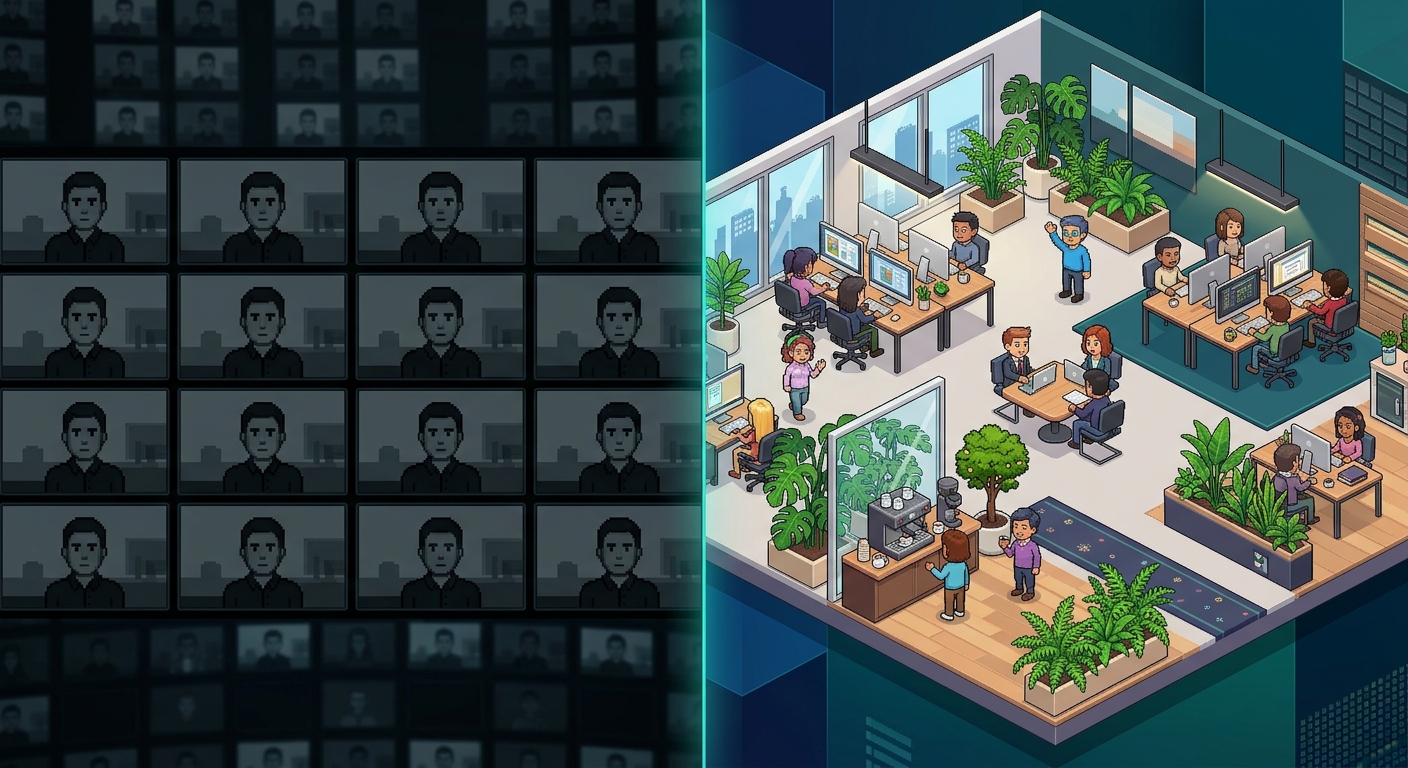
The "coordination tax" refers to the extra time and effort required to keep everyone aligned in a remote setting. High-quality project management aims to minimize this tax by using tools that provide transparency. When team members use Hurbly.ai, they gain a sense of shared space that traditional messaging apps cannot provide. This visibility is a vital component of modern project management because it replaces manual status updates with automated presence indicators.
Furthermore, reducing the reliance on scheduled video calls allows for more "deep work" time. Effective project management recognizes that constant interruptions break focus. By seeing a teammate's "focused" status, others know not to disturb them, protecting the team's most valuable asset: their concentration and productivity.
Future Trends in Project Management for 2026
As we move through 2026, the integration of artificial intelligence into project management has become standard. AI tools now assist in predicting project risks and suggesting optimal resource distribution. However, the human element remains irreplaceable. The ability to lead a team, resolve conflicts, and inspire innovation is what defines excellence in project management today.
Technological adoption continues to favor platforms that prioritize human connection and accessibility. By combining advanced project management software with presence-based tools like Hurbly.ai, organizations can create a balanced ecosystem. This synergy supports both the technical tracking of tasks and the social needs of a professional team, ensuring long-term success in an increasingly digital world.
Best Practices for Long-Term Project Success
To maintain high standards in project management, teams should conduct regular audits of their internal processes. This involves checking if the current tools are actually serving the team or if they have become a burden. A lean approach to project management involves stripping away redundant meetings and focusing on high-impact activities that contribute directly to the project's goals.
Finally, documentation is a critical pillar of project management. Every decision, change in scope, and resource shift should be recorded in a centralized location. This ensures that even if a team member leaves, the institutional knowledge remains, allowing the project management cycle to continue without significant disruption. High-quality documentation serves as the ultimate reference point for accountability and future planning.