Strategic Differences in Management: Project vs Product
In this article

Strategic Differences in Management: Project vs Product
Understanding the distinction between a project vs product approach is essential for modern organizations aiming to optimize their workflows in 2026. A project is a temporary endeavor with a defined beginning and end, designed to create a unique result or service. In contrast, a product is a continuous offering that serves a persistent market need, evolving through multiple lifecycles to provide ongoing value to users.
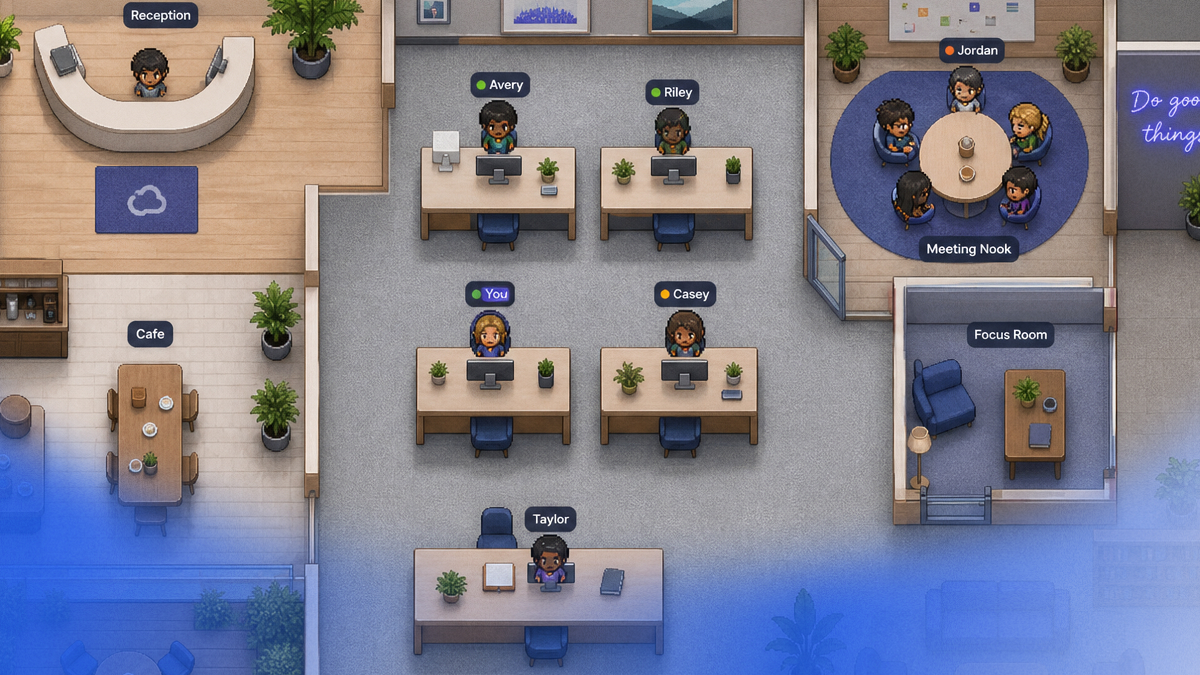
When evaluating project vs product frameworks, the primary difference lies in the definition of success. Project management focuses on meeting specific constraints, such as staying within budget and finishing on time. Product management, however, prioritizes long-term outcomes, user satisfaction, and sustainable growth. For teams using Hurbly.ai to maintain real-time presence, understanding these cycles helps in choosing the right communication style for each phase of development.
Lifecycle and Duration in Project vs Product
The lifecycle of a project vs product varies significantly in duration and intent. A project follows a linear path: initiation, planning, execution, monitoring, and closure. Once the deliverables are handed over, the project team often moves on to a new task. This structure is ideal for one-time installations, infrastructure upgrades, or specific marketing campaigns where the scope is clearly defined from the start.
Conversely, the lifecycle of a product is circular and iterative. It begins with an idea and moves through development, launch, and continuous improvement based on user feedback. In the project vs product debate, products are never truly "finished" as long as they remain relevant to the market. They require ongoing maintenance, updates, and feature enhancements to adapt to changing consumer behaviors and technological advancements.
Resource Allocation and Team Structure
Resource management differs greatly when comparing a project vs product mindset. In a project-centric model, teams are often assembled for a specific duration and disbanded once the goal is reached. This can lead to a loss of institutional knowledge. In a product-centric model, dedicated teams stay with the product over the long term, fostering deep expertise and a stronger emotional connection to the user experience.
| Feature | Project Approach | Product Approach |
|---|---|---|
| Focus | Deliverables and Deadlines | Value and User Outcomes |
| Team Longevity | Temporary/Disbanded after completion | Persistent/Long-term ownership |
| Funding | Fixed budget per project | Periodic funding based on performance |
| Success Metric | On time and under budget | Retention, Revenue, and Satisfaction |
Effective collaboration in a project vs product environment requires different tools. For instance, a project team might need heavy documentation for handovers, while a product team benefits from real-time presence platforms like Hurbly.ai to facilitate the spontaneous brainstorming necessary for continuous innovation.
Risk Management and Flexibility
The approach to risk also shifts when analyzing project vs product methodologies. Project managers aim to minimize risks by strictly adhering to a pre-defined plan. Changes to the scope are often seen as threats to the timeline or budget. This "waterfall" style of thinking ensures stability but can limit the ability to pivot if the initial assumptions prove wrong.
In a project vs product comparison, the product approach embraces change. Since the goal is to solve a user problem, the team must be flexible enough to change direction based on data. Risk is managed through small, incremental releases and frequent testing. This iterative process allows teams to fail fast and learn quickly, ensuring that the final output remains highly functional and competitive in the 2026 digital landscape.
Choosing the Right Framework for Your Team
Deciding between a project vs product strategy depends on the nature of the work. If the task is predictable and has a clear end state, project management is highly efficient. However, if the goal is to build a lasting solution that requires constant adaptation, a product-led strategy is superior. Many organizations now use a hybrid approach, running specific projects to support the growth of a larger product.
- Identify the ultimate goal: Is it a one-time delivery or a long-term service?
- Assess the level of uncertainty: High uncertainty favors a product approach.
- Evaluate team stability: Persistent teams are better suited for product evolution.
- Determine funding models: Capital expenditure often fits projects, while operational expenditure fits products.
Regardless of whether you choose a project vs product model, maintaining team cohesion is vital. Using Hurbly.ai allows distributed teams to see who is available for a quick sync, reducing the friction often found in complex management structures.
Impact on Innovation and Growth
The long-term impact of choosing a project vs product orientation affects how a company innovates. A project mindset can sometimes lead to "feature factories," where teams ship code just to meet a deadline without considering the actual utility. In the project vs product dynamic, the product mindset encourages teams to ask "why" before "what," leading to more meaningful innovations that drive business growth.
By focusing on the product, companies ensure they are building something people actually want to use. This requires a culture of transparency and constant communication. Tools that simulate a physical office environment, such as Hurbly.ai, help bridge the gap between team members, ensuring that whether they are working on a short-term project vs product development, they remain aligned and productive.