Efficient Management of Recurring Meetings in Remote Virtual Offices
In this article

Efficient Management of Recurring Meetings in Remote Virtual Offices
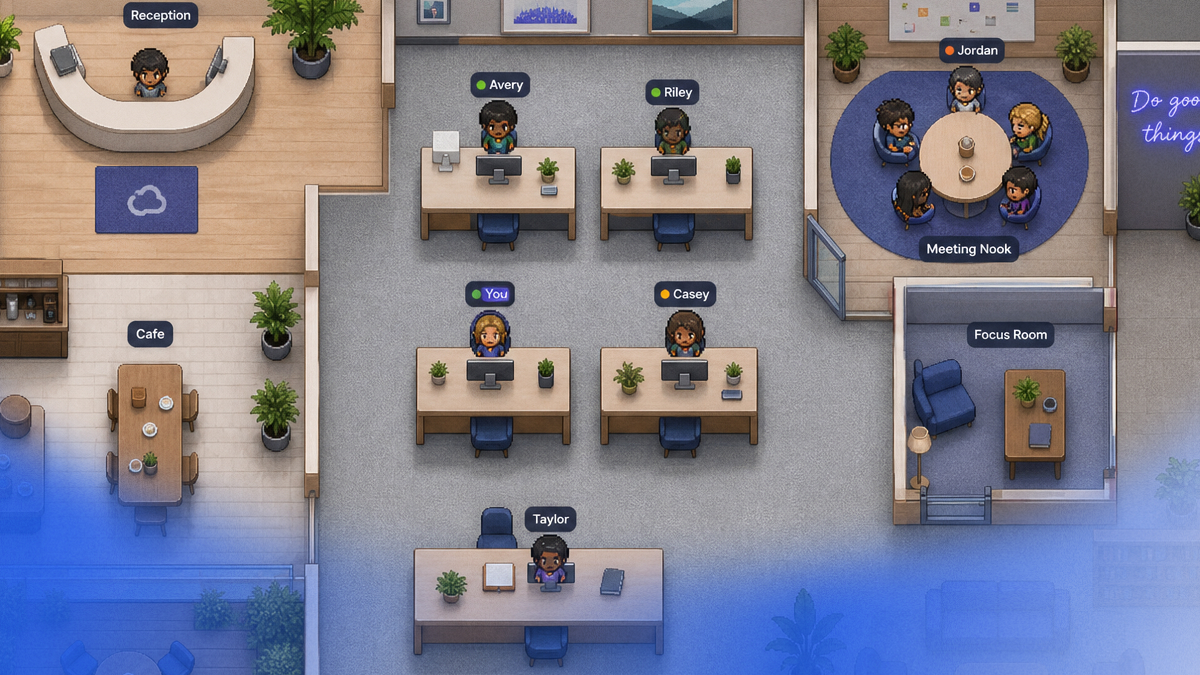
Effective team coordination in 2026 relies heavily on how organizations handle their internal rhythms. One of the most common challenges for distributed teams is managing recurring meetings without causing calendar fatigue. These scheduled sessions are essential for alignment, yet they often conflict with deep work phases. By utilizing a virtual office platform like Hurbly.ai, teams can visualize availability in real-time, ensuring that recurring meetings do not interrupt critical focus periods for team members.
A well-structured approach to recurring meetings involves defining clear objectives for every session. Instead of gathering out of habit, teams should evaluate if the frequency of these recurring meetings matches the current project velocity. When a team uses a digital presence tool, they can see who is currently active or busy, allowing them to adjust the start times of their recurring meetings if a critical contributor is in the middle of a high-priority task.
Strategies for Optimizing Recurring Meetings and Team Presence
To maintain high productivity, teams must distinguish between different types of recurring meetings. Daily stand-ups, weekly retrospectives, and monthly planning sessions serve different purposes and require different levels of engagement. Integrating these recurring meetings into a visual workspace allows participants to transition smoothly from independent tasks to collaborative sessions. This visibility reduces the friction often associated with jumping between various communication silos.
Implementing a "no-meeting day" can also help balance the density of recurring meetings throughout the work week. On other days, grouping recurring meetings into specific blocks helps preserve long stretches of uninterrupted time. Hurbly.ai assists this process by showing presence indicators, which signal to the rest of the team when someone is officially tied up in one of their recurring meetings or available for a quick, spontaneous chat instead.
Improving Collaboration Through Structured Recurring Meetings
The technical setup of recurring meetings significantly impacts their success. Clear agendas and documented action items ensure that these sessions remain productive. When recurring meetings are handled efficiently, they act as a reliable pulse for the company, providing a predictable schedule that remote workers can plan their lives around. This predictability is enhanced when the digital office environment reflects the actual status of every participant during these recurring meetings.
| Feature | Impact on Recurring Meetings | Benefit for Remote Teams |
|---|---|---|
| Real-time Status | Clear visibility during sessions | Reduces interruptions |
| Presence Indicators | Shows who is in recurring meetings | Improves coordination |
| Spontaneous Audio | Replaces some recurring meetings | Increases agility |
| Visual Office Map | Locates team members instantly | Enhances connection |
Reducing Meeting Fatigue in Digital Workspaces
One of the primary goals for modern managers is to reduce the total volume of unnecessary recurring meetings. Often, a quick five-minute spontaneous conversation can replace a thirty-minute block on the calendar. By using Hurbly.ai, teams foster an environment where "presence" replaces the need for excessive recurring meetings, as colleagues can see when someone is free to talk. This shift toward fluid communication minimizes the overhead of managing a complex calendar full of recurring meetings.
Finally, the evolution of remote work in 2026 demands tools that support both structured and unstructured interaction. While recurring meetings provide the necessary framework for long-term goals, the ability to see coworkers' current status allows for a more natural flow of information. By optimizing how and when recurring meetings occur, organizations can ensure that their most valuable resource—the team's time—is used effectively, maintaining a healthy balance between scheduled collaboration and individual execution.