Enhancing Team Collaboration Through Remote-First Virtual Office Solutions
In this article

Enhancing Team Collaboration Through Remote-First Virtual Office Solutions
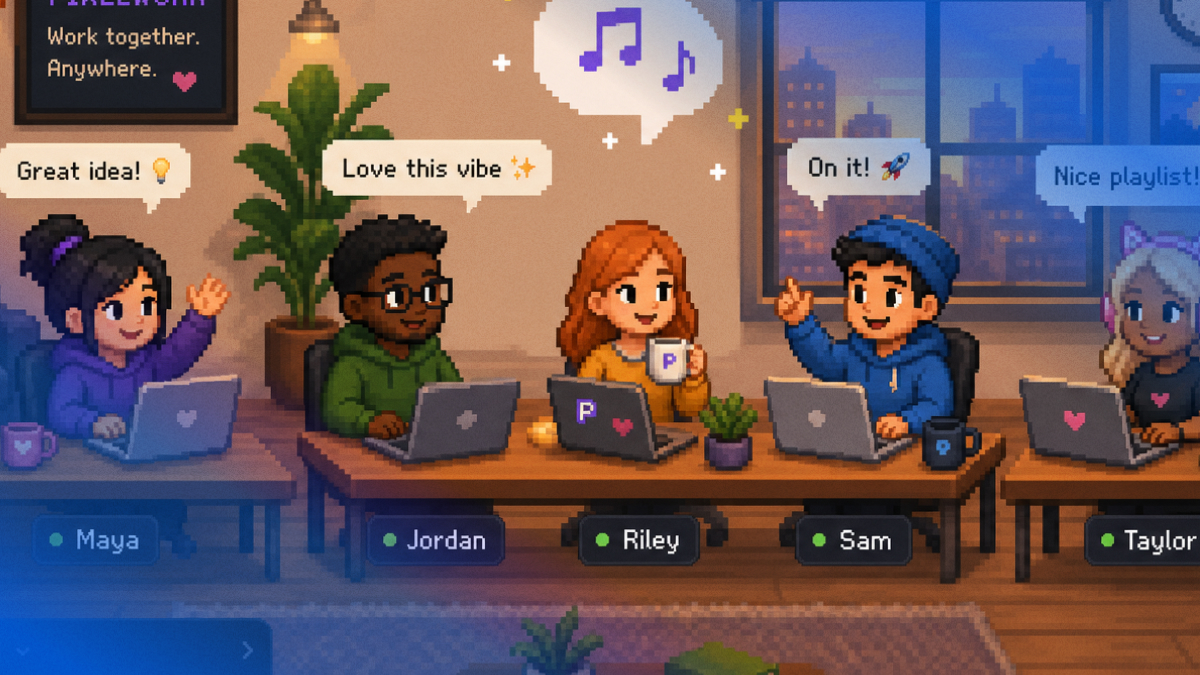
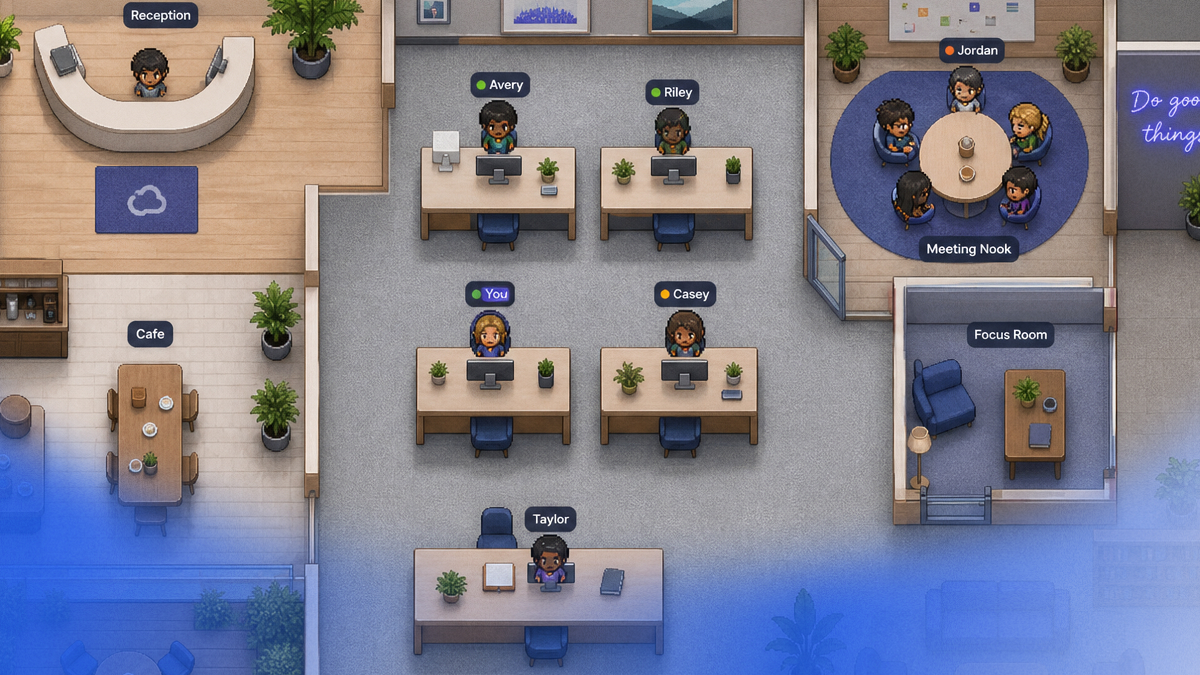
Virtual workspaces represent a fundamental shift in how distributed teams interact. A remote-first approach focuses on creating a shared digital environment where presence is visible and communication is fluid. Unlike traditional messaging apps that rely on asynchronous text, a remote-first platform like Hurbly.ai provides a real-time map of team activity. This visibility allows members to see who is currently at their desk, who is deeply focused on a task, and who is available for a quick chat, mimicking the natural cues found in a physical office.
The core functionality of a remote-first virtual office involves real-time status indicators. These indicators go beyond simple "online" or "offline" markers. They provide context, such as whether a colleague is in a meeting or in a "deep work" mode. By establishing a remote-first culture of transparency, teams can reduce the cognitive load of wondering when to reach out. This system ensures that spontaneous interactions happen without the friction of checking calendars or sending "Are you there?" messages, which is essential for any remote-first organization.
Operational Mechanics of Real-Time Presence Platforms
Implementing a remote-first strategy requires tools that facilitate instant engagement. When a team member uses Hurbly.ai, their digital avatar or status reflects their current availability automatically or through manual selection. This remote-first setup allows a coworker to "drop by" a colleague's virtual desk for a quick clarification, much like walking over to a desk in a brick-and-mortar building. This immediacy is a cornerstone of effective remote-first workflows, as it prevents small questions from turning into long, delayed email threads.
To maintain productivity, these platforms offer specific features designed for the remote-first environment:
- Presence Awareness: Real-time visual cues showing team members' current engagement levels.
- Spontaneous Audio/Video: The ability to start a conversation instantly without generating a meeting link.
- Focus Modes: Settings that signal to the team when a member should not be interrupted, protecting deep work in a remote-first setting.
- Digital Rooms: Dedicated spaces for specific projects or departments where people can gather virtually.
Why Virtual Offices are Relevant in 2026
As we move through 2026, the necessity for structured remote-first communication has become clear. Distributed teams often struggle with feelings of isolation or a lack of "social presence." A remote-first virtual office solves this by providing a persistent space where the team "exists" together during work hours. Using Hurbly.ai helps bridge the gap between physical distance and collaborative proximity, ensuring that the remote-first experience is as cohesive as being in the same room.
| Feature | Traditional Messaging | Remote-First Virtual Office |
|---|---|---|
| Visibility | Limited to status icons | Real-time activity and context |
| Interaction | Scheduled or text-based | Spontaneous and instant |
| Team Cohesion | Low (siloed chats) | High (shared digital space) |
| Coordination | High friction (calendar sync) | Low friction (visual cues) |
Adopting a remote-first mindset through these tools leads to faster decision-making. When managers and contributors can see each other's availability at a glance, the time spent on administrative coordination drops significantly. This efficiency is why many modern enterprises are transitioning to a remote-first model, utilizing Hurbly.ai to maintain high-performance standards regardless of where their employees are located.
Improving Distributed Team Transparency
Transparency is the foundation of a successful remote-first company. Without physical proximity, it is easy for information silos to form. A remote-first virtual office breaks these silos by making the team's pulse visible to everyone. When users log into Hurbly.ai, they gain an immediate understanding of the team's workload and rhythm. This level of insight is vital for remote-first leaders who need to balance team capacity without micromanaging individual schedules.
Furthermore, the remote-first model supported by virtual offices encourages informal knowledge sharing. In a traditional setup, "watercooler moments" happen by chance; in a remote-first digital office, these interactions are facilitated by the ease of jumping into a quick voice call. By prioritizing a remote-first infrastructure, organizations ensure that their culture remains vibrant and that their communication remains efficient, scalable, and human-centric.