Strategies for Success in Modern Remote First Companies

In this article

Strategies for Success in Modern Remote First Companies
The landscape of professional collaboration has shifted significantly by 2026, with remote first companies now representing a standard operational model for global business. These organizations prioritize a digital-native infrastructure where physical office space is optional rather than a requirement. To thrive, remote first companies must implement specific communication protocols that prevent information silos and ensure every team member has access to the same resources, regardless of their physical location or time zone.
Operating within remote first companies requires a transition from synchronous to asynchronous workflows. This means that instead of relying on immediate responses, teams document processes thoroughly so that work can progress without constant real-time supervision. For many remote first companies, the challenge lies in maintaining a sense of shared presence and spontaneous interaction that typically occurs in a physical hallway or breakroom.
Enhancing Team Presence and Real-Time Visibility
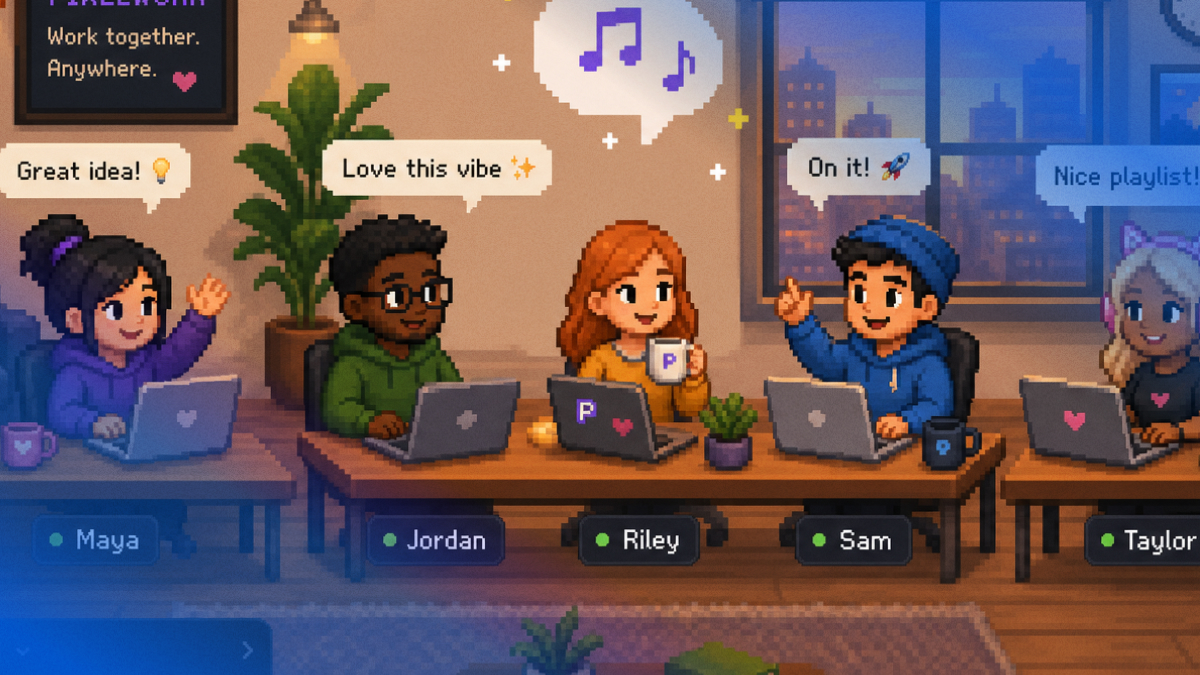
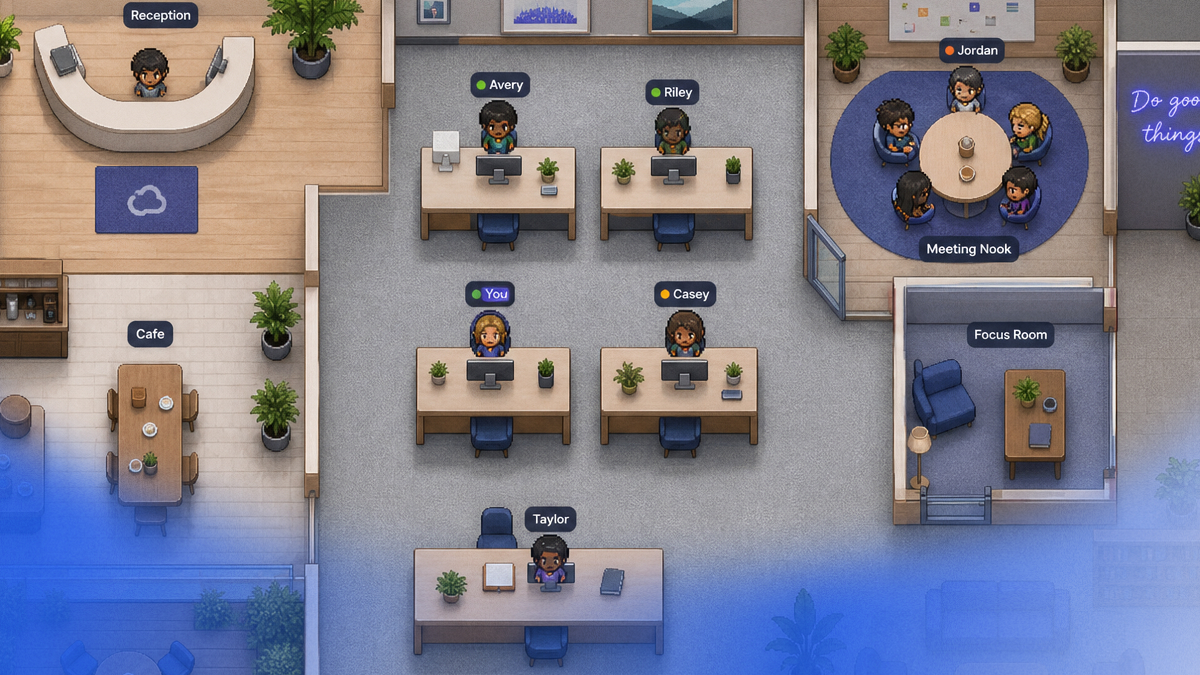
A critical component for remote first companies is the ability to visualize team availability without the friction of constant messaging. Platforms like Hurbly.ai address this by providing a virtual office environment. This technology allows members of remote first companies to see who is currently focused, who is available for a quick chat, or who is currently occupied in a meeting. By simulating a digital floor plan, it removes the guesswork associated with distributed work.
When remote first companies utilize real-time presence indicators, they reduce the "meeting fatigue" often caused by over-scheduling. Instead of booking a thirty-minute block for a simple question, employees in remote first companies can initiate instant, informal conversations when they see a colleague is free. This fluidity mimics the natural social cues of a physical office, fostering a more connected and transparent culture.
Key Operational Benefits for Distributed Teams
The adoption of a decentralized model offers several measurable advantages for modern organizations. Remote first companies often report higher retention rates because they offer employees geographical flexibility and better work-life integration. Furthermore, remote first companies can recruit talent from a global pool, ensuring that specialized roles are filled by the best candidates regardless of where they live.
| Feature | Impact on Remote First Companies |
|---|---|
| Global Talent Access | Enables hiring without geographical constraints. |
| Reduced Overhead | Minimizes costs related to real estate and office maintenance. |
| Asynchronous Documentation | Ensures knowledge is preserved and accessible 24/7. |
| Increased Autonomy | Empowers employees to manage their own schedules and environments. |
For remote first companies to maintain these benefits, they must invest in tools that support "active presence." This involves using software that goes beyond simple text chat to show the pulse of the organization. By integrating solutions like Hurbly.ai, remote first companies can bridge the gap between isolation and over-communication, creating a balanced digital workspace.
Best Practices for Communication in 2026
Effective communication within remote first companies is built on three pillars: clarity, accessibility, and intentionality. Because body language is often absent in digital text, successful remote first companies encourage the use of video snippets or presence-based tools to convey tone and urgency. This prevents the misunderstandings that frequently occur in high-pressure, text-only environments.
- Define Availability Standards: Establish clear hours when team members are expected to be "visible" or "reachable" in the virtual office.
- Centralize Information: Ensure all project data is stored in a cloud-based system accessible to everyone in the organization.
- Encourage Spontaneous Interaction: Use tools that allow for "walk-up" conversations to replace unnecessary formal meetings.
- Prioritize Results over Hours: Focus on output and milestones rather than the specific minutes spent at a desk.
By following these steps, remote first companies can ensure that their culture remains vibrant and productive. The goal is to create an environment where the digital space feels as functional and social as a physical one. As more organizations transition to being remote first companies, the reliance on intuitive presence platforms like Hurbly.ai will continue to grow, providing the necessary infrastructure for seamless, real-time global collaboration.