Optimizing Distributed Workflows with a Remote HQ
In this article

Optimizing Distributed Workflows with a Remote HQ
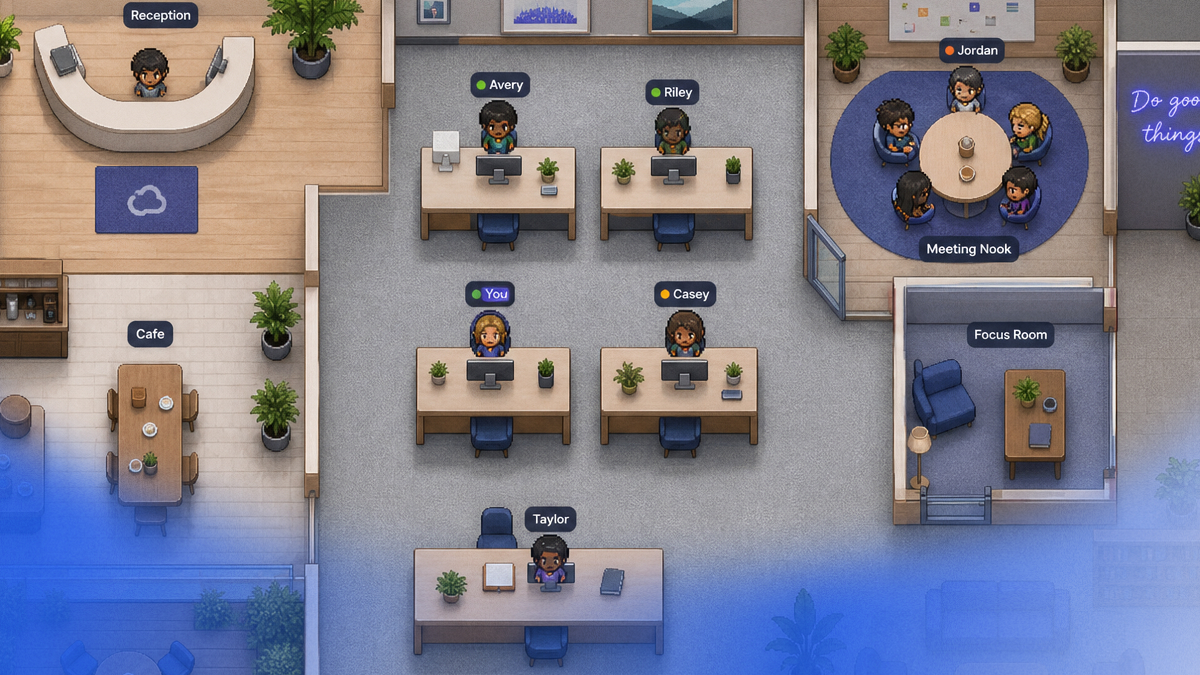
A Remote HQ serves as the central digital environment where distributed teams manage their daily operations and maintain professional connections. Unlike traditional physical offices, a Remote HQ relies on real-time data to synchronize team members across different time zones. By using a platform like hurbly.ai, organizations can establish a structured digital space that visualizes presence and availability. This setup reduces the isolation often felt in telecommuting by providing a clear view of who is currently working, who is in a meeting, and who is available for a quick consultation.
The primary function of a Remote HQ is to eliminate the friction associated with unscheduled communication. In a standard remote setup, employees often hesitate to reach out to colleagues, fearing they might interrupt deep work. However, a well-implemented Remote HQ provides live status indicators that signal a teammate's current focus level. This transparency allows for spontaneous interactions that mimic the natural flow of a physical office, ensuring that information moves quickly through the organization without the need for constant email chains or formal calendar invites.
Core Features of an Effective Remote HQ
To function effectively, a Remote HQ must integrate several technical capabilities that support real-time collaboration. These features are designed to provide context to digital interactions, making them more meaningful and less intrusive. When a team adopts a Remote HQ through hurbly.ai, they gain access to tools that prioritize visibility and immediate engagement.
Key components of a high-performing Remote HQ include:
- Real-Time Presence Indicators: Visual cues that show if a user is active, away, or in a "do not disturb" mode.
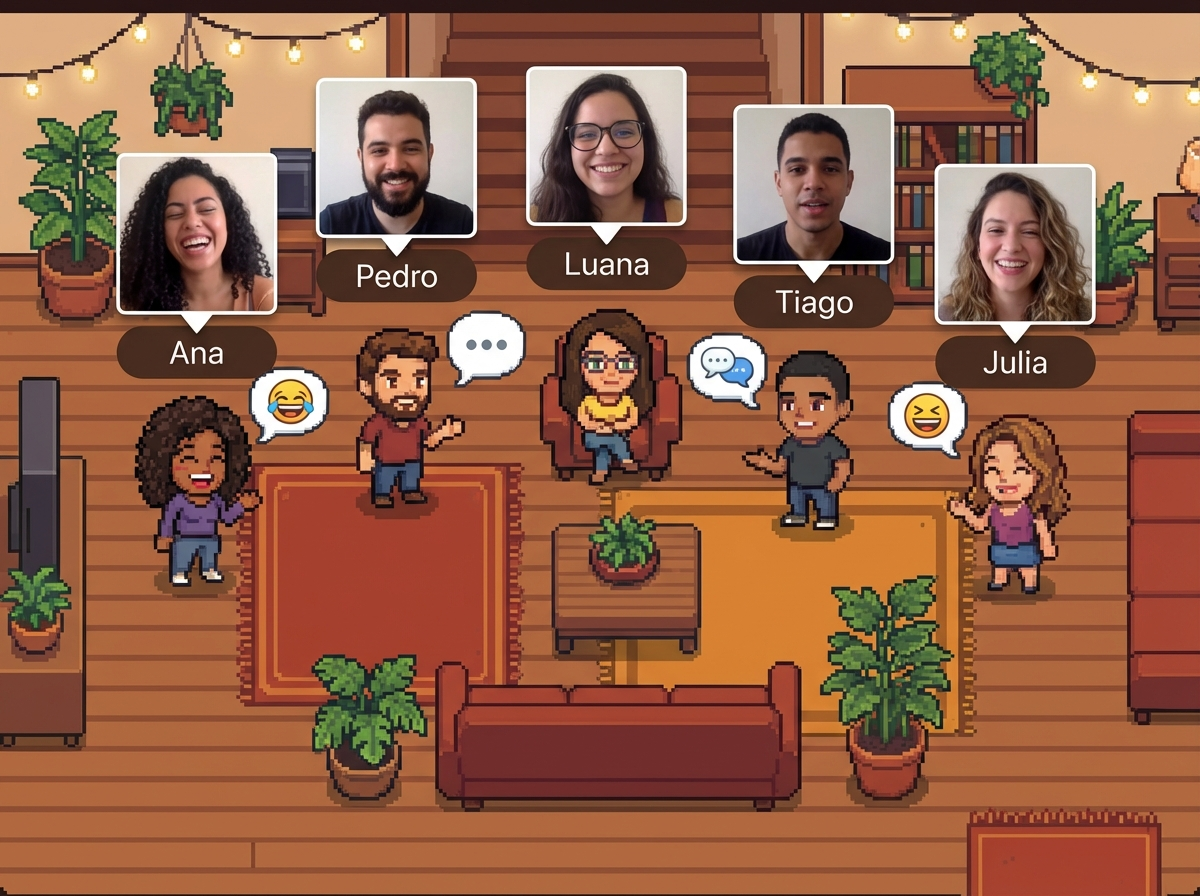
- Instant Audio/Video Channels: The ability to jump into a quick conversation without generating a meeting link.
- Focus State Tracking: Automated updates that inform the team when a member is engaged in high-concentration tasks.
- Spatial Awareness: A layout that helps users understand the organizational structure and departmental groupings.
By centralizing these functions, a Remote HQ becomes the definitive source of truth for team availability. This prevents the "ghosting" effect common in text-heavy communication platforms, where messages may sit unread for hours. Instead, the Remote HQ encourages a culture of active participation and accountability, as everyone can see the collective momentum of the team in real time.
Benefits of Implementing a Remote HQ in 2026
As we move through 2026, the necessity for a robust Remote HQ has become clear for companies seeking to retain top talent and maintain high productivity. A Remote HQ bridges the gap between flexibility and coordination. It allows employees to work from any location while remaining fully integrated into the company's social and professional fabric. By utilizing hurbly.ai, businesses can foster a sense of belonging that is often lost in purely asynchronous environments.
| Benefit | Description |
|---|---|
| Reduced Meeting Fatigue | A Remote HQ allows for 2-minute syncs that replace 30-minute scheduled calls. |
| Increased Transparency | Managers and peers can see project alignment and availability at a glance. |
| Faster Decision Making | Quick access to colleagues in the Remote HQ speeds up approval processes. |
| Enhanced Team Culture | Spontaneous "watercooler" moments are possible within the digital Remote HQ. |
Beyond simple communication, a Remote HQ acts as a psychological anchor for the team. It defines the "place" where work happens, helping employees mentally transition into a professional mindset even when working from home. This structural clarity is vital for maintaining long-term engagement and preventing burnout, as it clearly defines when the Remote HQ is active and when the workday has concluded.
How to Set Up Your Team in a Remote HQ
Transitioning to a Remote HQ requires a shift in how teams perceive digital presence. The process begins with selecting a platform like hurbly.ai that supports fluid interaction. Once the technical foundation is in place, the team must establish norms for how they will inhabit their Remote HQ. This includes defining what different status icons mean and encouraging members to keep the platform open throughout their shift to maintain visibility.
- Define Virtual Zones: Organize your Remote HQ into departments or project-based rooms to help people find the right contacts.
- Integrate Workflows: Ensure the Remote HQ complements existing task management tools without creating redundant notifications.
- Encourage Spontaneity: Train team members to use the "knock" or "instant join" features of the Remote HQ for minor queries.
- Monitor Engagement: Use the data provided by the Remote HQ to identify bottlenecks or teams that may be overextended.
Ultimately, the success of a Remote HQ depends on consistent usage and the recognition that digital presence is a form of professional courtesy. When everyone is visible in the Remote HQ, the barriers to collaboration vanish, leading to a more agile and connected workforce. By choosing hurbly.ai, teams can ensure their Remote HQ is both intuitive and powerful enough to support complex, global operations.