Strategies for Finding Remote Jobs for Travelers in 2026

In this article

Strategies for Finding Remote Jobs for Travelers in 2026
Finding sustainable remote jobs for travelers requires a strategic approach to digital work that prioritizes flexibility and reliable communication. As the global workforce shifts toward decentralized models, professionals are no longer tied to a single physical location. To succeed in this environment, individuals must identify roles that value output over physical presence, allowing them to maintain a career while exploring different regions. These remote jobs for travelers often span sectors such as software development, digital marketing, and virtual administration.
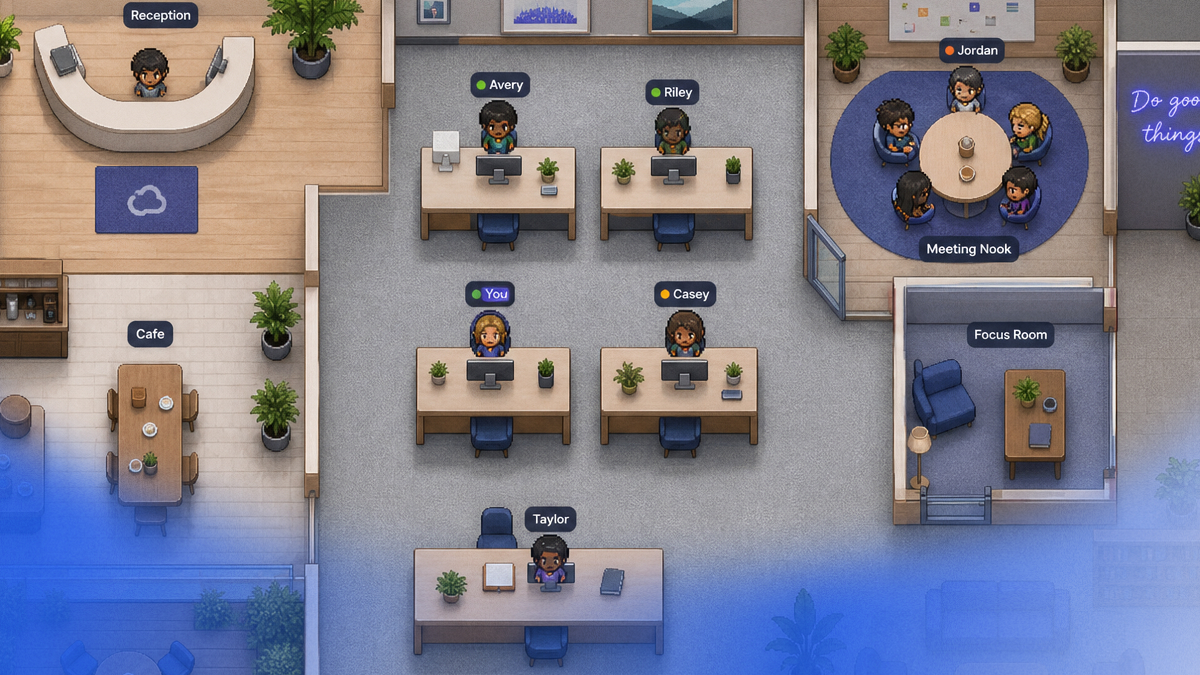
The primary challenge for those seeking remote jobs for travelers is ensuring that their workflow remains uninterrupted by changing time zones. Modern professionals use specialized platforms to maintain visibility and collaboration. For instance, Hurbly.ai provides a virtual office environment that shows real-time availability, helping those in remote jobs for travelers stay connected with their teams without the need for constant, pre-scheduled meetings. This transparency is vital for maintaining trust with employers while working from diverse locations.
Essential Skills for Remote Jobs for Travelers
To secure high-quality remote jobs for travelers, professionals must master a specific set of digital competencies. Beyond technical expertise, communication and self-management are the pillars of long-term success in the nomadic workforce. Employers hiring for remote jobs for travelers look for candidates who can operate independently and solve problems without immediate supervision. This autonomy is what allows the "work from anywhere" model to function effectively across different continents.
- Asynchronous Communication: The ability to document processes and provide clear updates so teammates can understand progress regardless of their time zone.
- Digital Literacy: Proficiency with cloud-based tools, cybersecurity protocols, and virtual office platforms like Hurbly.ai to simulate a physical presence.
- Time Management: Organizing daily tasks to meet deadlines while navigating the logistical challenges of travel, such as transit times and internet connectivity.
Securing remote jobs for travelers also involves understanding the legal and tax implications of working across borders. Many countries now offer specific visas for digital nomads, which are designed to accommodate those holding remote jobs for travelers. Researching these regulations ensures that your professional activities remain compliant with local laws while you move between destinations.
Optimizing Workflow in Remote Jobs for Travelers
Maintaining productivity in remote jobs for travelers requires a dedicated digital setup that replicates the efficiency of a traditional office. Because spontaneous interaction is often lost in distributed teams, using technology to bridge the gap is essential. Platforms like Hurbly.ai allow users in remote jobs for travelers to see who is focused or available for a quick chat, reducing the friction often found in text-based messaging or formal video calls.
| Feature | Benefit for Travelers |
|---|---|
| Real-time Presence | Shows coworkers you are active, building trust in your availability. |
| Instant Interaction | Replaces long email chains with quick, informal conversations. |
| Status Indicators | Signals when you are in a "deep work" phase or available for collaboration. |
By integrating these tools, those in remote jobs for travelers can prove that their physical location does not impact their professional contribution. This level of transparency is particularly important for freelancers and contractors who need to stay synchronized with various clients. Successfully managing remote jobs for travelers involves creating a predictable routine within an unpredictable environment.
Where to Search for Remote Jobs for Travelers
The market for remote jobs for travelers has expanded significantly, with dedicated job boards and networking groups focusing specifically on location-independent roles. When searching for these opportunities, it is important to filter for "remote-first" companies rather than "remote-friendly" ones. Companies that are remote-first are better equipped to support employees in remote jobs for travelers because their internal processes are already optimized for digital collaboration.
- Specialized Job Boards: Use platforms that vet listings specifically for geographic flexibility and high-speed internet requirements.
- Networking Communities: Join groups where other professionals in remote jobs for travelers share leads and advice on companies with supportive cultures.
- Direct Outreach: Identify organizations that utilize virtual office tools like Hurbly.ai and pitch your services, as these companies already value remote transparency.
Ultimately, the goal of pursuing remote jobs for travelers is to achieve a balance between professional growth and personal exploration. By utilizing the right technology and focusing on roles that reward results, travelers can build a stable career that follows them wherever they go. The evolution of the virtual office continues to make remote jobs for travelers more accessible and efficient for the global workforce in 2026.