Enhancing Team Collaboration Through Effective Remote Meetings

In this article

Enhancing Team Collaboration Through Effective Remote Meetings
The shift toward distributed work in 2026 has redefined how professionals interact. Traditional office layouts have been replaced by digital environments where remote meetings serve as the primary bridge for communication. However, the success of these interactions depends on more than just high-quality video; it requires a clear understanding of team availability and presence. Without a physical space to gauge if a colleague is busy or open for a chat, teams often struggle with communication silos or notification fatigue.
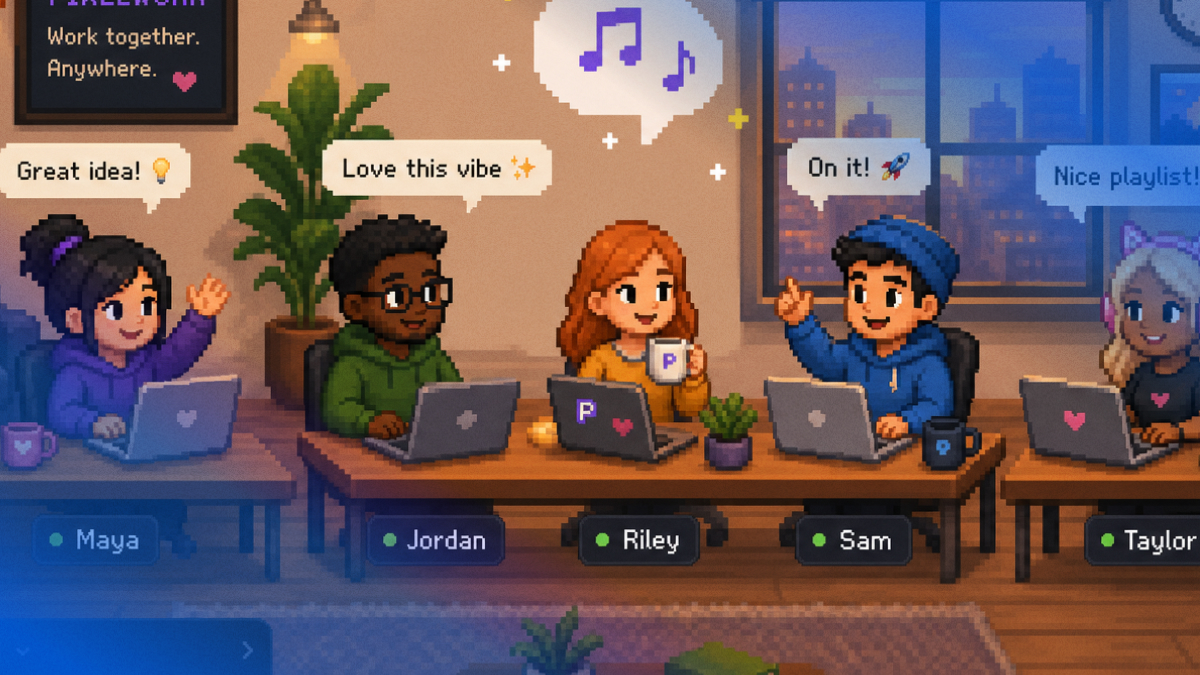
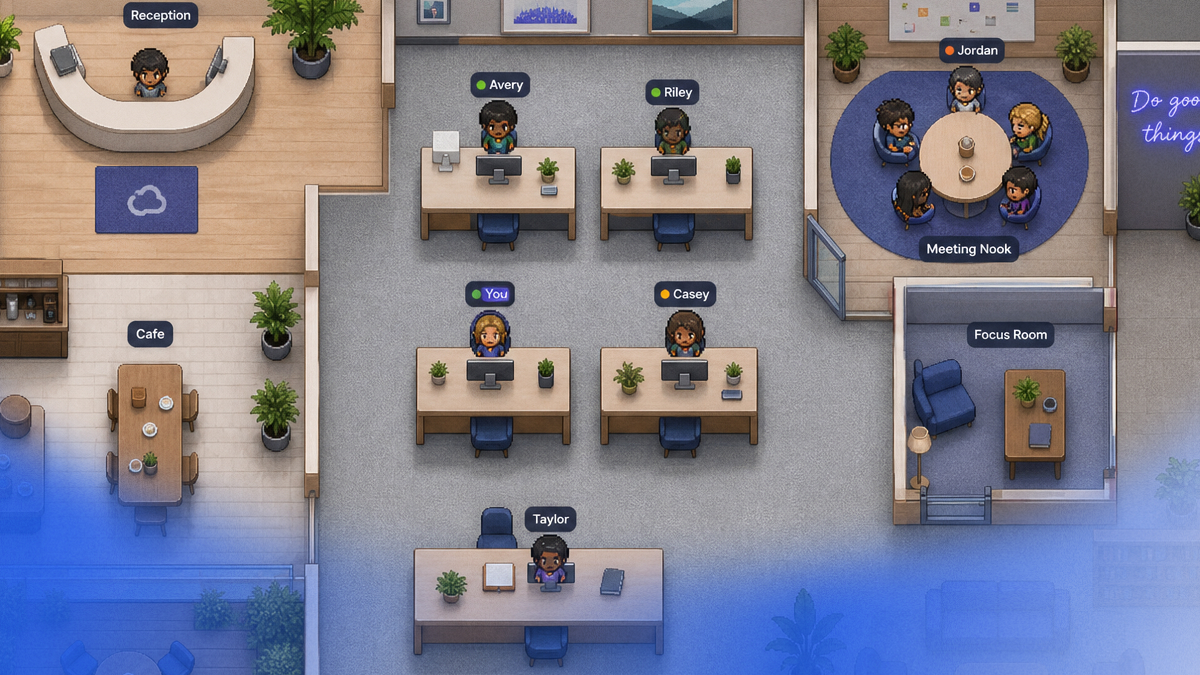
Platforms like Hurbly.ai address these challenges by providing real-time visibility into team dynamics. By displaying live status indicators, such as who is currently focused or who is participating in remote meetings, the platform eliminates the guesswork associated with digital collaboration. This transparency ensures that spontaneous conversations can occur naturally, reducing the friction typically found in strictly scheduled environments.
The Role of Real-Time Presence in Digital Workspaces
In a physical office, you can see when a coworker is wearing headphones or talking to someone else. In a digital setting, this context is often lost, leading to interrupted workflows. By integrating presence technology, teams can better time their remote meetings and casual check-ins. This approach moves away from the "always-on" culture and toward a more respectful, data-driven interaction model where availability is communicated visually.
Effective collaboration in 2026 relies on minimizing unnecessary interruptions. When team members can see that a peer is already engaged in remote meetings, they are less likely to send urgent messages that disrupt deep work. This visibility fosters a culture of autonomy and respect, allowing individuals to manage their schedules while staying connected to the collective pulse of the organization.
Strategies for Optimizing Remote Meetings
To maximize the efficiency of digital interactions, teams must distinguish between different types of communication. Not every interaction requires a formal invitation or a lengthy agenda. By using tools that facilitate instant audio or video connections, teams can resolve quick queries without the overhead of scheduling formal remote meetings. This fluidity mimics the "desk-side chat" of traditional offices, which is often lost in remote-first setups.
| Type of Interaction | Purpose | Recommended Approach |
|---|---|---|
| Quick Sync | Resolving minor blockers or quick questions. | Instant conversation via presence tools. |
| Strategic Session | Deep diving into complex project planning. | Scheduled remote meetings with clear agendas. |
| Social Catch-up | Building team rapport and informal bonding. | Casual, non-structured remote meetings. |
| Status Update | Sharing progress on specific tasks. | Asynchronous updates or brief live check-ins. |
When formal remote meetings are necessary, they should be structured to ensure every participant provides value. This includes setting clear objectives beforehand and using collaborative digital whiteboards to capture ideas in real-time. By keeping these sessions focused, teams can avoid the common pitfall of "meeting fatigue" and ensure that their time spent on camera is productive.
Benefits of Spontaneous Interaction Over Scheduled Calls
One of the greatest hurdles for distributed teams is the loss of serendipitous information exchange. When every conversation must be booked on a calendar, the barrier to communication rises. Utilizing a virtual office platform allows for more frequent, shorter remote meetings that happen organically. This helps in maintaining project momentum and ensures that small issues are addressed before they escalate into larger problems.
- Reduced Cognitive Load: Eliminates the need to manage complex calendar invites for simple questions.
- Improved Transparency: Everyone knows who is available, reducing the anxiety of "pinging" someone.
- Faster Decision Making: Quick remote meetings allow for immediate consensus without waiting for an open time slot.
- Enhanced Team Cohesion: Seeing colleagues "present" in a digital space reduces the feeling of isolation.
By prioritizing these spontaneous interactions, organizations can maintain a high level of agility. Instead of waiting days for a scheduled window, a quick glance at a presence dashboard like Hurbly.ai allows a manager to see if a brief huddle is possible. These micro-interactions often replace the need for hour-long remote meetings, saving significant time across the work week.
Implementing Presence Tools for Better Workflow
Transitioning to a presence-based workflow involves more than just installing software; it requires a shift in team culture. Members must be encouraged to update their status and respect the boundaries indicated by their peers. When a dashboard shows a colleague is in deep focus mode, the team understands that remote meetings should be deferred. Conversely, an "available" status acts as a green light for collaborative engagement.
This system is particularly beneficial for freelancers and distributed organizations operating across multiple time zones. Knowing exactly when a teammate is online and active helps in coordinating remote meetings that accommodate everyone's schedule without causing burnout. As we move further into 2026, the integration of real-time presence and streamlined remote meetings will continue to be the standard for high-performing, location-independent teams.
Ultimately, the goal is to create a digital environment that feels as intuitive as a physical one. By focusing on visibility and reducing the administrative burden of communication, teams can spend less time managing remote meetings and more time executing their core tasks. This balance is essential for long-term productivity and employee satisfaction in the modern era of work.