Effective Strategies for Remote Team Building Activities in 2026

In this article

Effective Strategies for Remote Team Building Activities in 2026
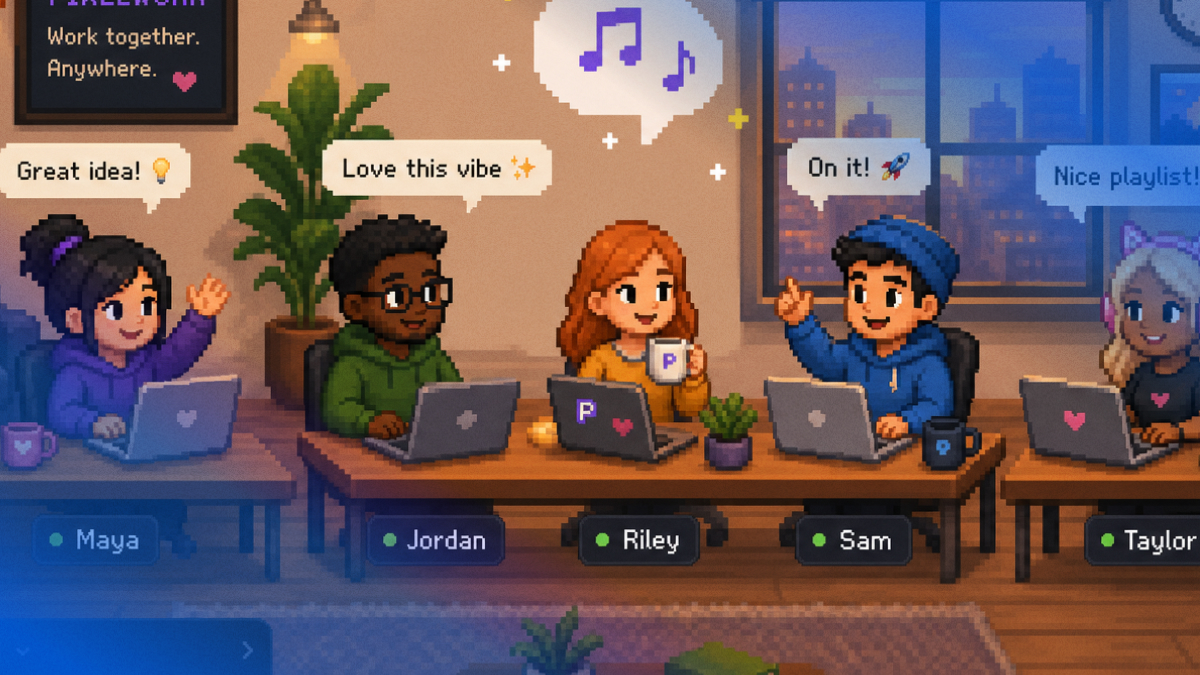
Effective communication is the foundation of any successful distributed workforce. As of 2026, organizations have shifted away from traditional management styles toward more fluid, presence-based interactions. Implementing remote team building activities is no longer just about occasional social gatherings; it is about creating a consistent environment where team members feel visible and connected. By integrating tools like Hurbly.ai, companies can bridge the gap between physical distance and digital presence, making daily interactions feel more natural and less forced.
To foster a healthy culture, remote team building activities should focus on reducing the friction of digital communication. When employees can see who is available or focused in real-time, they are more likely to engage in spontaneous conversations. This visibility mimics the "water cooler" effect found in physical offices, where brief, unplanned chats often lead to innovative ideas and stronger interpersonal bonds. Moving beyond scheduled video calls allows for a more organic flow of information across the organization.
Structuring Daily Interactions for Better Engagement
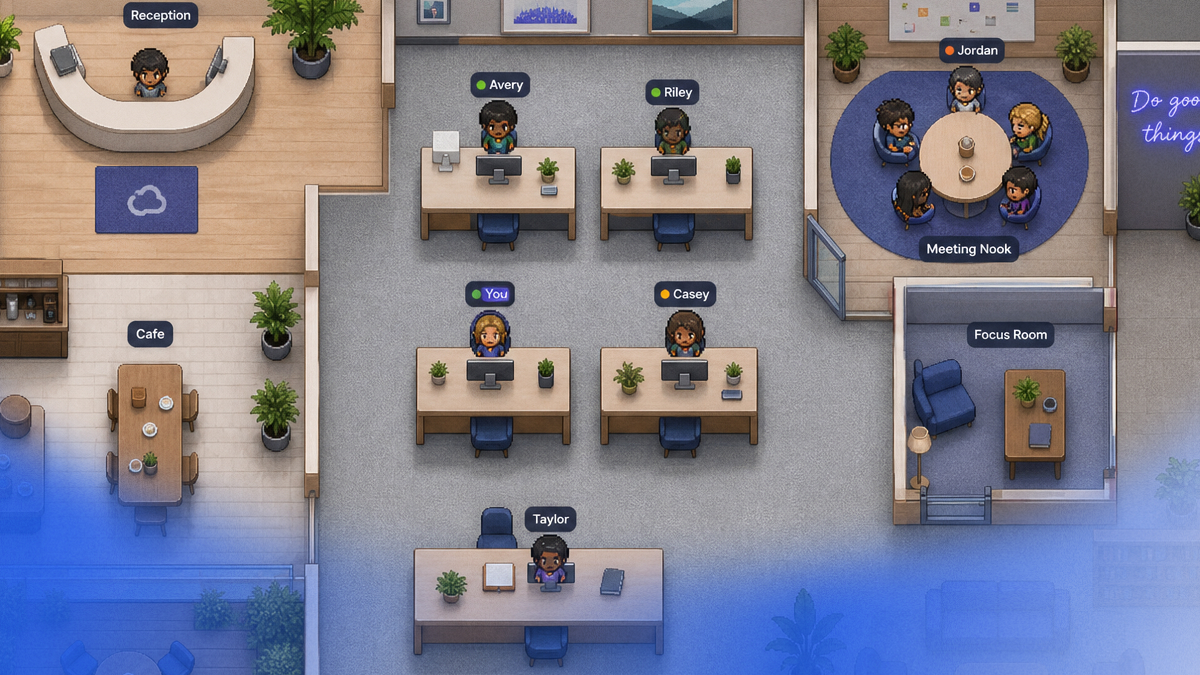
The most successful remote team building activities are those integrated into the daily workflow rather than treated as separate, mandatory events. When teams use a virtual office platform to signal their status—such as being in a deep work session or open for a quick chat—it creates a transparent atmosphere. This transparency allows colleagues to respect each other's time while remaining accessible for collaborative needs. Such a setup ensures that team members do not feel isolated, even when working from different time zones.
Structured remote team building activities can be categorized into three main types to ensure a balanced approach to team health:
- Synchronous Socials: Real-time events like virtual coffee breaks or multiplayer problem-solving games that require active participation.
- Asynchronous Connections: Shared digital spaces where team members contribute to a common goal or discussion at their own pace.
- Presence-Based Collaboration: Using real-time visibility tools to facilitate "walk-up" conversations and instant audio chats without the need for calendar invites.
Benefits of Real-Time Presence in Distributed Teams
Integrating real-time presence into your remote team building activities significantly reduces the "meeting fatigue" often associated with distributed work. Instead of scheduling a 30-minute call for a two-minute question, team members can use Hurbly.ai to see if a colleague is free and initiate a quick audio interaction. This immediacy helps maintain momentum and prevents the delays caused by waiting for email or chat replies.
| Benefit | Impact on Remote Teams | Role in Team Building |
|---|---|---|
| Visibility | Reduces feelings of isolation among remote staff. | Enhances remote team building activities by showing "who is around." |
| Spontaneity | Encourages informal knowledge sharing and quick fixes. | Replicates the natural social flow of a physical office. |
| Transparency | Clarifies who is busy, focused, or available for help. | Builds trust through clear availability signals. |
| Efficiency | Eliminates the need for excessive scheduled meetings. | Keeps remote team building activities light and integrated. |
How to Implement Sustainable Remote Team Building Activities
To implement sustainable remote team building activities, leadership must prioritize psychological safety and accessibility. This means choosing tools that do not feel like surveillance but rather like a shared workspace. By using a virtual office environment, managers can lead by example—showing their own availability and participating in informal chats. This behavior signals to the rest of the team that it is acceptable to take breaks and engage with coworkers socially.
- Define the Goal: Determine if the activity is meant for skill-sharing, social bonding, or improving a specific workflow.
- Select the Right Platform: Use Hurbly.ai to provide the digital "floor plan" where these activities can occur naturally.
- Encourage Micro-Interactions: Focus on short, frequent remote team building activities rather than long, monthly marathons.
- Gather Feedback: Regularly ask the team which types of interactions help them feel most connected and productive.
- Iterate and Adjust: Update the frequency and style of remote team building activities based on the team's evolving needs in 2026.
Improving Long-Term Collaboration and Retention
The long-term success of a distributed organization depends on how well it maintains its culture over time. Engaging in consistent remote team building activities helps prevent burnout by providing social outlets and reducing the stress of coordination. When employees feel they are part of a living, breathing office—even a virtual one—their job satisfaction and retention rates tend to increase. This is particularly important for freelancers and contractors who may otherwise feel disconnected from the core team.
Finally, the most effective remote team building activities are those that empower the individual. When a platform allows a user to toggle between "Focused" and "Available" modes, it gives them control over their digital environment. This balance of autonomy and connectivity is the hallmark of a mature remote culture. By focusing on presence and ease of access, companies can ensure that their remote team building activities contribute directly to a more cohesive and efficient workforce.