Understanding the Landscape of Remote Work Companies in 2026

In this article

Understanding the Landscape of Remote Work Companies in 2026
The global workforce has undergone a permanent shift toward distributed models, making the operational structure of remote work companies a primary focus for business efficiency. In 2026, the success of these organizations depends on how well they bridge the gap between physical distance and digital presence. Unlike traditional office settings, remote work companies must implement specific digital frameworks to maintain high levels of productivity while ensuring that team members do not feel isolated or disconnected from their peers.
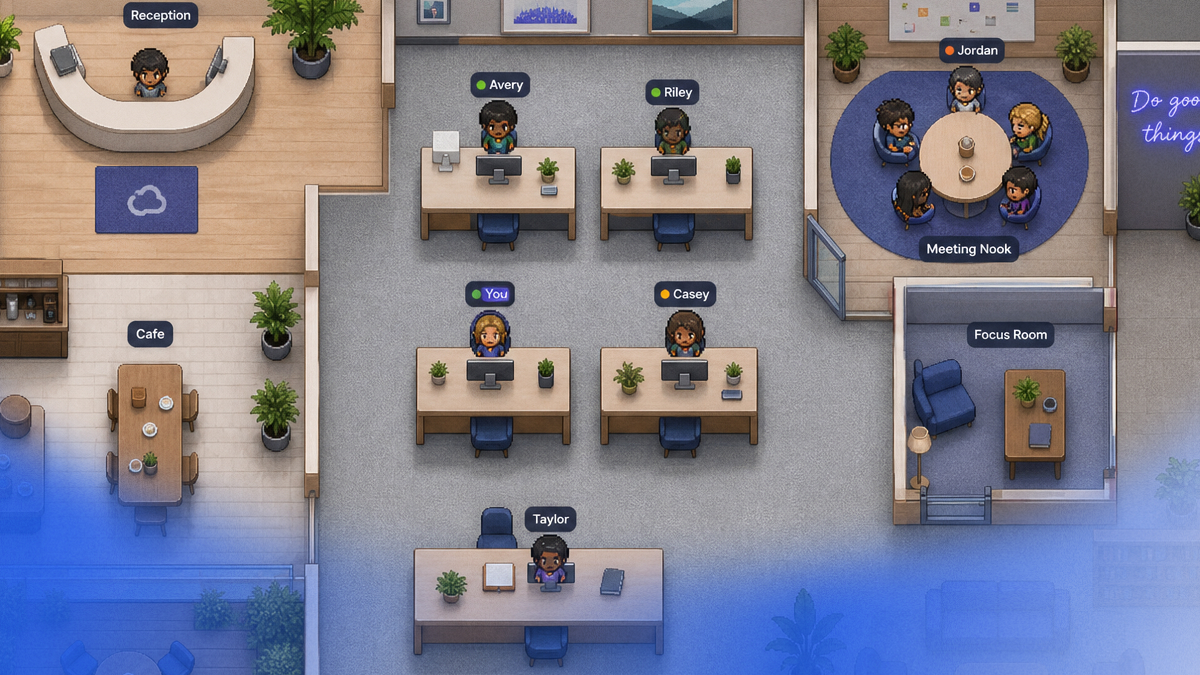
Effective management within remote work companies requires a move away from constant, scheduled meetings toward more fluid, real-time interactions. By utilizing platforms like Hurbly.ai, these organizations can replicate the spontaneous communication found in physical offices. This approach allows remote work companies to reduce "meeting fatigue" by providing clear visibility into who is currently busy, who is available for a quick chat, and who is deeply focused on a task.
How Modern Remote Work Companies Manage Team Presence
Team presence is the foundation of a functional digital workspace. For many remote work companies, the biggest challenge is knowing when to interrupt a colleague without causing a disruption. Modern technology solves this by offering real-time status indicators that go beyond simple "away" or "online" tags. These indicators help remote work companies foster a culture of transparency, where availability is communicated visually through a virtual office interface.
| Feature | Benefit for Remote Work Companies |
|---|---|
| Real-time Status | Prevents unnecessary interruptions during deep work. |
| Instant Conversations | Replaces long email threads with quick voice or video syncs. |
| Visual Office Map | Enhances the sense of belonging and team cohesion. |
| Focus Mode | Signals to the team that a member is unavailable for non-urgent tasks. |
By integrating these tools, remote work companies can streamline their internal operations. Instead of waiting for a calendar invite to be accepted, a team member can see a colleague is free and initiate a brief conversation, mirroring the "desk-side" chat. This agility is what separates high-performing remote work companies from those struggling with communication bottlenecks.
Strategies for Improving Collaboration in Remote Work Companies
Collaboration in remote work companies is often hindered by the friction of scheduling. To overcome this, organizations are adopting "asynchronous-first" mentalities supplemented by "instant-sync" capabilities. This means that while most work happens independently, the ability to connect instantly when needed is always preserved. Hurbly.ai supports this by showing the live pulse of the team, which is essential for remote work companies that operate across different time zones.
To maintain a healthy workflow, remote work companies should follow these steps:
- Define clear communication protocols for different levels of urgency.
- Use visual presence tools to reduce the need for "Are you there?" messages.
- Encourage spontaneous "watercooler" moments to build social capital.
- Audit digital toolsets regularly to ensure they facilitate, rather than hinder, focus.
The relevance of these strategies lies in their ability to humanize the digital experience. When remote work companies invest in the right infrastructure, they see higher employee retention and better project outcomes because the barriers to collaboration are removed.
The Role of Virtual Offices in the Growth of Remote Work Companies
A virtual office acts as the central nervous system for remote work companies. It provides a dedicated digital space where the company culture lives and breathes. For remote work companies, having a centralized platform means that information is not scattered across various messaging apps. Instead, the virtual office provides a spatial context to work, making it easier for new hires to integrate and for veterans to stay aligned with team goals.
As remote work companies continue to evolve in 2026, the focus is shifting toward "presence-based" productivity. This model prioritizes the quality of interactions over the quantity of hours logged. By using Hurbly.ai, remote work companies can ensure that their distributed teams remain as connected and agile as they would be in a physical building. This technological evolution is crucial for any of the remote work companies looking to remain competitive in a talent market that increasingly demands flexibility and high-quality digital environments.