Understanding the Evolution of Remote Work Culture in 2026
In this article

Understanding the Evolution of Remote Work Culture in 2026
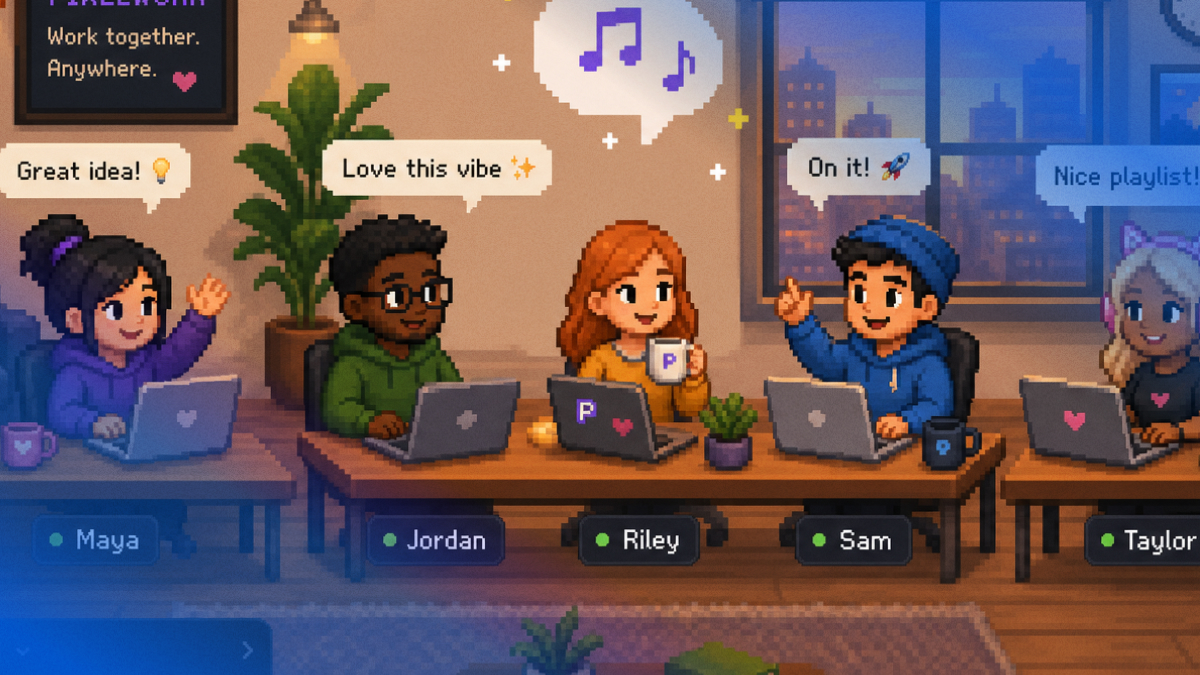
The concept of a professional environment has shifted significantly toward a digital-first approach. A successful remote work culture now relies on transparency and the ability to visualize team dynamics without being physically present in the same room. As organizations move away from rigid, scheduled interactions, the focus has turned to creating a fluid remote work culture that prioritizes spontaneous collaboration and real-time awareness. This shift ensures that employees feel connected to their peers, reducing the isolation often associated with distributed setups.
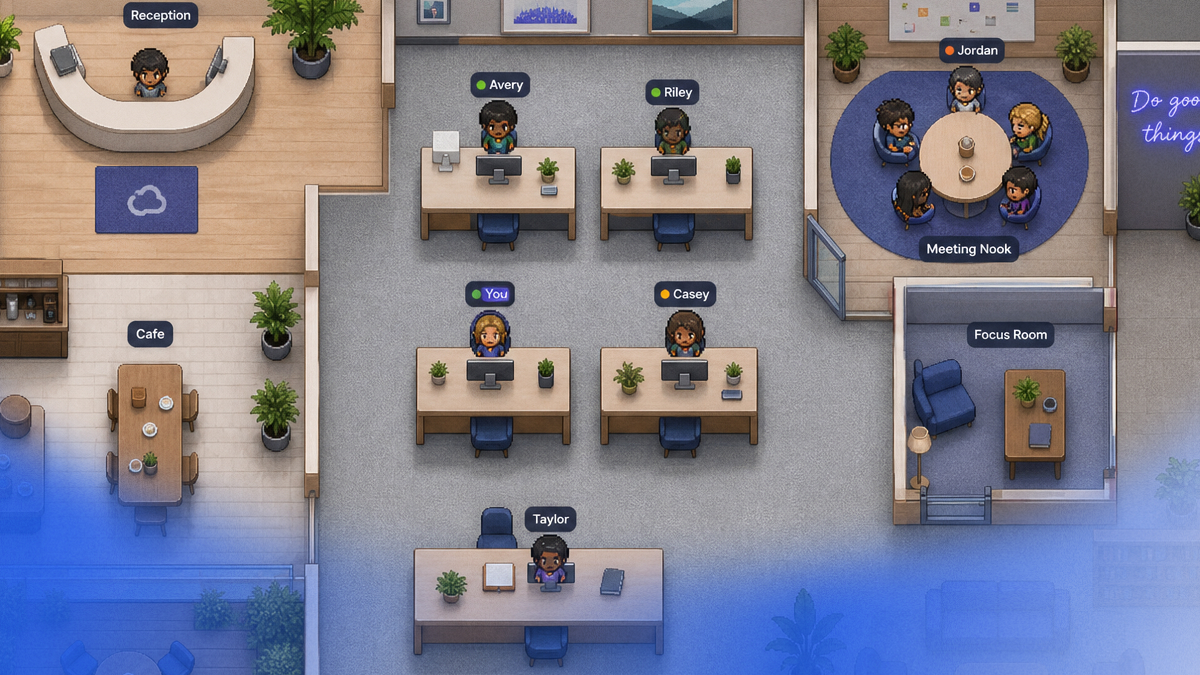
Modern teams utilize specialized tools to bridge the gap between physical and digital spaces. Platforms like Hurbly.ai serve as virtual offices, allowing users to see who is available, busy, or currently in a deep focus session. By integrating these visibility features, a remote work culture becomes more efficient, as team members no longer need to send "Are you there?" messages before starting a conversation. This immediate insight into colleague availability is a cornerstone of a healthy and productive remote work culture.
How Virtual Offices Enhance Team Presence
A virtual office functions by mapping out the digital presence of every team member on a single interface. In a robust remote work culture, this technology provides a visual representation of the workspace, showing active status indicators and current tasks. When a team adopts this level of visibility, the remote work culture improves because it eliminates the guesswork involved in coordination. Instead of relying on cluttered calendars, employees can glance at a dashboard to understand the team's current pulse.
The technical foundation of these platforms involves real-time data synchronization. When an individual enters a meeting or starts a high-concentration task, their status updates instantly across the platform. This automation is vital for a remote work culture as it prevents interruptions and respects individual focus time. By facilitating these boundaries, a remote work culture supports both high-level collaboration and deep individual work without the friction of traditional communication tools.
Benefits of Spontaneous Interaction in Distributed Teams
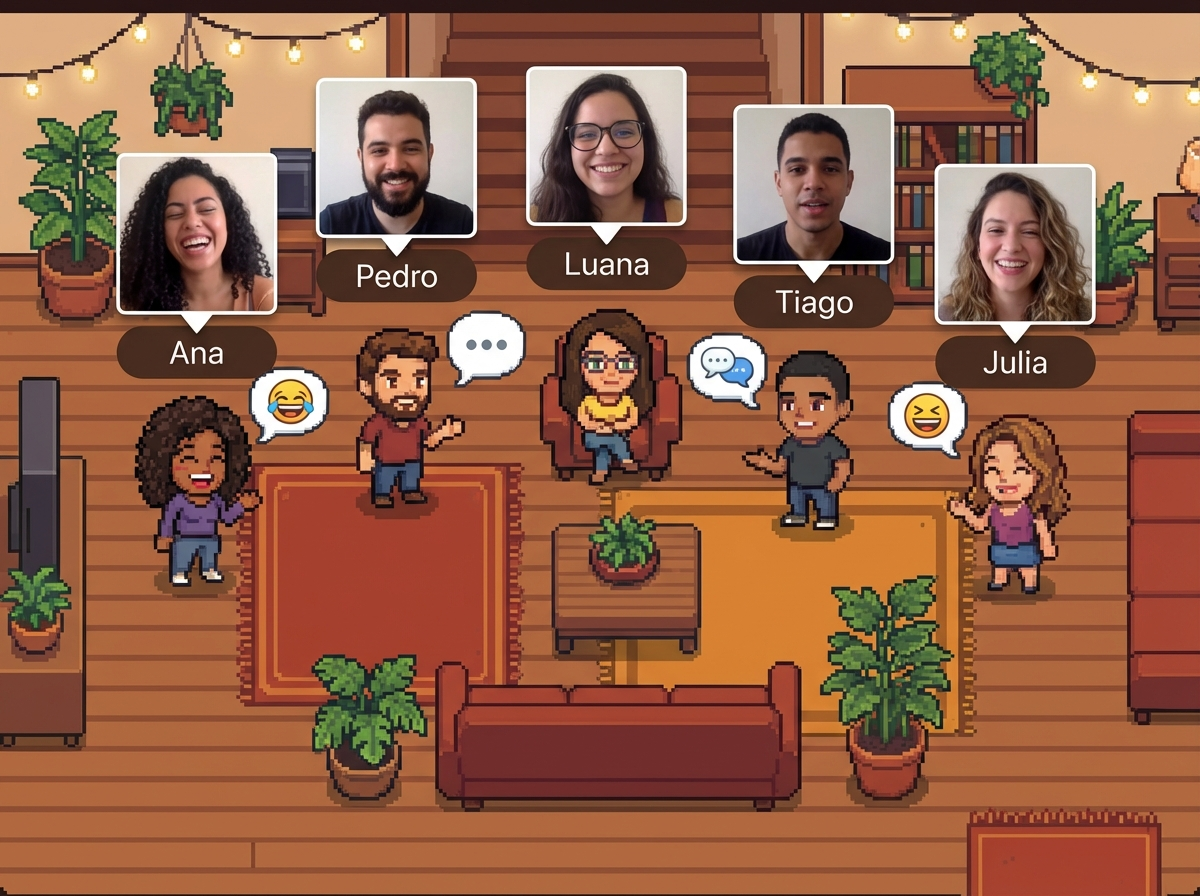
One of the biggest challenges in a remote work culture is the loss of "watercooler moments"— those unplanned chats that often lead to innovative ideas. To counteract this, digital presence tools allow for instant voice or video connections with a single click. This capability transforms the remote work culture from a series of isolated silos into a connected ecosystem. When interactions are easy to initiate, the barriers to seeking help or sharing quick updates vanish, strengthening the overall remote work culture.
The advantages of fostering spontaneous engagement include:
- Reduced reliance on long, scheduled video conferences that cause fatigue.
- Faster resolution of minor issues through quick, informal huddles.
- Increased social cohesion among team members who rarely meet in person.
- A more inclusive remote work culture where information flows naturally.
Optimizing Coordination Across Time Zones
Managing a global team requires a remote work culture that accounts for varying schedules and locations. Digital office platforms provide a centralized "source of truth" regarding who is online at any given moment. This is particularly relevant for freelancers and distributed organizations where traditional 9-to-5 hours may not apply. A well-defined remote work culture uses these tools to ensure that handovers are smooth and that no one feels pressured to be "always on" outside of their local working hours.
| Feature | Impact on Remote Work Culture |
|---|---|
| Real-time Status | Increases transparency and reduces unnecessary messaging. |
| Instant Conversations | Replicates the ease of walking up to a colleague's desk. |
| Focus Mode Indicators | Protects deep work and establishes healthy boundaries. |
| Visual Office Map | Provides a sense of belonging and shared space. |
By implementing these structures, companies can maintain a high-performing remote work culture regardless of physical distance. Tools like Hurbly.ai empower teams to act with the same speed and unity as they would in a physical building. Ultimately, the success of a remote work culture in 2026 depends on the balance between sophisticated technology and the human need for connection and clarity. Sustaining a positive remote work culture requires ongoing attention to how team members interact and share their presence daily.