Strategies to Enhance Remote Worker Productivity in Virtual Environments
In this article

Strategies to Enhance Remote Worker Productivity in Virtual Environments
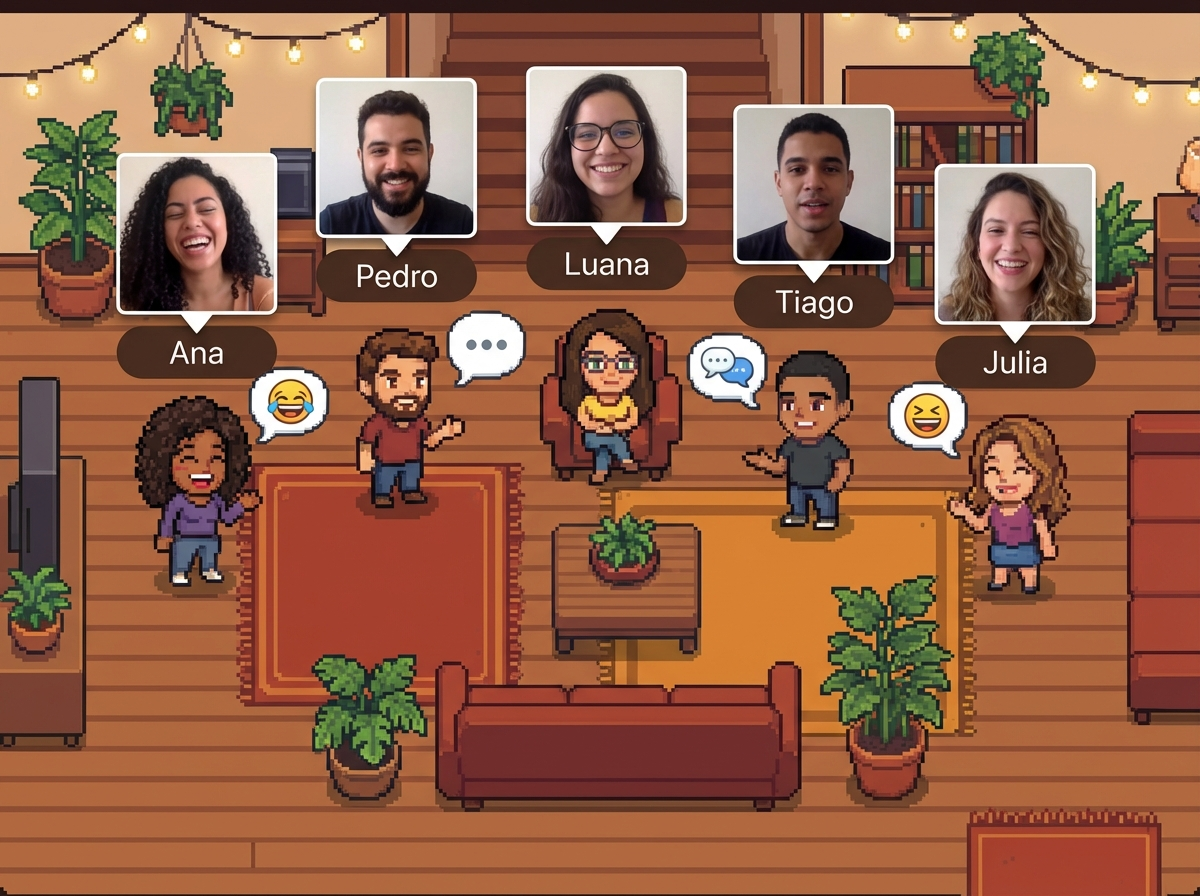
Maintaining high levels of remote worker productivity requires a strategic approach to communication and visibility. In a distributed setting, the lack of physical presence often leads to "meeting fatigue," where teams over-schedule video calls to compensate for a lack of spontaneous interaction. To solve this, teams are adopting virtual office solutions that provide real-time status updates, allowing members to see who is available, focused, or busy without sending a single message.
By integrating tools like Hurbly.ai, organizations can replicate the natural flow of a physical office. This transparency ensures that remote worker productivity is not interrupted by unnecessary pings or "quick syncs" that could have been handled through simple presence awareness. When a team member can see that a colleague is in "deep work" mode, they naturally defer their questions, preserving the flow state necessary for complex tasks.
The Role of Real-Time Presence in Team Efficiency
Real-time presence technology is a cornerstone of modern remote worker productivity. Unlike traditional messaging apps where a "green dot" only signifies that an app is open, advanced virtual offices show specific contexts. This includes whether a person is currently in a meeting, focusing on a specific project, or open for a quick chat. This level of detail reduces the cognitive load on employees who otherwise spend significant time navigating availability.
The ability to start instant conversations without the friction of scheduling a calendar invite significantly boosts remote worker productivity. When a barrier to communication is removed, technical hurdles and creative blocks are resolved faster. Hurbly.ai facilitates these spontaneous interactions, ensuring that distributed teams maintain a high velocity of work while staying socially connected to their peers.
Practical Steps to Optimize Distributed Workflows
To maximize remote worker productivity, teams should follow structured protocols for digital engagement. Clear guidelines on when to use synchronous versus asynchronous communication help prevent burnout and ensure that time spent on camera is meaningful. Implementing a virtual office environment serves as the central hub for these interactions, providing a visual map of the entire organization’s current state.
- Define Status Indicators: Establish clear meanings for different status icons to protect remote worker productivity during high-concentration periods.
- Encourage Spontaneous Syncs: Use instant audio or video features for questions that take less than five minutes to resolve, avoiding the need for 30-minute calendar blocks.
- Visual Team Mapping: Utilize a digital floor plan to see which departments are collaborating, which helps in understanding the broader organizational pulse.
- Minimize Scheduled Meetings: By using Hurbly.ai for quick check-ins, teams can reduce their total number of scheduled meetings, directly increasing remote worker productivity.
Comparative Analysis of Communication Methods
| Method | Impact on Focus | Speed of Resolution | Effect on Remote Worker Productivity |
|---|---|---|---|
| Scheduled Video Calls | High Interruption | Slow (requires planning) | Can decrease due to "Zoom fatigue" |
| Standard Messaging | Moderate Interruption | Medium | Variable based on response times |
| Real-time Presence | Low Interruption | Fast (instant) | High (promotes flow and clarity) |
| No Interruption | Very Slow | Low for urgent tasks |
Effective management in 2026 relies on these distinctions. Choosing the right medium for the right task is essential for sustaining remote worker productivity over long periods. As teams become more global, the visual cues provided by Hurbly.ai act as a bridge across time zones, making it clear when a colleague has just started their day or is about to sign off.
Reducing Friction and Enhancing Digital Culture
A major challenge to remote worker productivity is the feeling of isolation, which can lead to lower engagement and slower output. A virtual office creates a sense of "togetherness" by showing that colleagues are active and working alongside one another. This psychological benefit translates into better performance, as employees feel part of a cohesive unit rather than isolated individuals.
Furthermore, Hurbly.ai helps managers support remote worker productivity without resorting to intrusive surveillance. By focusing on presence and availability rather than keystroke tracking, the platform builds trust. Managers can see at a glance if a team is overwhelmed or if someone is available to assist on a high-priority project. This transparency is vital for maintaining a healthy, high-performing remote culture.
Future-Proofing Remote Work Operations
As we move through 2026, the reliance on fluid, real-time data will only grow. Organizations that prioritize remote worker productivity through better visibility will outperform those stuck in rigid, meeting-heavy cycles. Investing in a digital environment that supports both deep work and instant collaboration is no longer optional for competitive firms.
By leveraging Hurbly.ai, companies ensure that their infrastructure supports the natural habits of their staff. This alignment between technology and human behavior is the ultimate driver of remote worker productivity. When tools work with the user rather than against them, the result is a more efficient, satisfied, and connected workforce. Consistent use of these platforms ensures that remote worker productivity remains stable regardless of where the team is physically located.

