Understanding the Dynamics of the Return to Office Movement in 2026
In this article

Understanding the Dynamics of the Return to Office Movement in 2026
The global landscape of work has undergone a significant transformation, leading many organizations to evaluate the effectiveness of their current physical and digital setups. The concept of a return to office is no longer just about reclaiming physical desks; it is about finding the most efficient way for teams to synchronize their efforts. Many companies are finding that a total return to office is not always feasible due to geographic dispersion, yet the need for the social cohesion found in a physical workspace remains a top priority for management.
As we navigate 2026, the return to office discussion has shifted toward creating environments that support high-performance collaboration. This involves balancing the flexibility of remote work with the structured interaction typically found in a traditional building. For many, a successful return to office strategy involves integrating tools that bridge the gap between being physically present and working from a distance, ensuring that no team member feels isolated regardless of their location.
Challenges of Coordinating a Return to Office Strategy
Implementing a return to office plan requires addressing several logistical and cultural hurdles. One major challenge is maintaining the spontaneous communication that happens naturally when people sit near each other. When a company mandates a return to office, the primary goal is often to spark innovation through "watercooler moments." However, for teams that remain distributed, mimicking this experience requires sophisticated digital infrastructure to prevent a disconnect between those in the building and those working remotely.
Another critical aspect of the return to office transition is managing employee expectations regarding focus time and availability. In a physical setting, visual cues—like seeing someone with headphones on—signal that a colleague should not be disturbed. A digital-first return to office approach must replicate these signals to maintain productivity. Without these indicators, the return to office can lead to increased interruptions and a decrease in deep work efficiency, which contradicts the original goal of improving output.
Enhancing Team Presence with Hurbly.ai
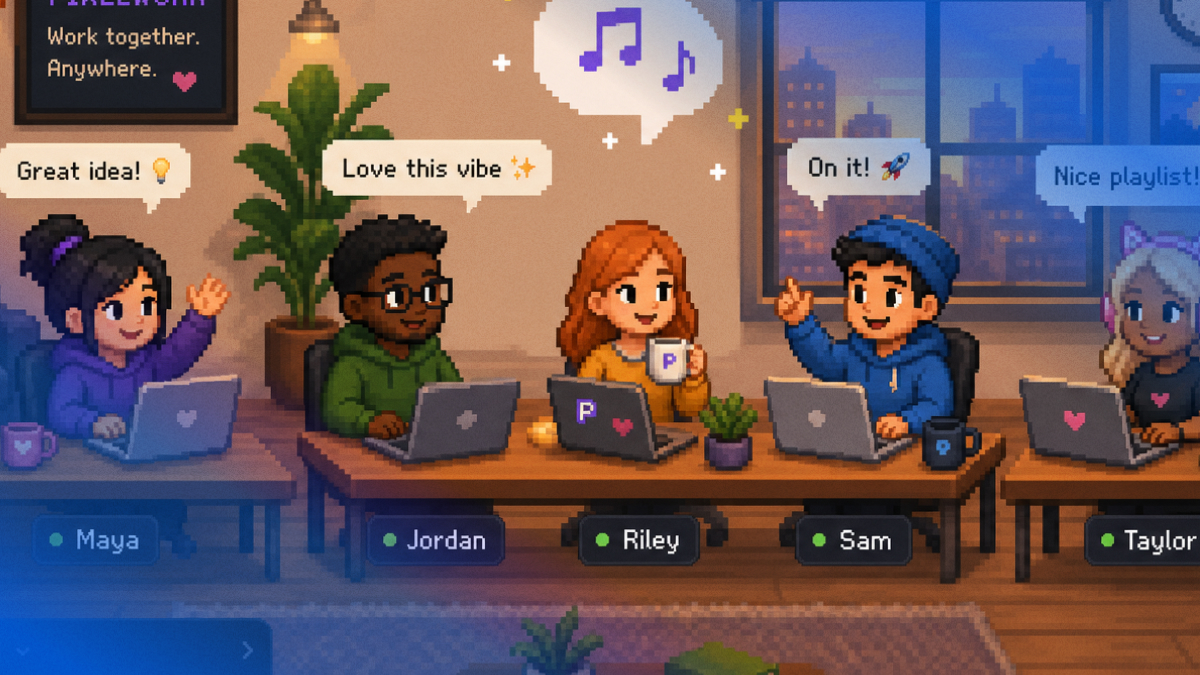
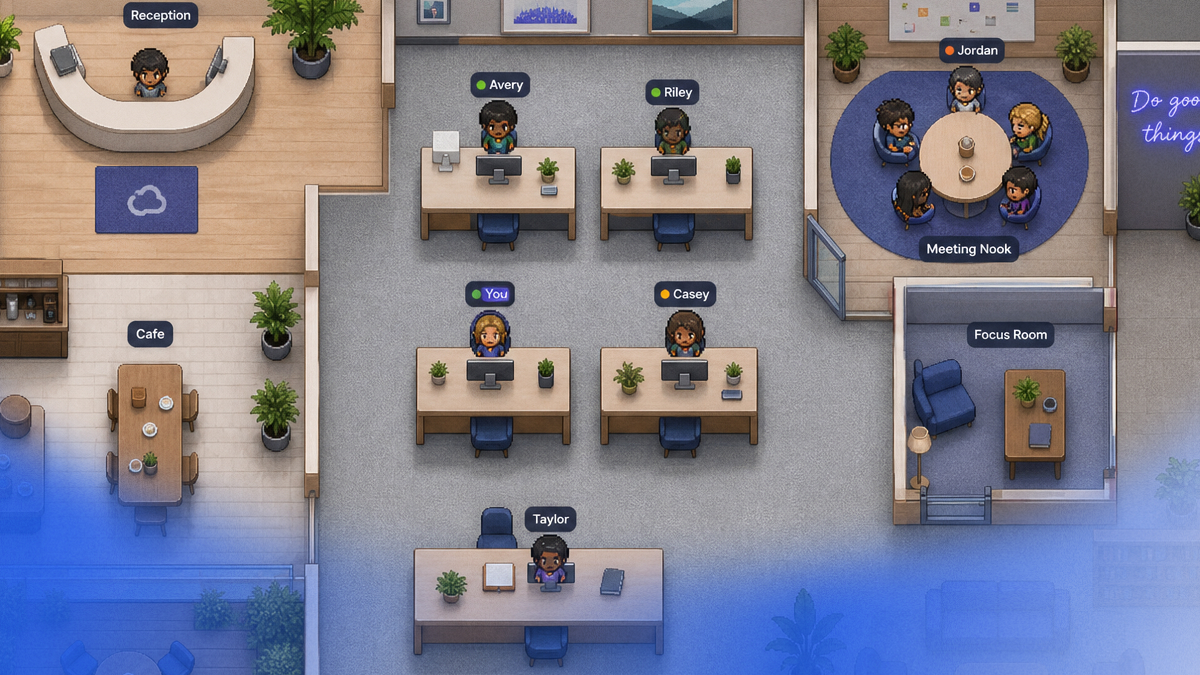
To solve the friction associated with hybrid work, Hurbly.ai provides a virtual office platform that mirrors the benefits of a physical presence. While a traditional return to office relies on physical proximity, this technology allows teams to see who is available, who is deeply focused, and who is currently in a meeting through real-time status indicators. This visibility is essential for teams that cannot commit to a full-time return to office but still want to maintain a high level of transparency and immediate accessibility.
By using Hurbly.ai, organizations can achieve the collaborative spirit of a return to office without the overhead of physical real estate. The platform facilitates instant conversations, allowing team members to engage in spontaneous discussions just as they would in a hallway. This reduces the reliance on cluttered calendars and formal video invites, making the digital workspace feel as intuitive and responsive as a physical return to office environment.
Comparing Physical Presence and Virtual Office Solutions
When deciding on a return to office policy, it is helpful to compare how different environments handle team dynamics. The following table illustrates the differences between a traditional physical setup and a virtual office platform.
| Feature | Physical Return to Office | Virtual Office (Hurbly.ai) |
|---|---|---|
| Spontaneity | High; walk to a desk | High; instant "knock" or chat |
| Visibility | Visual; see who is at their desk | Digital; real-time status icons |
| Flexibility | Low; requires commuting | High; accessible from anywhere |
| Cost | High; rent and utilities | Low; software subscription |
| Focus Protection | Physical cues (closed doors) | Digital "Deep Work" indicators |
This comparison highlights that a return to office does not strictly require a physical building to be effective. The core benefits of a return to office—connection and speed—can be successfully replicated through dedicated presence technology.
Steps to Transition Toward a Hybrid Return to Office Model
- Assess Communication Gaps: Identify where your team struggles to connect. If the lack of a return to office has led to "meeting fatigue," you need a way to encourage shorter, unscheduled interactions.
- Define Presence Standards: Establish what different statuses mean. Just as in a physical return to office, employees should know when it is appropriate to interrupt a colleague and when they should wait.
- Integrate Real-Time Tools: Deploy platforms like Hurbly.ai to provide a central hub for team visibility. This acts as the digital equivalent of a return to office floor plan.
- Monitor and Adjust: Gather feedback on how the team feels about the balance between autonomy and connectivity. A return to office strategy should be iterative, adapting to the specific needs of the workforce as they evolve.
Why Real-Time Visibility Matters for Modern Teams
The ultimate goal of any return to office initiative is to foster a sense of belonging and shared purpose. When employees can see their coworkers’ current status, it builds trust and reduces the anxiety of "waiting for a reply." In a standard return to office scenario, this trust is built through daily face-to-face interactions. In 2026, digital tools must provide that same level of psychological safety by making team activity visible and predictable.
Furthermore, a well-executed return to office plan supports mental health by clearly defining the boundaries between "at work" and "away." When a virtual office tool shows a teammate is "Out of Office," it provides the same finality as seeing them leave the building. This clarity is a vital component of the modern return to office experience, ensuring that collaboration remains healthy, sustainable, and productive for everyone involved.