Strategies for Effective Risk Mitigation in Remote Team Management

In this article

Strategies for Effective Risk Mitigation in Remote Team Management
Effective remote collaboration requires a structured approach to identifying and neutralizing potential operational threats. In 2026, the digital landscape demands that organizations prioritize risk mitigation to ensure data security and maintain high productivity levels. By implementing clear communication protocols and using advanced presence tools, teams can address vulnerabilities before they escalate into significant business disruptions.
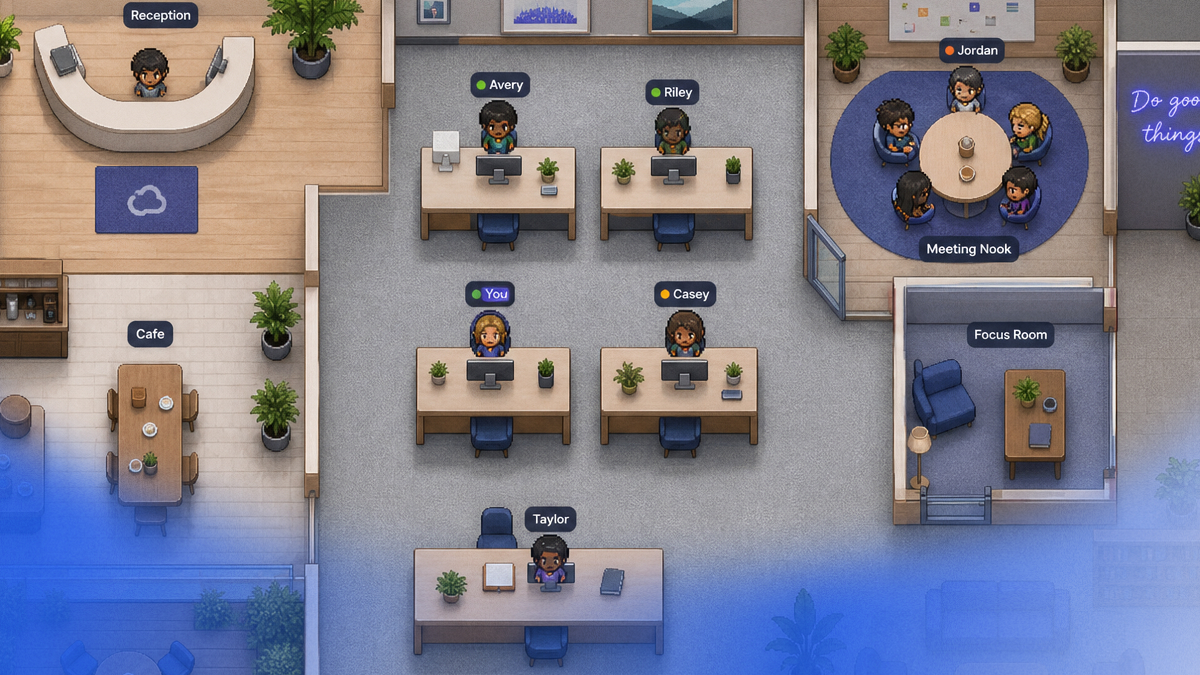
Modern risk mitigation involves more than just technical safeguards; it encompasses the psychological and social aspects of remote work. When team members feel isolated or disconnected, the risk of burnout and miscommunication increases. Utilizing platforms like Hurbly.ai helps in risk mitigation by providing real-time visibility into team availability. This transparency reduces the friction of coordination and ensures that managers can identify when a team member might be overwhelmed or under-supported.
Strengthening Operational Security Through Risk Mitigation
Information security remains a top priority for distributed organizations. A robust risk mitigation strategy must include end-to-end encryption, multi-factor authentication, and regular security audits. Because remote employees often access company resources from various networks, the potential for data breaches is higher. Consistent risk mitigation practices ensure that every access point is monitored and that employees are trained to recognize phishing attempts or social engineering tactics.
Beyond technical security, operational risk mitigation focuses on the continuity of workflows. If a critical team member is unavailable, the project should not stall. By maintaining a digital presence environment, such as the one offered by Hurbly.ai, teams can see who is online and capable of assisting in real-time. This visibility serves as a form of risk mitigation against project delays caused by information silos or communication gaps.
Enhancing Team Collaboration and Presence
Maintaining a cohesive culture is a vital component of long-term risk mitigation. When teams lose the spontaneous interaction of a physical office, innovation can suffer. To combat this, organizations use virtual office platforms to replicate the "walk-by" interaction. This proactive risk mitigation prevents the erosion of team trust and ensures that informal knowledge sharing continues to happen naturally, even across different time zones.
| Risk Category | Mitigation Action | Impact on Team |
|---|---|---|
| Communication Gaps | Real-time presence indicators | Faster decision-making |
| Information Silos | Centralized documentation | Improved knowledge transfer |
| Employee Burnout | Monitoring workload and focus time | Higher retention rates |
| Data Security | Encrypted communication tools | Reduced legal liability |
Implementing these measures is a continuous process of risk mitigation. Managers should use the data provided by presence tools to balance workloads effectively. For instance, Hurbly.ai allows leaders to see when a team member is in "deep work" mode, which is an essential factor in risk mitigation regarding mental fatigue and quality control.
Practical Steps for Implementing Risk Mitigation
To successfully integrate risk mitigation into daily operations, follow these structured steps:
- Identify Vulnerabilities: Audit current communication tools and identify where delays or security leaks occur.
- Deploy Presence Tools: Use platforms like Hurbly.ai to establish a baseline of team availability and transparency.
- Establish Protocols: Define clear rules for when to use instant chat versus video calls to ensure efficient risk mitigation of time loss.
- Monitor and Adjust: Regularly review team performance metrics and adjust strategies to improve risk mitigation outcomes.
By following these steps, companies can create a resilient environment. The goal of risk mitigation is not to eliminate all risks, which is impossible, but to manage them so they do not hinder the company's core objectives. Utilizing technology to bridge the physical gap between remote workers is a proven method for successful risk mitigation in the modern era.
The Role of Real-Time Visibility in Risk Mitigation
Real-time visibility acts as a primary defense against the common pitfalls of remote work. Without it, managers often resort to "micromanagement," which can lead to employee dissatisfaction. Strategic risk mitigation replaces constant check-ins with passive visibility. When a manager can see that a team member is currently in a meeting or focused on a task through Hurbly.ai, they don't need to interrupt them, which is a subtle but effective form of risk mitigation for productivity.
Finally, the long-term success of any remote organization depends on its ability to adapt. Continuous risk mitigation requires staying updated with the latest collaborative technologies and security trends. By fostering an environment of transparency and instant accessibility, businesses can ensure that their remote workforce remains as effective and secure as any traditional office-based team.