Understanding the Shrug Emoji and Digital Presence in 2026

In this article

Understanding the Shrug Emoji and Digital Presence in 2026
The shrug emoji ¯\(ツ)/¯ has become a fundamental tool in digital communication, representing uncertainty, indifference, or a lack of knowledge about a specific situation. In a professional context, using a shrug emoji often signals that a team member is unsure of a solution or that a particular outcome is beyond their control. As remote work environments evolve in 2026, understanding these subtle visual cues is essential for maintaining clear communication channels within distributed teams.
Digital icons like the shrug emoji serve as a shorthand for complex emotions that are often lost when we are not physically present in the same room. When a colleague sends a shrug emoji in a chat, they are providing immediate context about their mental state or their progress on a task. This type of informal data helps teams navigate the ambiguity that often arises in asynchronous workflows, ensuring that everyone remains aligned even when answers are not immediately available.
How Virtual Offices Enhance Team Visibility
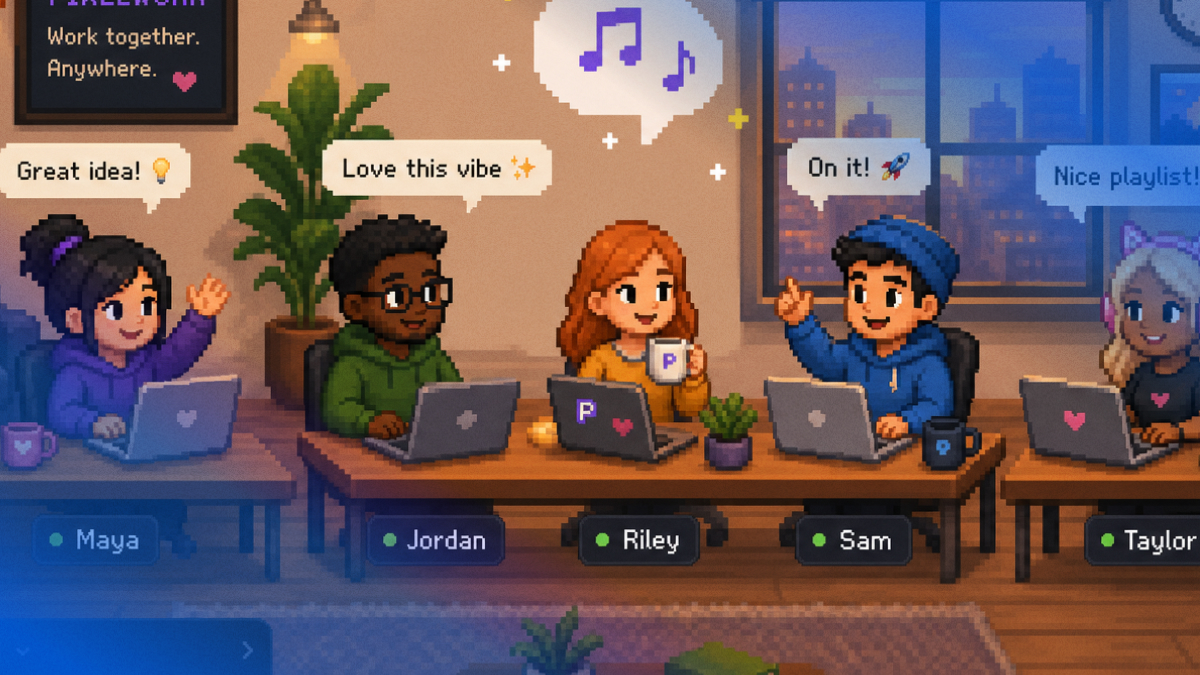
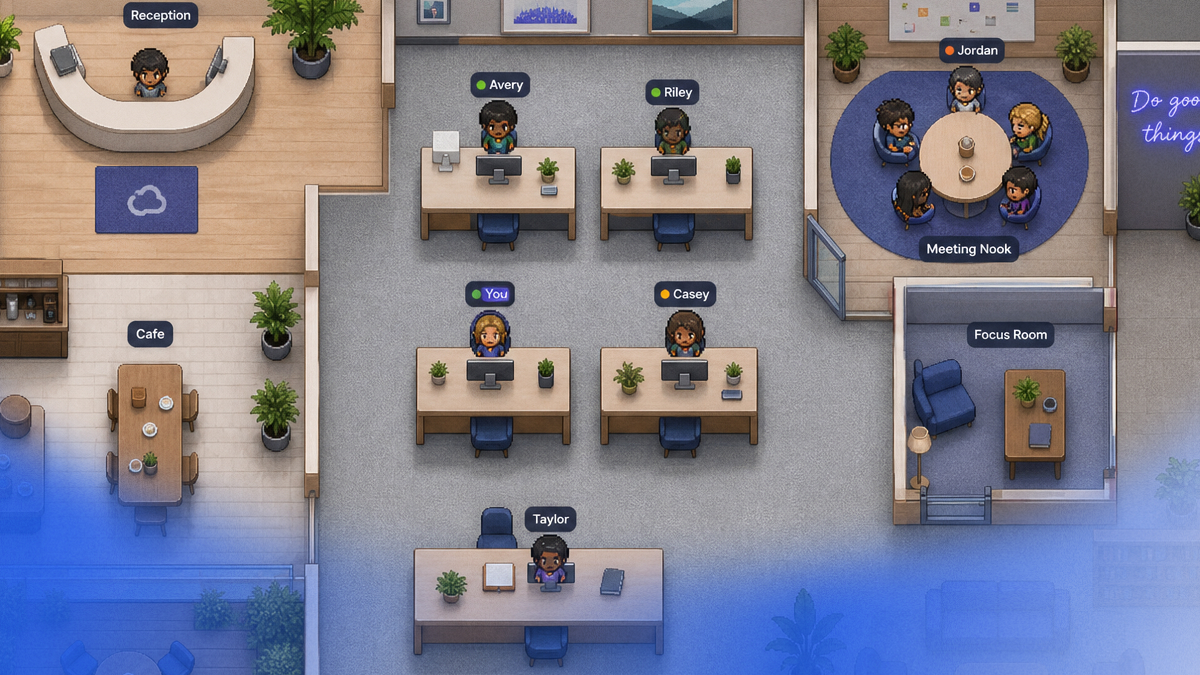
A virtual office platform like Hurbly.ai transforms how teams interact by providing real-time visibility into everyone's status. Instead of wondering if a coworker is busy or simply away from their desk, users can see live indicators of presence. This transparency reduces the need for the shrug emoji in situations where confusion stems from a lack of information. When you can see that a teammate is in a "Deep Work" mode, you no longer have to guess why they aren't responding to your messages.
By replicating the layout of a physical office, these platforms allow for spontaneous interactions that feel natural. If you encounter a problem and find yourself wanting to send a shrug emoji to your manager, you might instead see they are available and hop into a quick, unscheduled audio chat. This immediacy mimics the "desk-side chat" of traditional offices, helping to resolve uncertainties before they become bottlenecks in the production cycle.
Improving Remote Collaboration Through Real-Time Data
Effective collaboration in 2026 relies on more than just video calls; it requires a constant stream of presence data. When a team uses Hurbly.ai, they create a shared digital space where availability is public and verifiable. This environment minimizes the frequency of the shrug emoji used in response to "Are you there?" pings. Instead, the platform provides the following benefits:
- Instant Availability: See who is online and ready to talk without checking a calendar.
- Focus Protection: Identify when team members are in "do not disturb" mode to avoid interrupting their flow.
- Reduced Friction: Start conversations with a single click, eliminating the overhead of scheduling links.
- Contextual Awareness: Know if a colleague is in a meeting or on a break before you reach out.
In many cases, a shrug emoji is the result of a communication breakdown. By providing a visual map of the team, remote organizations can foster a sense of belonging and reduce the isolation that often leads to "I don't know" moments. When people feel connected to their peers, they are more likely to seek help actively rather than resigning themselves to a shrug emoji response.
Comparing Communication Methods in Distributed Teams
| Feature | Traditional Messaging | Scheduled Video Calls | Hurbly.ai Virtual Office |
|---|---|---|---|
| Spontaneity | Low (Text-based) | Very Low (Requires Invite) | High (Instant Interaction) |
| Context | Minimal (Often leads to shrug emoji) | High (During the call only) | Continuous (Real-time status) |
| Effort | Low | High | Low |
| Presence | Hidden | Only during meetings | Always visible |
Choosing the right tool is the difference between a productive day and one filled with confusion. If a developer is stuck on a bug and sends a shrug emoji to their lead, the lead can immediately see their status on the virtual floor plan and join them to troubleshoot. This level of agility is what defines successful remote teams in 2026, as it replaces the "black hole" of traditional chat apps with a vibrant, active workspace.
Why Visual Cues and Status Indicators Matter
The human brain processes visual information much faster than text. While a shrug emoji provides a quick visual cue of uncertainty, a comprehensive presence platform provides a visual cue of the entire organization's health. When you look at your virtual office and see most of the team in a "Meeting" room, you gain an immediate understanding of the day's rhythm. You won't feel the need to send a shrug emoji when your requests aren't answered immediately because the reason is visually obvious.
Furthermore, integrating these tools helps in building a culture of transparency. Instead of a culture where "I don't know" is the default, teams can move toward a culture of "I can see what's happening." Even the most common shrug emoji users find that having a clear view of their colleagues' availability encourages them to engage more frequently and effectively.
Integrating Modern Tools for Better Outcomes
To stay competitive, organizations must adopt tools that facilitate fluid collaboration. Using Hurbly.ai allows teams to maintain the social fabric of an office without the constraints of physical location. If a project reaches a stalemate and the group chat is filled with the shrug emoji, it is a clear sign that a more direct form of interaction is needed. Transitioning from a text-based shrug to a face-to-face digital interaction can unblock tasks in seconds.
- Identify the Gap: Notice when team members are frequently using the shrug emoji to signal confusion.
- Implement Presence: Deploy a virtual office to show real-time availability.
- Encourage Spontaneity: Train the team to use "walk-up" features for quick questions.
- Monitor Engagement: Use the platform to ensure no one is left isolated or perpetually "shrugging" at their tasks.
Ultimately, the goal is to move beyond the limitations of simple icons. While the shrug emoji will always have a place in our digital vocabulary for a quick laugh or a moment of shared frustration, it should not be the primary way we communicate professional roadblocks. By utilizing advanced presence technology, teams can ensure that every shrug emoji is followed by a meaningful connection and a concrete solution.