Effective Strategies for Conducting Skip-Level Meetings in 2026

In this article

Effective Strategies for Conducting Skip-Level Meetings in 2026
Skip-level meetings are a strategic management practice where a senior leader meets directly with employees who report to their direct subordinates. Unlike standard one-on-one sessions, these discussions bypass the middle management layer to foster transparency and gather unfiltered insights from the front lines of the organization. In a modern work environment, skip-level meetings serve as a vital tool for aligning company vision with daily execution, ensuring that high-level goals are understood and implemented across all departments.
The primary function of skip-level meetings is to build trust and open communication channels that might otherwise be obstructed by organizational hierarchy. By engaging in these conversations, senior leaders can identify systemic bottlenecks, recognize high-potential talent, and gain a realistic perspective on the company culture. For employees, skip-level meetings provide a unique opportunity to share feedback directly with decision-makers and understand how their specific contributions impact the broader success of the business.
How to Structure Productive Skip-Level Meetings
To maximize the utility of skip-level meetings, leaders must approach them with a clear framework. These sessions should not be used to micromanage or undermine middle managers; instead, they should focus on organizational health and professional development. A well-structured meeting typically begins with an icebreaker to reduce power dynamics, followed by open-ended questions regarding team morale, resource availability, and process efficiency.
Effective skip-level meetings often follow a specific progression to ensure all critical areas are covered:
- Preparation: Leaders should review the employee’s role and recent achievements to provide context.
- Transparency: Clearly state that the goal of skip-level meetings is information gathering and support, not performance evaluation.
- Inquiry: Use proactive questions such as "What is one thing we could change to make your job easier?" or "Do you feel aligned with our 2026 strategic goals?"
- Feedback Loop: Document insights and ensure that relevant, non-confidential information is shared back with the direct manager to facilitate improvements.
Benefits of Direct Communication in Remote Teams
In the era of distributed work, skip-level meetings are essential for maintaining a sense of belonging and organizational cohesion. When teams are spread across different time zones, the "watercooler effect" disappears, making it harder for senior leadership to gauge the pulse of the workforce. Implementing skip-level meetings helps bridge this gap by creating a dedicated space for human connection that transcends digital barriers.
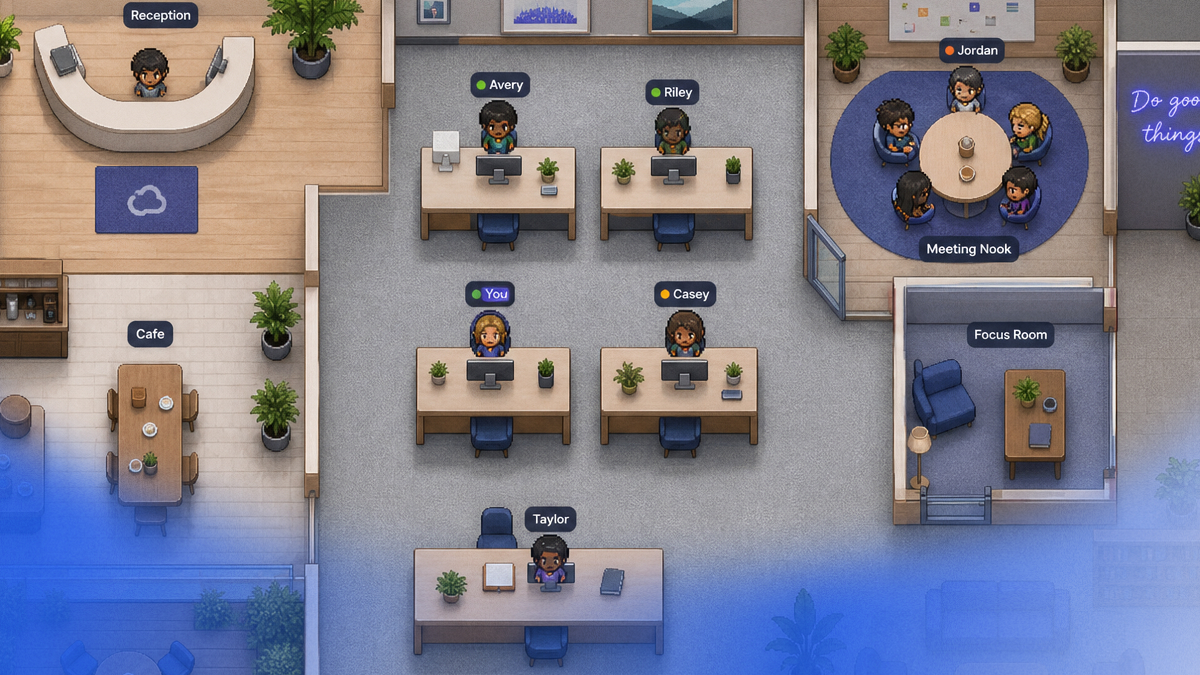
To support these interactions, tools like Hurbly.ai provide real-time visibility into team presence. By knowing when an employee is available or in a "deep work" state, leaders can schedule skip-level meetings at the most opportune times, avoiding disruptions to productivity. This level of transparency ensures that skip-level meetings feel like a natural extension of the workflow rather than an intrusive administrative requirement.
Comparing Communication Methods for Senior Leadership
| Method | Primary Goal | Frequency | Impact on Culture |
|---|---|---|---|
| Skip-Level Meetings | Organizational insight and trust | Quarterly / Bi-annually | High - Builds direct rapport |
| Town Halls | Broad information sharing | Monthly | Medium - Good for alignment |
| Direct One-on-Ones | Performance and task management | Weekly | High - Essential for daily ops |
| Surveys | Quantitative data collection | Annually | Low - Lacks personal connection |
As shown in the table, skip-level meetings offer a unique balance of depth and organizational perspective that other methods cannot replicate. While a Town Hall reaches everyone, skip-level meetings allow for a granular understanding of specific challenges faced by different teams.
Best Practices for Employees During Skip-Level Meetings
Employees often feel nervous when invited to skip-level meetings, fearing they are being tested. However, these sessions are an opportunity to advocate for the team and showcase professional insights. To prepare, employees should think about high-level patterns they have observed in their daily tasks. Bringing constructive solutions to the table during skip-level meetings demonstrates leadership potential and a commitment to the company’s long-term growth.
It is important for employees to remain honest yet professional. During skip-level meetings, focusing on "we" instead of "I" can help highlight team-wide issues that the senior leader has the power to resolve. Using the real-time presence data from Hurbly.ai can also help employees demonstrate how they manage their focus time and collaborate with peers, providing concrete examples of their work habits during the discussion.
Measuring the Success of Skip-Level Meetings
The impact of skip-level meetings should be measured by the actions taken after the conversation. If a leader identifies a recurring software issue or a lack of clarity in a specific department through various skip-level meetings, the success is defined by how quickly those hurdles are removed. Over time, consistent skip-level meetings lead to higher retention rates, as employees feel heard and valued by the highest levels of the organization.
Furthermore, skip-level meetings contribute to a "feedback-rich" environment. When senior leaders model vulnerability and a willingness to listen, it encourages a culture where feedback flows in all directions. By integrating skip-level meetings into the standard leadership rhythm, companies in 2026 can ensure they remain agile, responsive, and deeply connected to their most valuable asset: their people.