Best Slack Alternatives for Remote Team Collaboration in 2026
In this article

Best Slack Alternatives for Remote Team Collaboration in 2026
The landscape of digital communication has evolved significantly by 2026. While instant messaging remains a cornerstone of business operations, many organizations are seeking Slack alternatives that offer more than just chronological chat logs. Modern teams require tools that reduce notification fatigue and provide better context regarding team availability. Selecting the right platform involves evaluating how a tool handles real-time presence, data security, and integration with existing workflows.
Choosing among various Slack alternatives requires an understanding of your team's specific communication friction points. Some teams struggle with the "always-on" expectation of traditional chat, while others find that text-based communication lacks the immediacy needed for creative problem-solving. By exploring different Slack alternatives, companies can find specialized environments that prioritize deep work or spontaneous interaction, depending on their unique cultural needs.
Enhancing Team Presence with Virtual Office Solutions
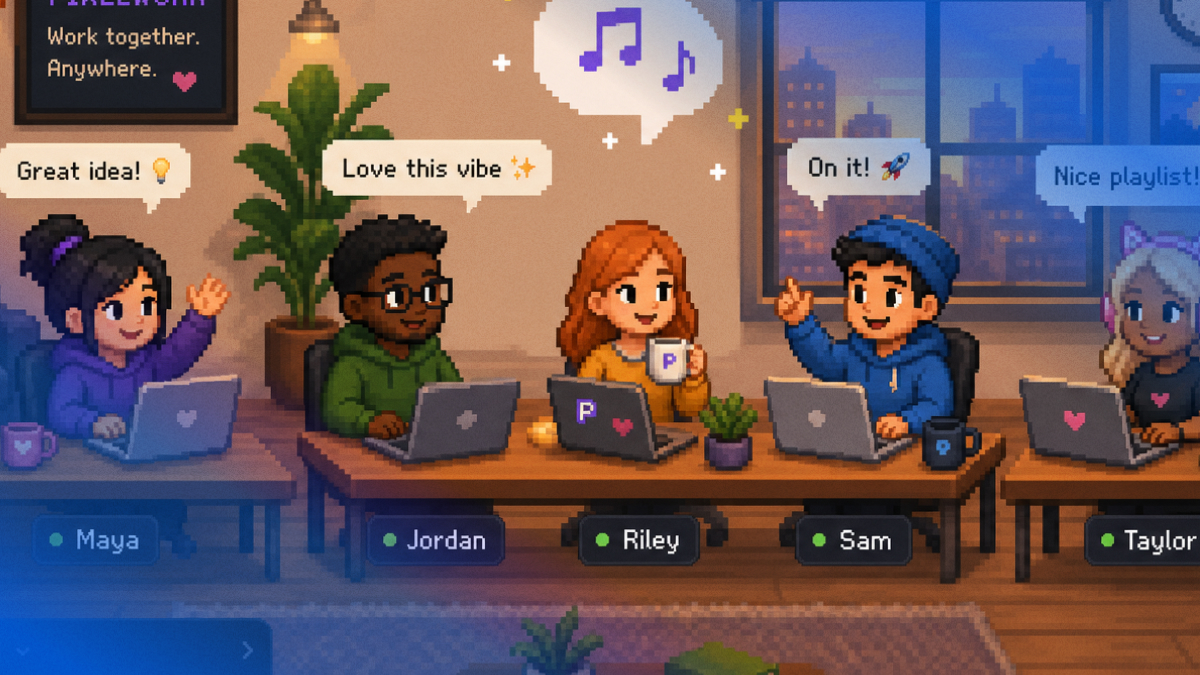
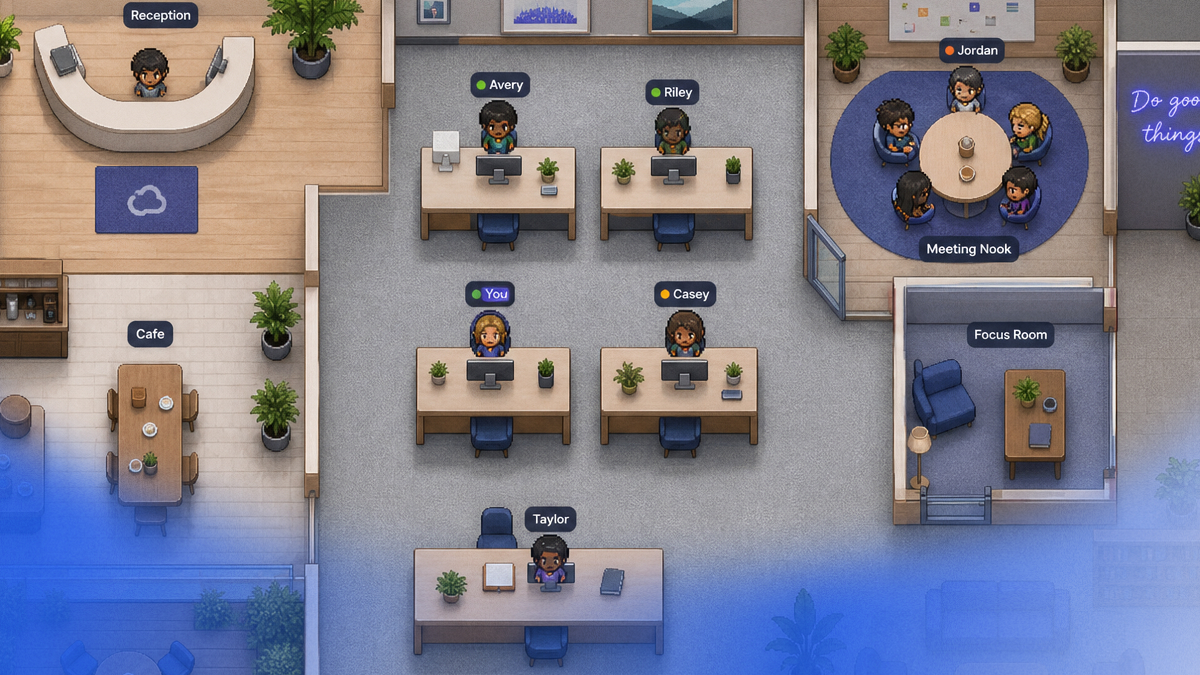
One of the most effective Slack alternatives is the concept of a virtual office. Unlike traditional messaging apps, a virtual office platform focuses on visual presence. Hurbly.ai exemplifies this approach by providing a digital map of your team’s current status. Instead of sending a message and waiting for a reply, users can see at a glance who is at their desk, who is in a deep focus session, or who is already engaged in a meeting.
These types of Slack alternatives function by using real-time technology to replicate the physical proximity of a traditional office. When you can see a colleague’s status, it eliminates the guesswork associated with remote work. This transparency helps reduce the cognitive load on employees, as they no longer have to wonder if they are interrupting someone. By integrating Hurbly.ai into the daily routine, teams can maintain high levels of connectivity without the constant pinging of standard notification-heavy platforms.
Comparing Communication Features in Modern Platforms
When evaluating Slack alternatives, it is essential to compare how different tools handle specific communication tasks. The following table illustrates the differences between traditional messaging and presence-based platforms:
| Feature | Traditional Messaging | Presence-Based Platforms |
|---|---|---|
| Availability | Manual status updates (often outdated) | Real-time automated presence indicators |
| Interaction | Asynchronous text threads | Instant, spontaneous audio/video calls |
| Focus Mode | "Do Not Disturb" toggle | Visual "Deep Work" cues for the whole team |
| Context | Requires asking "Are you free?" | Context is visible through the interface |
| Engagement | High barrier (requires scheduling) | Low barrier (one-click interaction) |
Many Slack alternatives focus on archival search and file storage, but for teams that value agility, visual presence is often more relevant. Tools like Hurbly.ai allow for quick, informal engagements that mimic "watercooler" moments, which are often lost in text-only Slack alternatives.
Why Distributed Teams Are Moving Away from Traditional Chat
The shift toward diverse Slack alternatives in 2026 is driven by the need for better mental health and productivity. Traditional chat platforms often lead to "context switching," where employees lose focus by constantly checking messages. High-quality Slack alternatives address this by organizing communication more logically and providing clear boundaries between active collaboration and individual focus time.
Remote and distributed teams find that certain Slack alternatives better support their needs for transparency. When a team is spread across time zones, knowing exactly when someone is active becomes crucial. Hurbly.ai supports this by showing who is available in real-time, making it easier to coordinate across different regions without the friction of back-and-forth scheduling.
Implementing a New Communication Strategy
Transitioning to new Slack alternatives involves more than just a software change; it requires a shift in team culture. To successfully implement a tool like Hurbly.ai, teams should follow these steps:
- Identify the primary communication gaps in your current workflow.
- Audit how much time is spent on scheduled meetings versus spontaneous syncs.
- Test Slack alternatives that offer real-time visibility and presence indicators.
- Establish "etiquette" rules for when to use instant talk versus leaving a message.
- Monitor team engagement and adjust the tool's settings to match the team's rhythm.
By focusing on these steps, organizations can move toward Slack alternatives that actually improve the quality of work life. The goal is to create an environment where information flows naturally and barriers to collaboration are minimized.
The Future of Spontaneous Collaboration
As we look at the trajectory of Slack alternatives, the focus is increasingly on reducing "digital friction." This refers to the unnecessary steps required to start a conversation or share an idea. Hurbly.ai reduces this friction by allowing users to start instant conversations without the need for a calendar invite. This immediacy is a hallmark of the most advanced Slack alternatives available today.
Furthermore, the best Slack alternatives provide a sense of belonging. Remote work can often feel isolating, but seeing your colleagues' avatars in a shared digital space helps maintain social bonds. Whether you are a freelancer or part of a large enterprise, choosing Slack alternatives that prioritize presence and ease of access will be a key factor in maintaining a competitive and cohesive team in 2026.