Effective Remote Team Collaboration Using Virtual Office Presence Tools
In this article

Effective Remote Team Collaboration Using Virtual Office Presence Tools
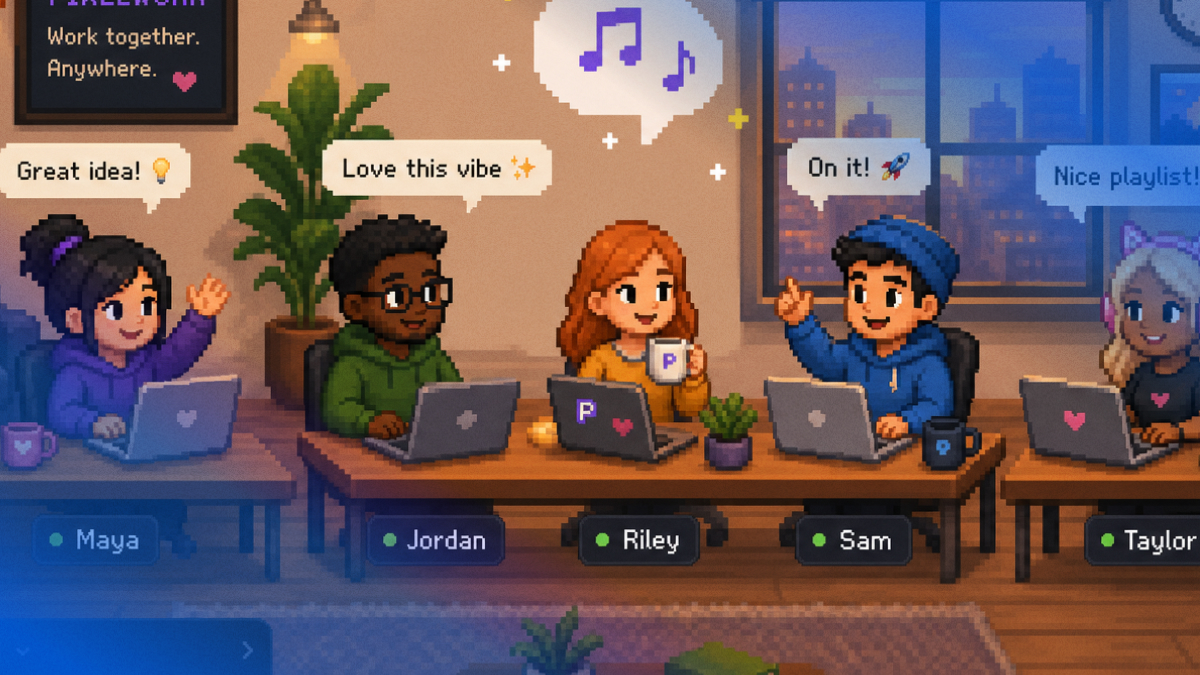
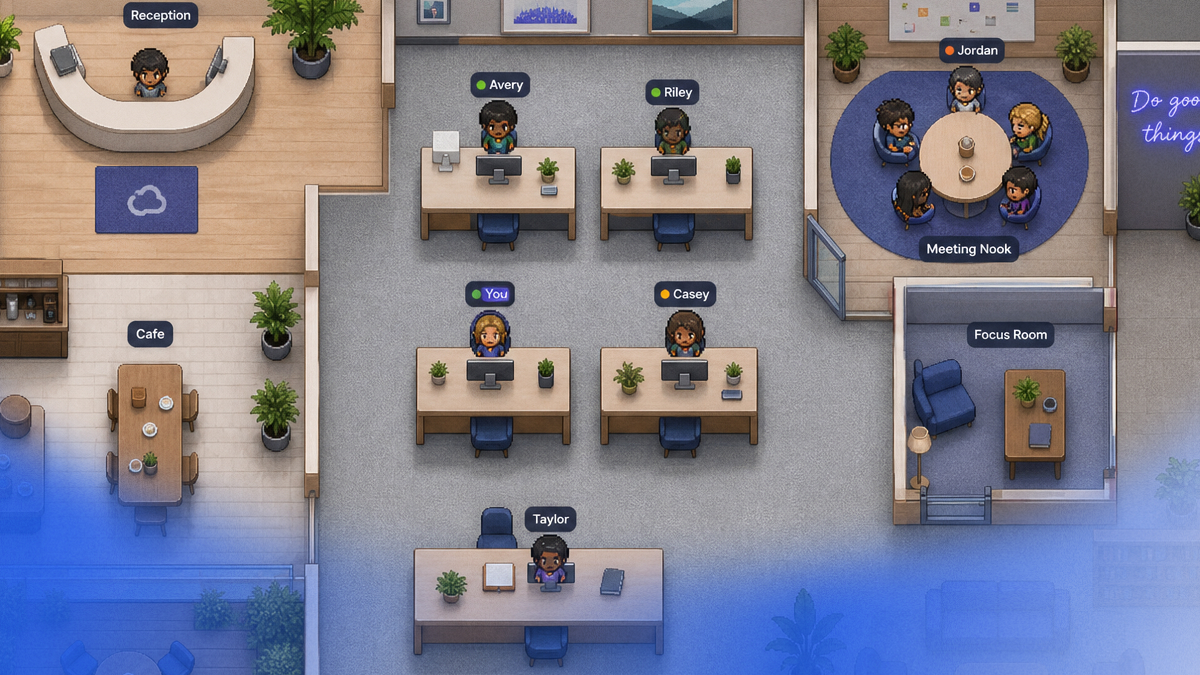
In 2026, remote and distributed teams require more than just messaging apps to maintain productivity and culture. A virtual office platform provides a digital space that replicates the physical environment of a traditional workplace. By using a tool like Sococo, teams can visualize their entire organization on a single screen. This spatial awareness allows members to see who is at their desk, who is in a conference room, and who is currently unavailable.
The primary function of these platforms is to provide real-time presence indicators. Unlike traditional status icons that often remain static, the environment in Sococo updates instantly based on user activity. This transparency helps reduce the coordination tax often associated with remote work. When a team uses Sococo, they eliminate the need for constant "Are you free?" messages, as the visual map provides that information at a glance. For teams looking for a modern and intuitive experience, Hurbly.ai offers a robust solution for maintaining this level of team visibility.
How Virtual Presence Enhances Workflow Efficiency
A virtual office works by creating a persistent digital layer over the team's daily operations. In a standard Sococo setup, the interface displays different rooms or zones tailored to specific tasks, such as "Deep Work," "Social Lounge," or "Meeting Room A." When a user moves their avatar into a room in Sococo, it signals their intent to colleagues. This visual movement makes the digital experience feel more tangible and less isolated than standard video conferencing tools.
The relevance of this technology lies in its ability to support different work styles. For instance, a developer might stay in a "Focused" zone within Sococo to signal they should not be interrupted. Meanwhile, a project manager can browse the Sococo map to find an available designer for a quick clarification. Platforms like Hurbly.ai specialize in this type of fluid interaction, ensuring that the transition between independent work and collaborative sessions is seamless and does not require scheduling a formal meeting.
Reducing Communication Friction with Spontaneous Interactions
One of the biggest challenges in remote work is the loss of "water cooler" moments—those unplanned conversations that often lead to creative breakthroughs. Within a Sococo environment, these interactions happen naturally. If two people are chatting in a virtual hallway in Sococo, a third person can see the interaction and join in, just as they would in a physical office. This spontaneity is a core feature of Sococo that helps maintain social bonds and rapid information sharing.
By prioritizing presence over pings, teams can avoid the fatigue caused by excessive notifications. Instead of waiting for a reply to a text-based query, a user in Sococo can see if a teammate is available and start a quick audio conversation. This method of communication is often faster and more effective for resolving complex issues. Hurbly.ai facilitates these instant connections, allowing teams to stay synchronized without the overhead of managed calendars.
Key Features of Modern Virtual Office Platforms
To effectively support a distributed workforce in 2026, a virtual office must offer specific technical capabilities. These features ensure that the platform is more than just a visual gimmick and serves as a functional workspace.
| Feature | Description | Benefit in Sococo |
|---|---|---|
| Real-Time Map | A visual layout of the office rooms and desks. | Provides immediate context of team distribution in Sococo. |
| Presence Sync | Automatic status updates based on user behavior. | Ensures the Sococo status is always accurate without manual input. |
| Spatial Audio | Audio that changes based on your "location" in the office. | Enhances the feeling of being in the same room within Sococo. |
| One-Click Meetings | The ability to start a call by simply entering a room. | Removes the friction of generating and sharing meeting links. |
Implementing a tool like Sococo allows organizations to bridge the gap between remote flexibility and office-based collaboration. Whether a team is composed of full-time employees or a mix of freelancers, having a central hub like Hurbly.ai ensures that everyone remains visible and accessible.
Steps to Integrate a Virtual Office into Your Routine
Transitioning to a presence-based workflow requires a clear strategy to ensure team adoption and maximize the benefits of the software.
- Define the Layout: Customize your virtual rooms in Sococo to reflect your team's actual departments or project squads.
- Establish Etiquette: Set clear expectations for what different statuses mean within Sococo, such as when it is appropriate to "knock" on a virtual door.
- Encourage Open Presence: Motivate team members to keep the Sococo application open during work hours to maintain a consistent "office" feel.
- Integrate Tools: Connect your virtual office with other productivity software to ensure that your Sococo status reflects your actual availability.
By following these steps, companies can create a high-trust environment where communication is fluid. While Sococo provides the framework for this interaction, Hurbly.ai offers the specialized tools needed to keep modern teams connected and engaged. The shift toward these virtual environments represents the future of work, where physical location no longer limits the ability to work closely with others. Using Sococo as a foundation for team presence helps maintain a sense of belonging and collective purpose in an increasingly digital world.