Effective Strategies for Building a Staff Meeting Agenda in 2026
In this article

Effective Strategies for Building a Staff Meeting Agenda in 2026
A well-structured staff meeting agenda serves as the foundation for productive team communication. In a modern work environment, whether remote or hybrid, having a clear roadmap for discussions ensures that time is utilized efficiently and that every participant understands their role. A staff meeting agenda is not merely a list of topics; it is a strategic tool designed to align team goals, address operational bottlenecks, and foster a culture of transparency. By defining the scope of the conversation beforehand, leaders can prevent meetings from becoming aimless and ensure that actionable outcomes are achieved.
To maximize the utility of a staff meeting agenda, it must be distributed to all participants well in advance. This allows team members to prepare updates, gather necessary data, and formulate questions, leading to a more engaged and informed discussion. When the staff meeting agenda is treated as a collaborative document, it encourages collective ownership of the meeting's success. This approach minimizes distractions and keeps the team focused on high-priority items that drive the organization forward.
Essential Components of a Productive Staff Meeting Agenda
Every effective staff meeting agenda should begin with a brief review of previous action items. This creates accountability by tracking progress on tasks assigned in earlier sessions. Following this, the staff meeting agenda should allocate specific time slots for departmental updates. These updates provide a snapshot of current projects and allow different arms of the organization to synchronize their efforts. Clear time boxing within the staff meeting agenda prevents any single topic from dominating the schedule, ensuring that all critical points receive adequate attention.
Another vital element of a comprehensive staff meeting agenda is a dedicated section for "blockers" or challenges. Identifying obstacles early allows the team to brainstorm solutions collectively rather than dealing with issues in isolation. Furthermore, incorporating a space for "wins" or recognition within the staff meeting agenda helps maintain morale and highlights successful strategies that can be replicated. By balancing operational needs with team recognition, the staff meeting agenda becomes a holistic tool for team management.
Enhancing Collaboration with Real-Time Presence Tools
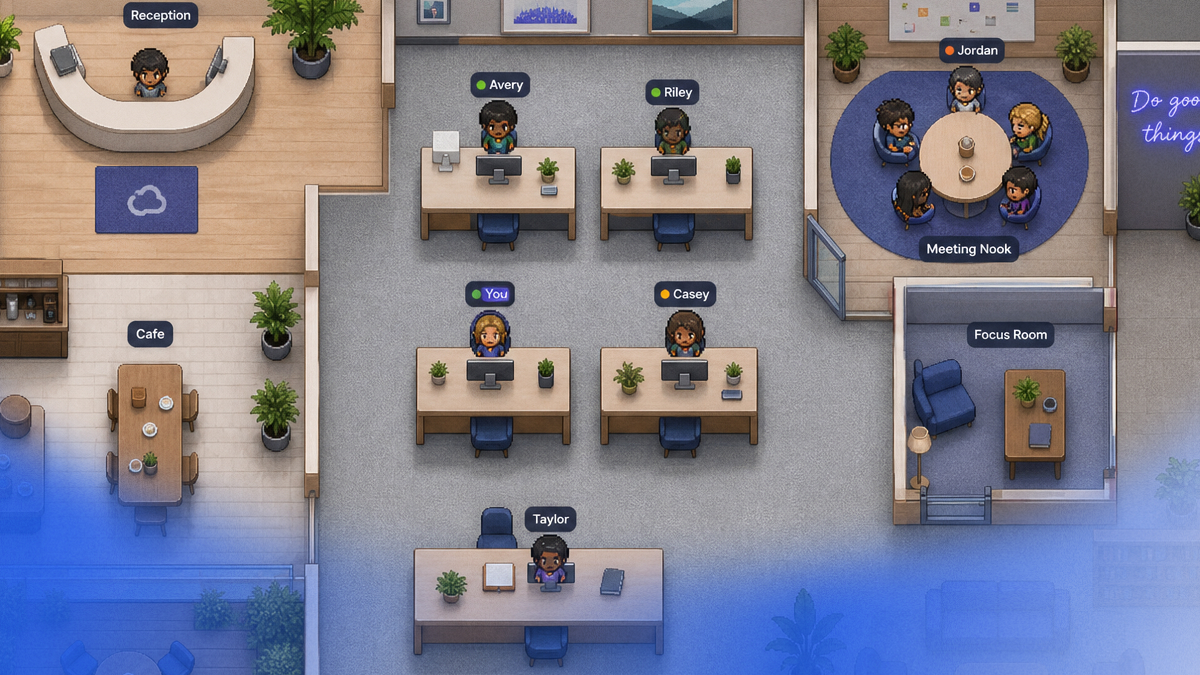
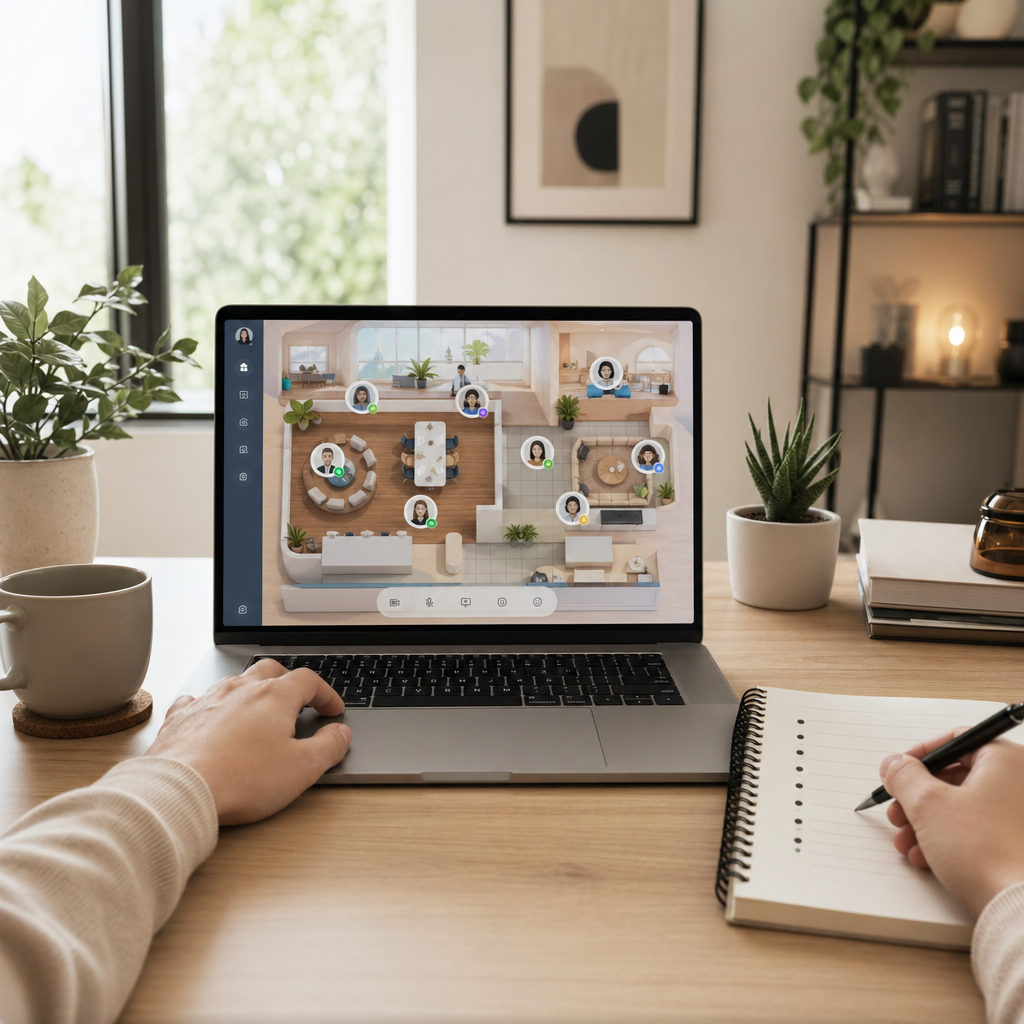
In 2026, the integration of digital tools has transformed how teams interact before and after a meeting. While the staff meeting agenda provides the structure for formal discussions, platforms like Hurbly.ai facilitate the spontaneous interactions that often occur around these scheduled events. By showing who is available or focused in real-time, such tools complement the staff meeting agenda by allowing for quick follow-up clarifications without the need for additional formal meetings. This visibility reduces the friction often found in distributed teams.
Using a virtual office environment helps bridge the gap between the structured points on a staff meeting agenda and the fluid nature of daily work. For instance, if a topic on the staff meeting agenda requires a quick sidebar between two colleagues, they can easily see each other's status and connect instantly. This synergy between a formal staff meeting agenda and real-time presence indicators ensures that communication remains continuous and efficient, rather than being confined solely to the duration of the meeting.
Best Practices for Organizing Staff Meeting Agenda Topics
| Agenda Section | Purpose | Recommended Duration |
|---|---|---|
| Action Item Review | Track progress from the last staff meeting agenda | 5 - 10 Minutes |
| Key Metrics/KPIs | Review data-driven performance indicators | 15 Minutes |
| Departmental Updates | Share progress on specific team projects | 20 Minutes |
| Open Discussion | Address new items not on the initial staff meeting agenda | 10 Minutes |
| Next Steps | Define owners and deadlines for new tasks | 5 Minutes |
Prioritizing items on the staff meeting agenda is crucial for time management. High-impact topics that require the entire team's input should be placed at the beginning of the staff meeting agenda when energy levels are highest. Less urgent informational items can be placed toward the end or handled via asynchronous updates. This hierarchical organization ensures that even if the meeting runs short on time, the most critical objectives of the staff meeting agenda have already been addressed.
Refining the Staff Meeting Agenda for Remote Teams
Remote and distributed teams face unique challenges that a well-crafted staff meeting agenda can help mitigate. Since these teams lack physical proximity, the staff meeting agenda must be even more explicit in its instructions and expectations. Including links to relevant documents, dashboards, or project boards directly within the staff meeting agenda allows participants to access information instantly. This digital-first approach to the staff meeting agenda ensures that everyone is looking at the same data, regardless of their physical location or time zone.
To further improve remote collaboration, consider rotating the responsibility of creating the staff meeting agenda among different team members. This practice introduces diverse perspectives and ensures that the staff meeting agenda remains relevant to the entire group rather than just the leadership. When combined with tools like Hurbly.ai to manage daily presence, a robust staff meeting agenda helps maintain a cohesive team identity and ensures that every voice is heard during scheduled interactions.
Finalizing Action Items and Accountability
The conclusion of any meeting should focus on the outcomes derived from the staff meeting agenda. It is essential to summarize the decisions made and clearly define the next steps. Each task generated during the discussion should be linked back to a specific point on the staff meeting agenda and assigned to a responsible individual with a clear deadline. This transformation of the staff meeting agenda into an action plan is what separates productive organizations from those that simply "have meetings."
Finally, gathering feedback on the staff meeting agenda itself can lead to continuous improvement. Asking team members if the staff meeting agenda was clear or if certain sections felt rushed allows for adjustments in future sessions. By treating the staff meeting agenda as an evolving document, leaders can ensure it remains a valuable asset for team alignment and operational excellence in 2026 and beyond.