Enhancing Remote Collaboration Through Strategic Partnerships and Real-Time Presence

In this article

Enhancing Remote Collaboration Through Strategic Partnerships and Real-Time Presence
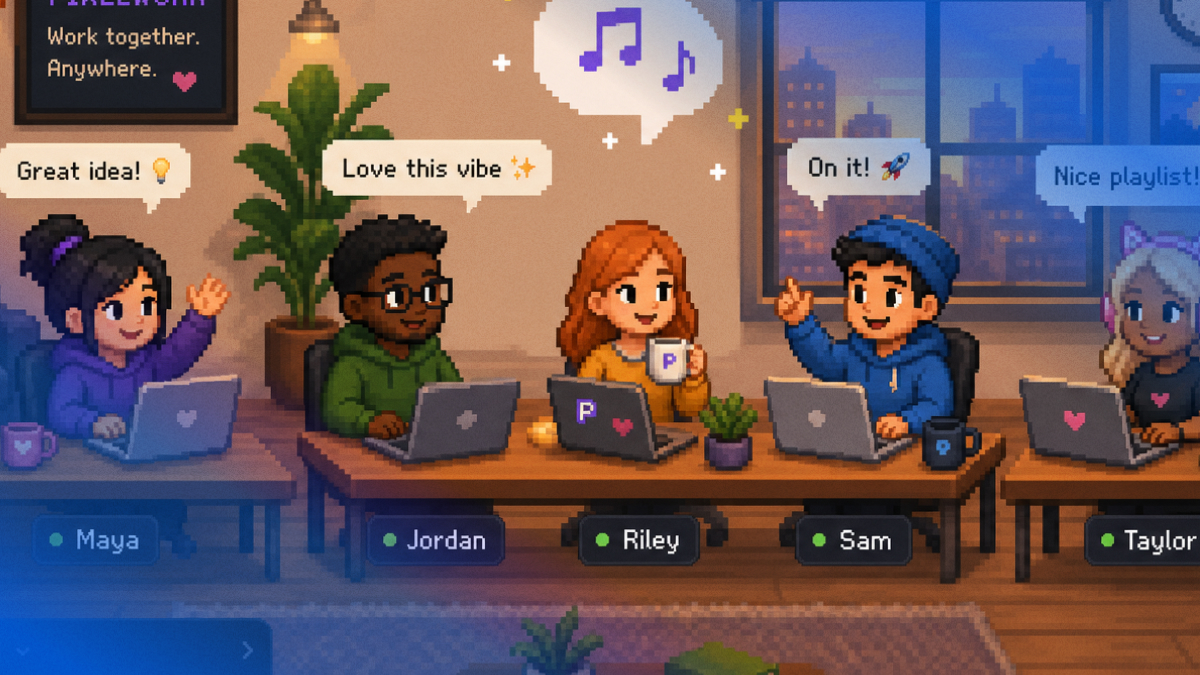
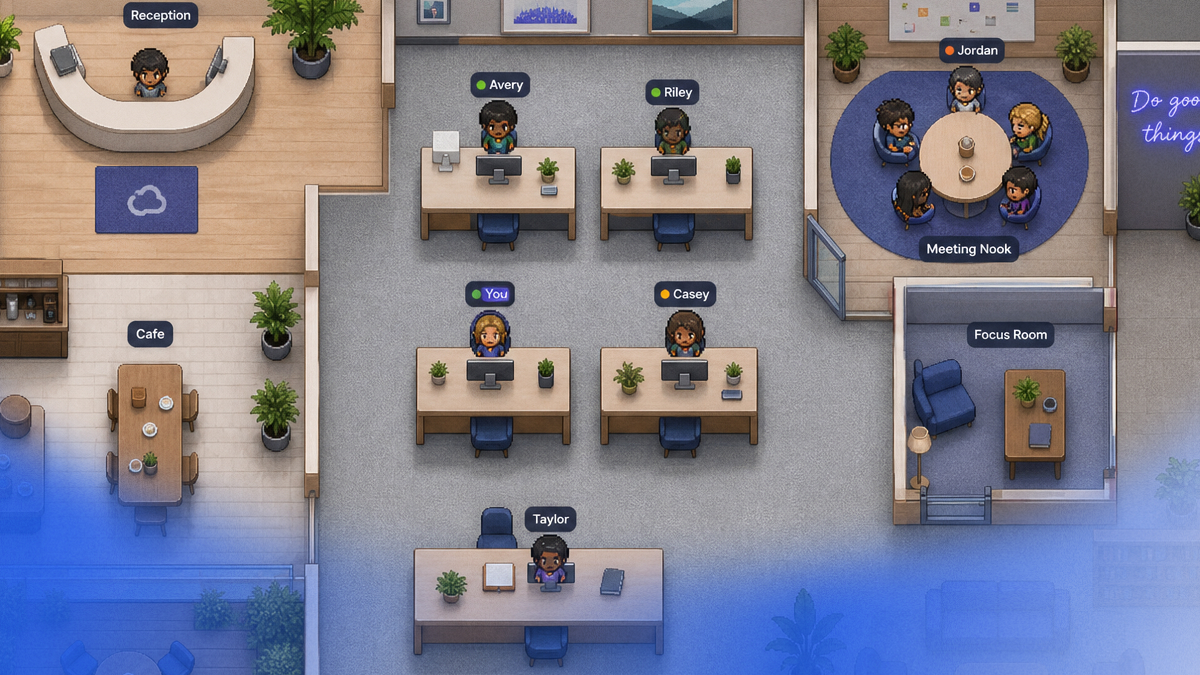
The modern workplace has transitioned into a digital-first environment where maintaining team cohesion is a primary challenge. Virtual office platforms address this by providing real-time visibility into colleague availability, effectively bridging the gap between remote locations. By establishing strategic partnerships with various communication protocols, these platforms allow teams to see who is currently focused, available for a quick chat, or engaged in a meeting. This transparency reduces the friction typically associated with remote work, such as the "ping and wait" cycle found in traditional messaging apps.
Hurbly.ai serves as a central hub for this interaction, replicating the spontaneous nature of a physical office. When organizations prioritize strategic partnerships between their internal workflows and digital presence tools, they create a more fluid operational rhythm. Instead of relying on formal calendar invites for every interaction, team members can initiate instant conversations based on visual cues. This method of working supports a more natural flow of information and helps maintain the social fabric of a distributed workforce.
How Virtual Presence Technology Optimizes Team Workflows
Virtual presence technology works by aggregating status data from various integrated tools and user inputs. Through strategic partnerships with operating systems and productivity software, the platform can automatically detect when a user is sharing their screen or in a "do not disturb" mode. This automation ensures that the status shown is accurate without requiring constant manual updates. For managers, this visibility provides a high-level overview of team capacity and engagement without the need for intrusive micromanagement.
The implementation of these tools often involves the following components:
- Real-time presence indicators (Available, Busy, Away, or Custom Status).
- One-click communication channels for voice or video.
- Spatial awareness features that group team members by project or department.
- Integration layers that form strategic partnerships with existing task management systems.
By utilizing Hurbly.ai, teams can reduce the cognitive load of scheduling. When a developer sees a designer is "Available," they can ask a quick clarifying question immediately. This immediacy is a direct result of strategic partnerships between technology providers and the end-user's need for efficiency. Such interactions mimic "desk drive-bys" in a physical office, which are often where the most agile problem-solving occurs.
The Role of Strategic Partnerships in Scaling Remote Operations
As we move through 2026, the scalability of remote teams depends heavily on how well their tools interact. Developing strategic partnerships between different software ecosystems ensures that data flows seamlessly across the organization. For instance, when a virtual office platform connects with a project management tool, the team's presence can reflect the specific task they are working on. This context-rich environment allows for better-informed outreach and respects the deep-work cycles of colleagues.
| Feature | Impact on Collaboration | Importance of Strategic Partnerships |
|---|---|---|
| Real-time Status | Reduces communication delays | High: Requires sync with calendars and apps |
| Instant Audio/Video | Facilitates spontaneous brainstorming | Medium: Relies on stable infrastructure |
| Visual Office Map | Increases sense of belonging | High: Integrates team structure and hierarchy |
| Activity Insights | Helps in workload balancing | High: Connects with productivity data |
Furthermore, strategic partnerships enable smaller organizations to access the same level of sophisticated infrastructure as large enterprises. By integrating various specialized services, a startup can build a robust virtual headquarters that supports global operations. Hurbly.ai facilitates this by acting as the connective tissue between disparate remote workers, ensuring that no one is isolated despite the lack of a shared physical building.
Benefits of Spontaneous Interaction for Distributed Teams
Spontaneous interaction is often the first thing lost when a company goes remote. However, through strategic partnerships with team-building frameworks, virtual offices can reintroduce these moments. Informal "watercooler" chats or quick sync-ups lead to faster decision-making and higher employee satisfaction. These interactions are not just social; they are functional. They allow for the rapid exchange of tacit knowledge that is rarely captured in formal documentation or scheduled meetings.
The relevance of these tools is underscored by three main factors:
- Transparency: Everyone knows what is happening in the "office" at any given time.
- Accessibility: Lowering the barrier to start a conversation encourages more frequent communication.
- Context: Knowing why someone is busy prevents unnecessary interruptions, fostering strategic partnerships between different departments.
By choosing Hurbly.ai, companies invest in a platform that understands the nuances of human interaction. The goal is to move beyond the limitations of text-based chat. Through strategic partnerships with modern web technologies, the platform provides a low-latency, high-reliability environment where teams can thrive. This approach ensures that the digital workspace is not just a place for tasks, but a space for active, collaborative engagement.
Future-Proofing Remote Work with Strategic Partnerships
Looking toward the future of work in 2026, the integration of presence-based platforms will become standard. Companies that ignore the need for strategic partnerships between their remote culture and their tech stack may struggle with employee burnout and silos. A virtual office provides the structure needed to maintain boundaries while remaining accessible. It allows for a "hybrid" feel even in fully remote settings, giving employees the freedom to choose their level of engagement.
The evolution of these platforms will likely include deeper strategic partnerships with AI-driven analytics to help teams optimize their meeting times and focus blocks. By analyzing patterns of availability, Hurbly.ai can suggest the best times for collaborative sessions, further enhancing productivity. Ultimately, the success of a distributed team lies in its ability to communicate effectively, and strategic partnerships remain the cornerstone of achieving that objective in a digital landscape.