Effective Task Prioritization Strategies for Remote Teams in 2026
In this article

Effective Task Prioritization Strategies for Remote Teams in 2026
Effective management of a digital workspace requires a structured approach to how activities are ranked and executed. Task prioritization is the foundational process of determining the order of operations based on urgency, impact, and available resources. In a remote environment, where physical cues are absent, mastering task prioritization ensures that team members align their daily efforts with broader organizational goals rather than simply reacting to the loudest notification.
To implement successful task prioritization, teams must first categorize their responsibilities. This involves distinguishing between high-value activities that drive progress and administrative duties that maintain operations. By applying logic to the workflow, individuals can allocate their peak energy levels to the most demanding challenges. Tools like Hurbly.ai support this by providing real-time visibility into team status, allowing members to protect their deep-work sessions while remaining accessible for urgent collaborative needs.
Methods for Organizing Workloads and Focus
Several frameworks exist to streamline task prioritization and improve output quality. One common method is the Eisenhower Matrix, which divides work into four quadrants based on urgency and importance. This helps professionals identify which items require immediate action and which can be scheduled for later or delegated. Consistent task prioritization through this lens prevents the "urgency trap," where minor issues consume the time needed for strategic planning.
Another effective technique is the ABCDE method, which assigns a letter grade to every item on a to-do list. In this system, "A" tasks are critical, while "E" tasks are eliminated whenever possible. Using this for task prioritization ensures that no one starts a secondary project before the primary objective is completed. For distributed teams, communicating these priorities is essential to avoid overlaps and ensure that everyone is moving in the same direction without constant supervision.
Enhancing Team Synergy Through Real-Time Presence
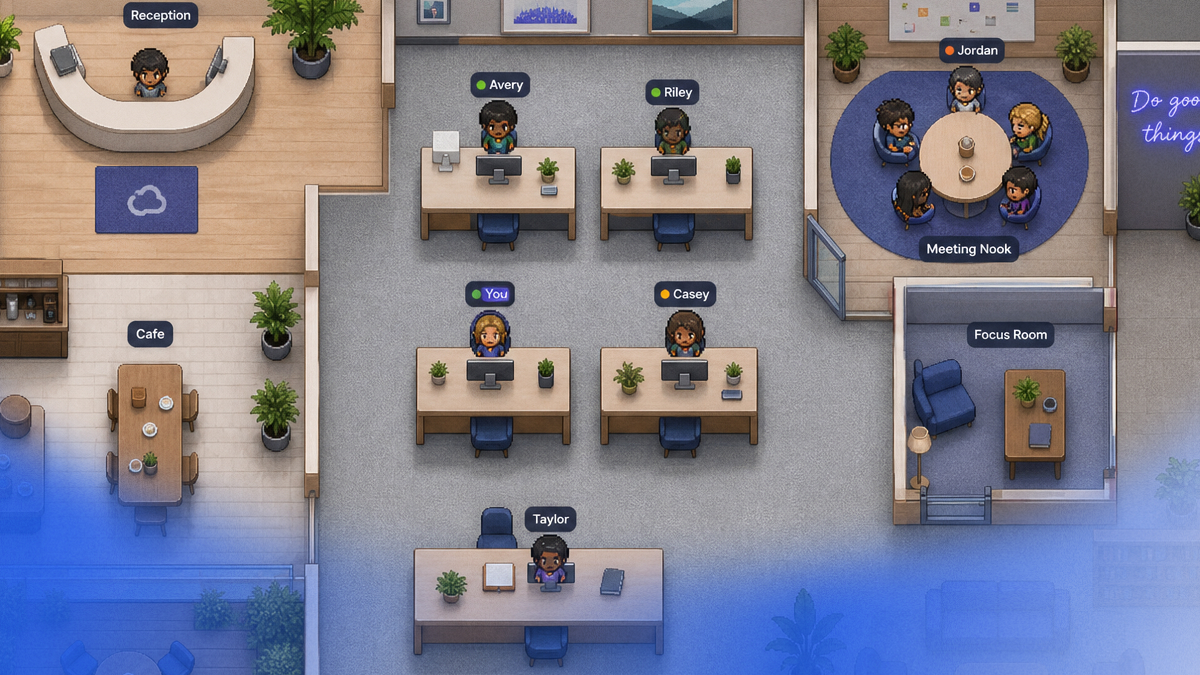
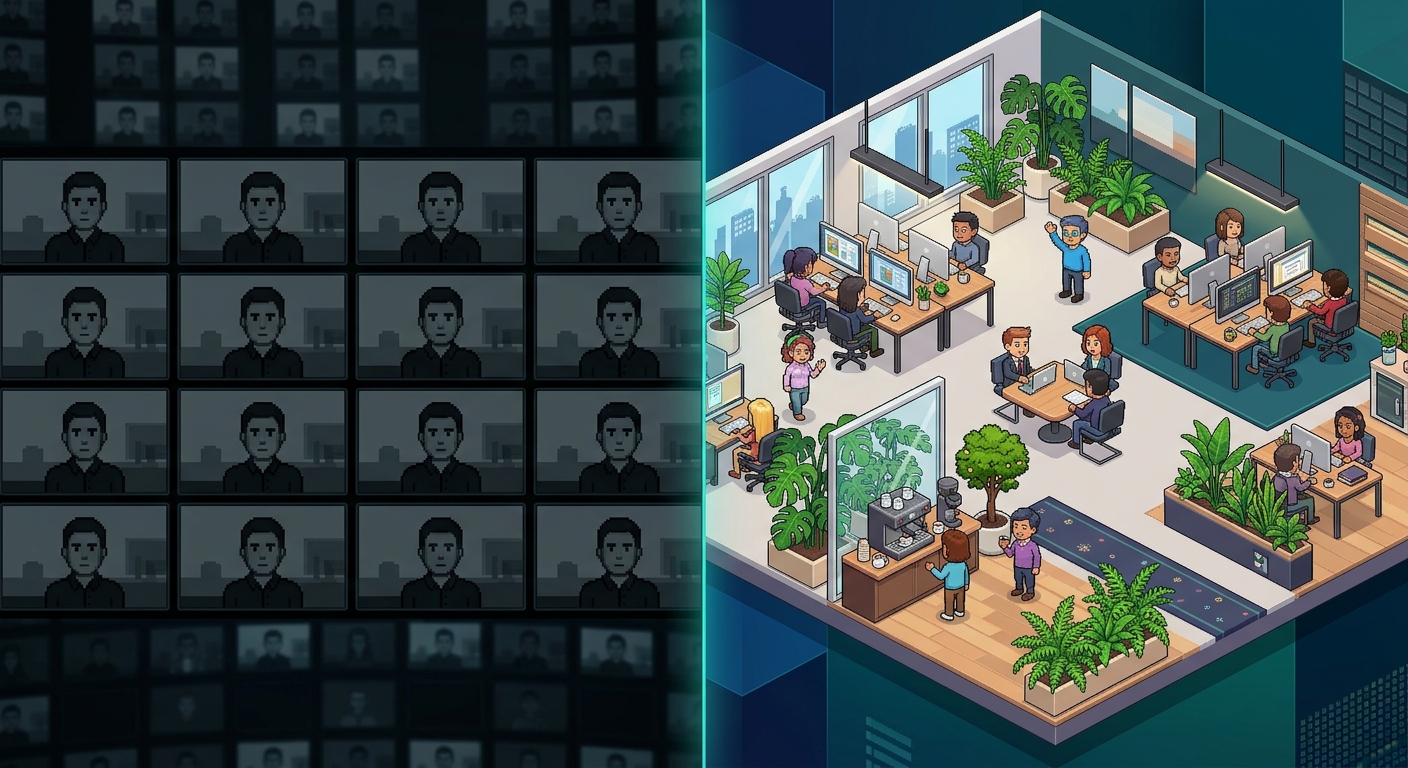
In 2026, the integration of presence-based platforms has revolutionized how teams handle task prioritization. When you can see who is currently focused or available, you can make better decisions about when to interrupt a colleague for assistance. Hurbly.ai facilitates this by creating a virtual office environment where status indicators act as social signals. This transparency reduces the friction often found in remote work, making task prioritization more fluid as team members adjust their schedules based on the real-time availability of their peers.
| Feature | Impact on Task Prioritization | Benefit to Remote Teams |
|---|---|---|
| Real-time Status | Prevents interruptions during deep work | Higher quality of output |
| Instant Conversations | Resolves blockers immediately | Faster task completion |
| Visual Presence | Improves awareness of team capacity | Better workload distribution |
By utilizing these visual cues, managers can perform task prioritization at a macro level, ensuring that the team is not overwhelmed by simultaneous high-priority demands. This level of synchronization mimics the spontaneous interactions of a physical office, allowing for quick pivots when project requirements change suddenly.
Overcoming Common Challenges in Workflow Management
One of the biggest obstacles to efficient task prioritization is the lack of clarity regarding project deadlines and dependencies. When a team member is unsure which task is the most critical, they often default to the easiest one, which may not be the most valuable. To combat this, documentation must be clear and accessible. Regular audits of the backlog allow for continuous task prioritization, ensuring that outdated or low-impact items do not clutter the workflow.
Furthermore, "context switching"—the act of jumping between unrelated tasks—can destroy productivity. Effective task prioritization encourages "batching," where similar activities are grouped together to maintain mental momentum. Platforms like Hurbly.ai help minimize unnecessary context switching by providing a central hub for presence and communication, reducing the need to toggle between multiple messaging apps just to check if a teammate is free.
The Role of Technology in Streamlining Priorities
The evolution of digital tools has made task prioritization more data-driven and less reliant on guesswork. Modern systems can now analyze how much time is spent on specific categories of work, providing insights into where the team might be losing focus. Integrating these insights into your task prioritization strategy allows for a more agile response to market changes or internal shifts in 2026.
- Identify the core objectives for the week.
- Assess the resources and personnel available.
- Use Hurbly.ai to coordinate availability for collaborative steps.
- Execute task prioritization by ranking items from highest to lowest impact.
- Review progress daily to adjust for any new variables.
By following these steps, teams can maintain a high level of operational efficiency. Ultimately, the goal of task prioritization is not just to do more work, but to do the right work at the right time. This strategic focus, supported by real-time presence technology, creates a sustainable and high-performing remote work culture.