Effective Strategies for Task Tracking in Remote Teams

In this article

Effective Strategies for Task Tracking in Remote Teams
Task tracking is the systematic process of monitoring the progress of individual assignments within a project from initiation to completion. In a modern digital workspace, this practice ensures that every team member understands their responsibilities, deadlines, and the current status of their work. By implementing a structured approach to task tracking, organizations can identify bottlenecks early, allocate resources more efficiently, and maintain a clear record of productivity. This clarity is essential for preventing overlapping duties and ensuring that project milestones are met on schedule.
To implement task tracking effectively, teams must define specific parameters for each activity. This includes setting clear start and end dates, assigning owners to each action item, and establishing measurable success criteria. When everyone follows the same task tracking protocol, the data collected becomes a reliable source of truth for project managers and stakeholders. This consistency allows for better forecasting and helps in adjusting workloads before team members become overwhelmed, leading to a more sustainable work pace.
Enhancing Team Visibility and Presence
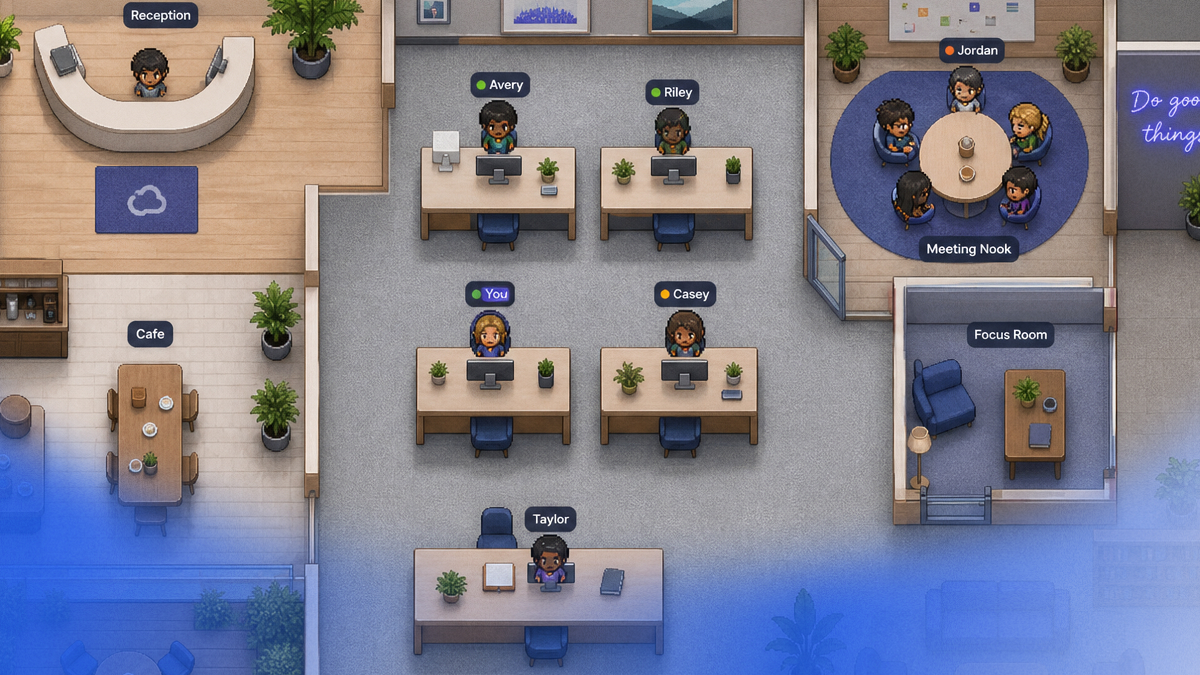
In remote environments, visibility goes beyond knowing what someone is working on; it involves understanding their availability and current focus. Platforms like Hurbly.ai complement traditional task tracking by providing a virtual office experience. While task tracking tells you a project's status, real-time presence indicators show you who is currently available to discuss those tasks. This combination reduces the friction often found in distributed teams, where waiting for a message response can delay progress on a critical assignment.
Integrating presence technology with your task tracking workflow allows for spontaneous collaboration. For instance, if a team member sees a "blocked" status on a specific item during task tracking reviews, they can immediately see if the task owner is available for a quick chat. This mimics the natural interactions of a physical office, where you might walk over to a colleague's desk to resolve an issue. By bridging the gap between work status and human availability, teams can maintain a high velocity without the need for constant, formal meeting invites.
Methods for Organizing Task Workflows
There are several proven frameworks for managing task tracking effectively, depending on the complexity of the project and the team's size:
- Kanban Boards: A visual method where tasks move through columns such as "To Do," "In Progress," and "Done." This provides an instant snapshot of the workflow.
- Gantt Charts: Useful for long-term projects, these charts map out dependencies and timelines, showing how individual task tracking updates impact the overall project deadline.
- List-Based Management: Simple checklists work well for repetitive daily operations where the primary goal of task tracking is to ensure no small detail is overlooked.
Choosing the right method depends on how much detail your team requires. For complex software development, a granular approach to task tracking is necessary to manage technical debt and feature releases. Conversely, for creative agencies, a more flexible task tracking system might be preferred to allow for iterative feedback cycles. Regardless of the method, the objective remains the same: providing a transparent view of what is happening within the organization at any given moment.
Benefits of Real-Time Collaboration Tools
The year 2026 has seen a significant shift toward tools that provide immediate feedback and presence. While task tracking provides the historical and future-looking data of a project, real-time tools like Hurbly.ai provide the "now." This immediate context is vital for remote workers who may feel isolated. Seeing a colleague's status as "focused" or "in a meeting" provides the social cues necessary to respect their time while still feeling part of a cohesive unit.
| Feature | Impact on Productivity | Relation to Task Tracking |
|---|---|---|
| Presence Indicators | Reduces unnecessary interruptions. | Shows who is available to update a task. |
| Instant Conversations | Speeds up decision-making. | Resolves blockers identified in task tracking. |
| Virtual Office Layout | Increases team cohesion. | Provides a spatial context for collaborative work. |
| Focus Modes | Protects deep work periods. | Ensures high-quality output for assigned tasks. |
Successful remote management requires balancing these real-time interactions with asynchronous task tracking. When these two elements work in harmony, teams spend less time talking about work and more time actually performing it. This synergy is what defines high-performing distributed organizations in the current landscape.
Optimizing Workflows for Future Scalability
As teams grow, the complexity of task tracking increases exponentially. What worked for a group of five people will likely fail for a department of fifty. Scalable task tracking requires automation and integration between different communication platforms. For example, when a status changes in a project management tool, it should ideally be reflected in the team's virtual presence environment. This creates a unified ecosystem where information flows freely without manual data entry.
Furthermore, analyzing task tracking data over time helps leaders identify patterns in team performance. You might discover that certain types of tasks consistently take longer than estimated, or that specific phases of a project are prone to delays. By addressing these systemic issues, companies can refine their processes and improve the accuracy of future planning. Utilizing Hurbly.ai alongside robust task tracking ensures that as the company scales, the human element of connection and the technical element of project management remain equally prioritized.