Effective Strategies for Team Building Activities for Small Groups in 2026

In this article

Effective Strategies for Team Building Activities for Small Groups in 2026
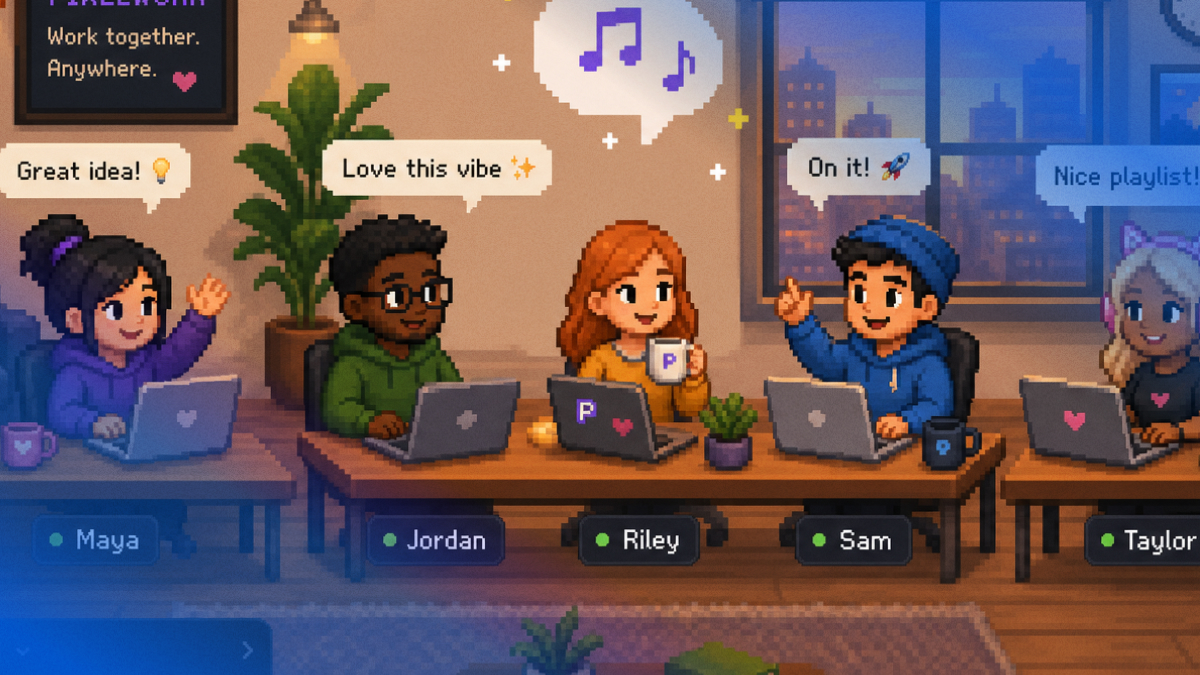
Effective collaboration in remote environments requires more than just digital tools; it requires a sense of shared presence. When planning team building activities for small groups, the primary goal is to bridge the gap between physical distance and social connection. In 2026, distributed teams are moving away from forced social hours toward integrated, organic interactions. By focusing on shared experiences that mirror office life, organizations can foster genuine relationships without the fatigue of traditional video conferencing.
To maximize the impact of team building activities for small groups, leaders should prioritize tasks that require active problem-solving rather than passive listening. These sessions work best when they involve five to ten participants, allowing everyone to contribute to the conversation. Utilizing platforms like Hurbly.ai helps set the stage for these interactions by maintaining a constant sense of team presence, making it easier to transition from deep work into collaborative group exercises.
Collaborative Problem Solving and Skill Sharing
One of the most productive types of team building activities for small groups involves collaborative "hackathons" or brainstorming sprints. In these sessions, a small team tackles a specific internal challenge, such as improving a workflow or designing a new feature. This approach turns a standard meeting into a dynamic exercise where members must rely on each other’s specialized knowledge. Because the group size is limited, every participant has a clear role and a voice in the final outcome.
Another effective method for team building activities for small groups is the "skill-swap" workshop. In this format, one team member teaches a non-work-related skill to their colleagues for thirty minutes. Whether it is a lesson in digital photography, a cooking tip, or a language primer, these sessions humanize coworkers. These team building activities for small groups create shared memories and personal connections that improve professional trust and communication during high-pressure projects.
Interactive Games and Digital Simulations
Digital simulations offer a structured environment for team building activities for small groups to practice communication under pressure. Virtual escape rooms or strategy-based games require participants to share information rapidly and delegate tasks effectively. These team building activities for small groups highlight natural leadership qualities and reveal how different personalities approach obstacles. The competitive yet low-stakes nature of gaming helps reduce the social anxiety often associated with remote work.
| Activity Type | Focus Area | Duration |
|---|---|---|
| Virtual Escape Room | Logic & Communication | 60 Minutes |
| Collaborative Mural | Creativity & Design | 45 Minutes |
| Trivia Challenges | Knowledge & Fun | 30 Minutes |
| Strategy Simulations | Decision Making | 90 Minutes |
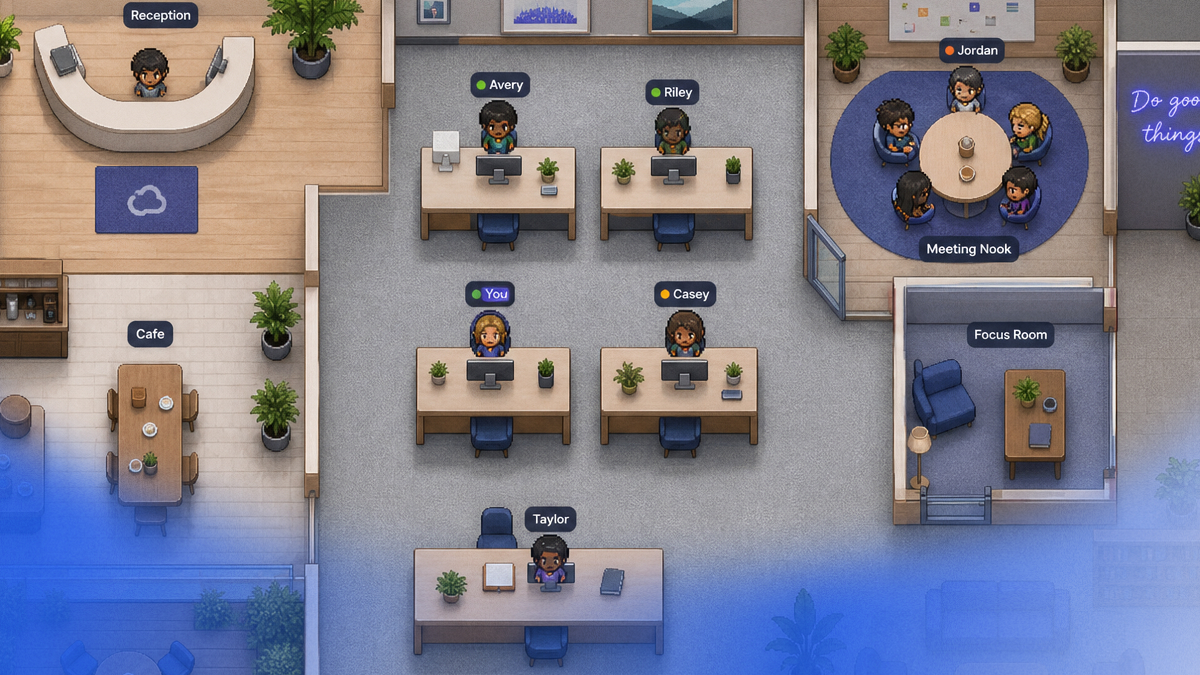
When integrating these team building activities for small groups, it is vital to ensure the technology does not become a barrier. Using a virtual office environment like Hurbly.ai allows teams to see who is ready to play and jump into a session without the friction of calendar invites. This spontaneity makes team building activities for small groups feel like a natural break in the workday rather than an additional chore on a busy schedule.
Strengthening Communication Through Presence
The success of team building activities for small groups often depends on the level of psychological safety within the team. When employees feel they can speak freely without judgment, the quality of collaboration improves. Regular, short-form team building activities for small groups, such as a "Monday Morning Coffee" or a "Friday Wins" session, help maintain this safety. These recurring touchpoints ensure that the team remains a cohesive unit even when working from different time zones.
Implementing team building activities for small groups should be a continuous process rather than a one-time event. By observing real-time availability on Hurbly.ai, managers can identify the best moments to initiate quick, five-minute team building activities for small groups that don't disrupt deep work. This real-time visibility ensures that the chosen team building activities for small groups are inclusive and respect the individual focus time of every participant, leading to a more harmonious and productive remote culture.