Enhancing Remote Work Efficiency Through Real-Time Team Collaboration
In this article

Enhancing Remote Work Efficiency Through Real-Time Team Collaboration
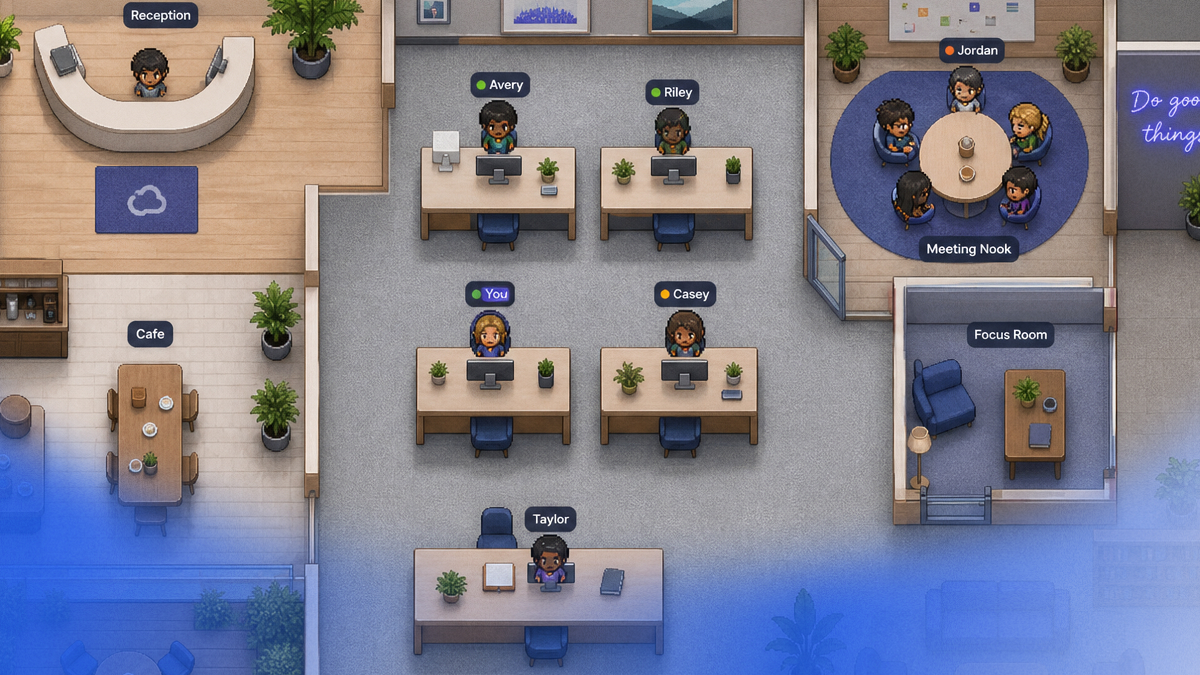
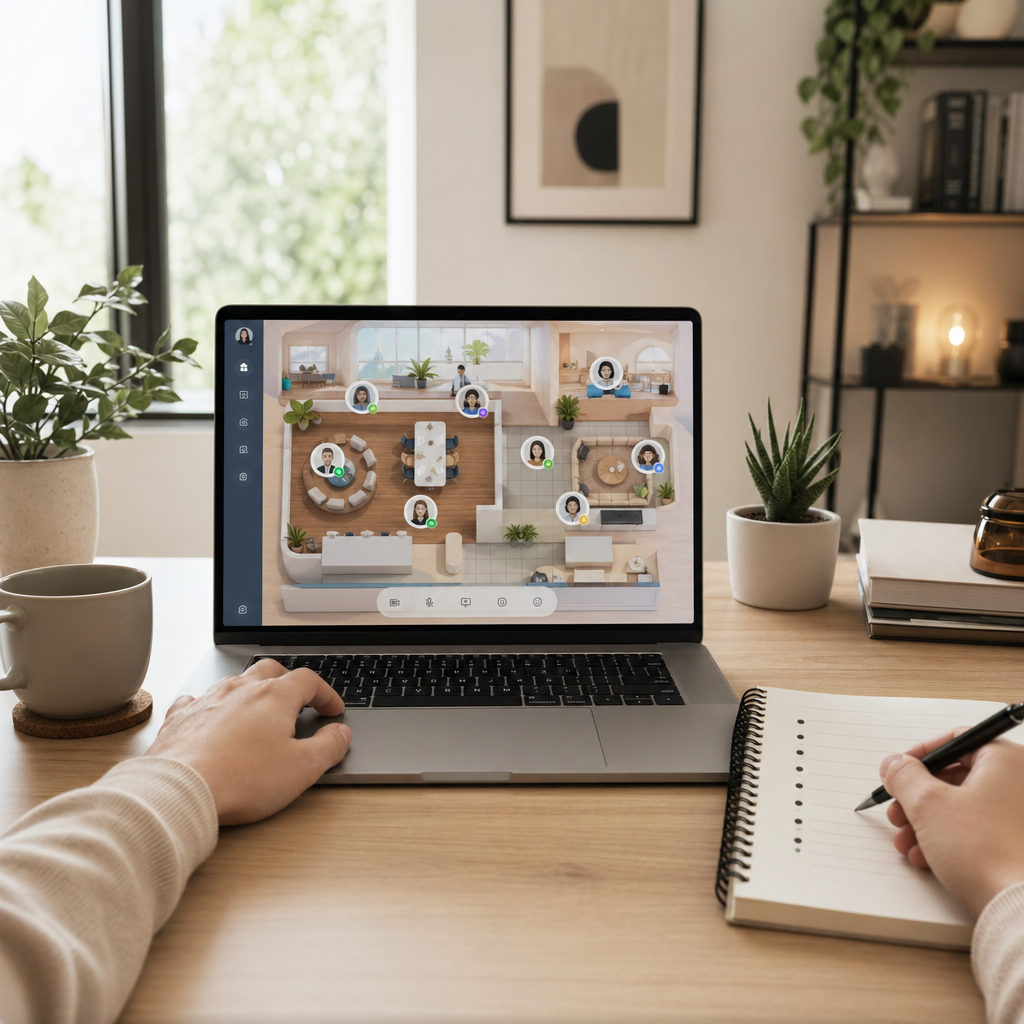
Modern digital environments require structured ways to maintain high levels of team collaboration without the friction of constant scheduling. Virtual office platforms address this by providing a visual representation of a workspace, allowing members to see who is active, busy, or currently in a meeting. This immediate visibility reduces the psychological barrier to starting a conversation, making digital interactions feel as natural as turning to a colleague in a physical office.
By integrating real-time presence indicators, organizations can foster a culture of spontaneous team collaboration. Instead of sending an email and waiting hours for a response, a user can identify an available peer and initiate a quick sync. This approach minimizes the "meeting fatigue" often associated with remote work, as short, informal huddles replace lengthy, pre-planned video conferences.
How Virtual Offices Facilitate Instant Interaction
A virtual office functions by tracking user status and displaying it on a shared dashboard. This transparency is vital for effective team collaboration because it provides context before a communication attempt is made. For example, if a developer is in "Deep Work" mode, the system signals others to avoid interruptions, thereby protecting individual productivity while still supporting the broader needs of the group.
To optimize team collaboration, these platforms often include features such as:
- Real-time presence avatars that show current activity.
- Spatial audio or one-click video rooms for immediate talking.
- Status tags that indicate specific tasks or time zones.
- Integration with existing workflows to ensure data consistency.
Using Hurbly.ai, distributed groups can bridge the distance gap by creating a persistent digital headquarters. This environment ensures that team collaboration remains fluid, as the platform identifies the best moments for engagement based on actual availability rather than calendar slots.
Benefits of Real-Time Presence for Distributed Groups
The primary challenge for remote organizations is the loss of "watercooler moments" or incidental knowledge sharing. Platforms dedicated to team collaboration solve this by simulating a shared space where presence is felt. When employees see their colleagues working alongside them in a virtual room, it strengthens the sense of belonging and collective purpose.
| Feature | Impact on Team Collaboration |
|---|---|
| Live Status Updates | Reduces unnecessary interruptions and improves timing. |
| Instant Voice Channels | Accelerates decision-making and problem-solving. |
| Visual Office Layout | Increases social presence and reduces isolation. |
| Activity Insights | Helps managers balance workloads and support the team. |
In 2026, the reliance on asynchronous messaging alone is often insufficient for complex projects. Active team collaboration requires a balance between focused solo work and rapid-response communication. By utilizing a virtual office, teams can maintain this balance, ensuring that information flows freely without overwhelming individual contributors.
Improving Transparency and Workflow Integration
Transparency is the foundation of successful team collaboration. When every member of a project understands who is doing what and when they are reachable, project velocity increases. This level of clarity prevents the "silo effect," where departments become isolated due to a lack of cross-functional visibility. A centralized digital office acts as the connective tissue for these diverse groups.
Effective team collaboration depends on how well a tool fits into the daily routine. A virtual presence platform should not be another chore to manage; it should run in the background, updating status automatically based on user behavior. This automation allows the workforce to focus on their core objectives while the software handles the logistics of availability and team collaboration readiness.
Strategic Advantages of Spontaneous Communication
Moving away from a strictly scheduled culture allows for more agile responses to emerging challenges. When team collaboration is restricted to calendar invites, innovation can be stifled by bureaucracy. Real-time platforms allow for the immediate escalation of ideas, where a quick question can evolve into a productive brainstorming session within seconds.
The following steps outline how to transition to a presence-based model:
- Establish clear protocols for status indicators to respect focus time.
- Encourage the use of "open door" digital rooms for casual team collaboration.
- Use the virtual office as the primary hub for daily stand-ups and quick check-ins.
- Monitor engagement levels to ensure the tool is facilitating, not hindering, work.
Ultimately, the goal of team collaboration in a digital-first world is to replicate the ease of physical proximity. By using Hurbly.ai, companies can ensure their remote staff remains synchronized, visible, and empowered to interact. This leads to a more cohesive organizational structure where team collaboration is a natural byproduct of the environment rather than a forced administrative task.