Effective Strategies for Team Engagement Activities in 2026
In this article

Effective Strategies for Team Engagement Activities in 2026
Effective communication is the foundation of any successful distributed workforce. In 2026, organizations are moving away from rigid, scheduled meetings and toward fluid, real-time interactions. Implementing consistent team engagement activities helps bridge the physical gap between remote employees, ensuring that everyone feels connected to the company culture. By focusing on visibility and accessibility, companies can create an environment where collaboration happens naturally rather than through forced digital interactions.
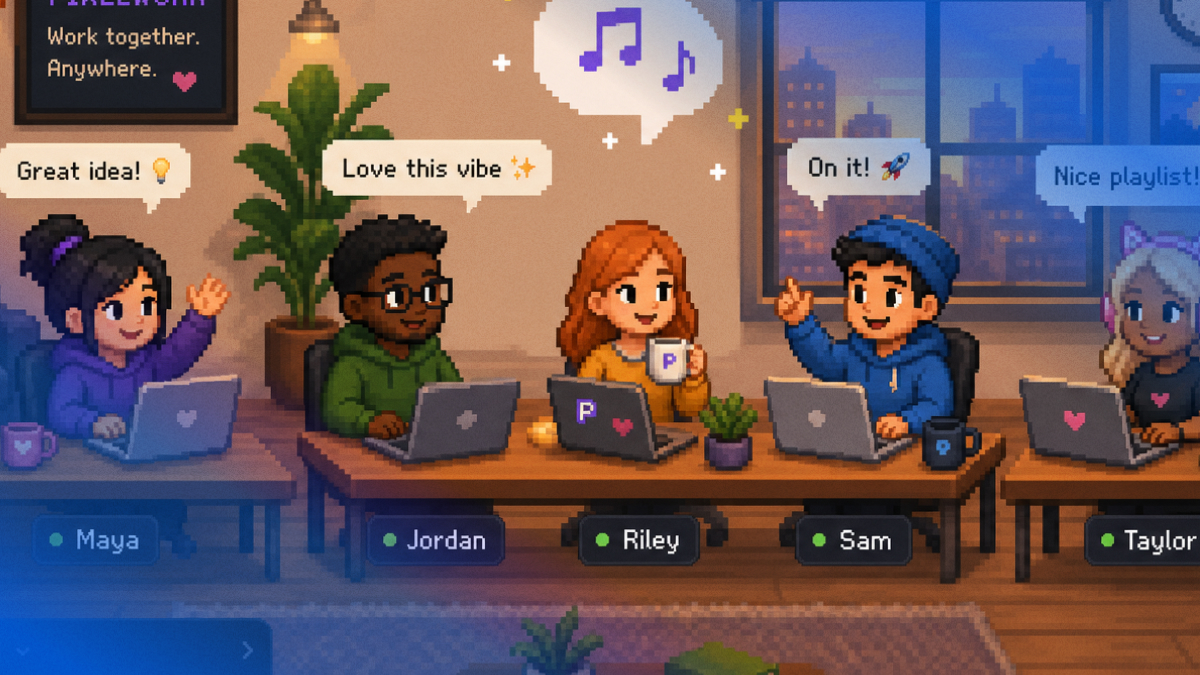
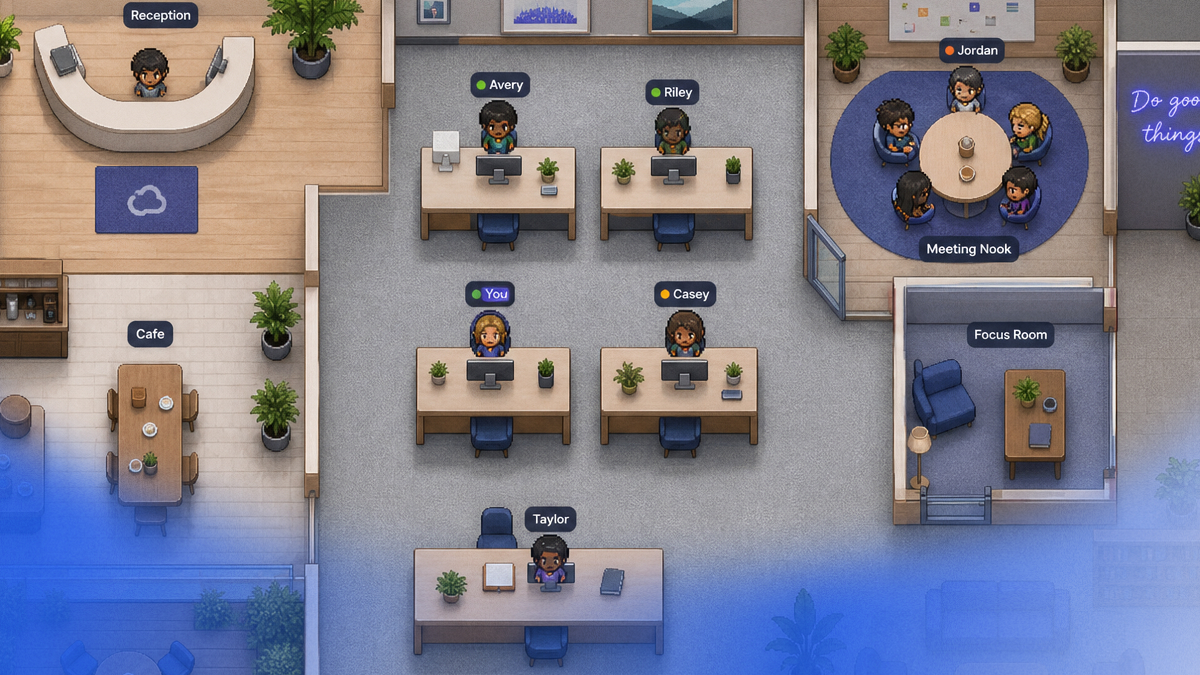
Modern team engagement activities prioritize spontaneous connection over formal agendas. When team members can see who is available or currently focusing on a task, they are more likely to reach out for quick syncs. This level of transparency reduces the isolation often felt in home offices. Platforms like Hurbly.ai support these efforts by providing a virtual office layout where presence is visible at a glance, making it easier to initiate meaningful interactions without the friction of calendar invites.
How Presence Technology Enhances Team Engagement Activities
Presence technology serves as a digital map of a team's current status, showing who is in a meeting, who is focusing, and who is open for a chat. Integrating this technology into your team engagement activities allows for "watercooler moments" to happen digitally. Instead of sending a message and waiting hours for a reply, employees can see a colleague's status and start an instant conversation. This immediacy mimics the physical office experience and keeps workflows moving without unnecessary interruptions.
To maximize the impact of these tools, managers should encourage team engagement activities that revolve around shared digital spaces. For example, setting up "open door" hours where a senior leader is visible and available in a virtual room encourages junior staff to drop in. This approach removes the intimidation factor of scheduling a formal call and fosters a culture of mentorship and open communication across all levels of the organization.
Practical Examples of Remote Team Engagement Activities
Implementing structured yet flexible team engagement activities is essential for maintaining long-term morale. These activities should be designed to fit into the workday without becoming a burden on productivity. By using real-time visibility tools, teams can organize quick, informal gatherings that feel organic.
| Activity Type | Description | Frequency |
|---|---|---|
| Virtual Co-working | Working in a shared digital room with cameras or avatars active to simulate a shared office. | Daily |
| Flash Brainstorming | Short, 10-minute sessions triggered when multiple team members show "available" status. | As needed |
| Digital Coffee Breaks | Non-work related chats in a designated virtual space to build personal rapport. | Weekly |
| Status-Based Syncs | Quick updates based on current focus areas visible on the presence platform. | Daily |
These team engagement activities are most effective when they are low-pressure. The goal is to provide opportunities for connection that do not require extensive preparation. When the barrier to entry is low, participation rates increase, leading to a more cohesive and synchronized team.
Why Real-Time Visibility Matters for Team Engagement Activities
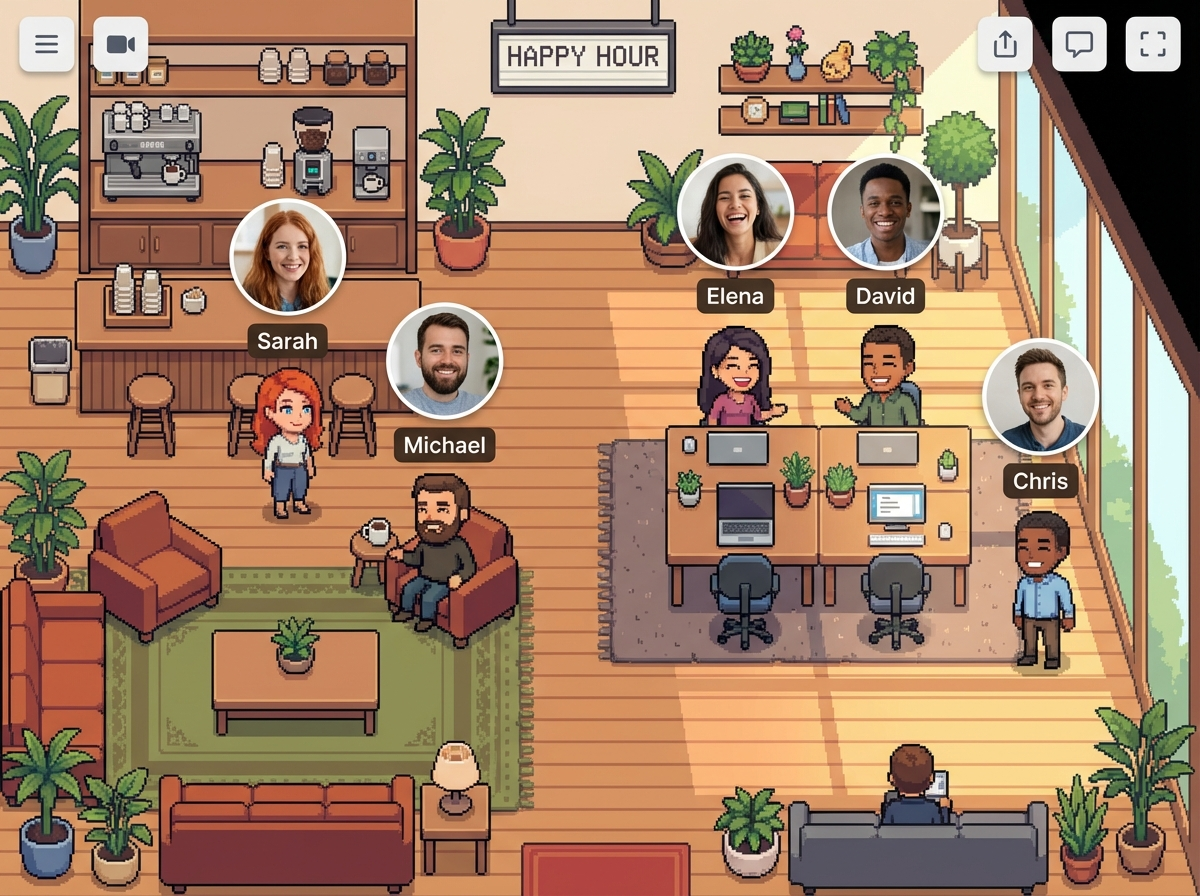
The primary challenge of remote work is the "out of sight, out of mind" phenomenon. Without visual cues, it is difficult to gauge the collective energy of a group. High-quality team engagement activities solve this by making the team's pulse visible. When you can see your coworkers moving through their day, it creates a sense of shared purpose. This visibility is a core component of Hurbly.ai, which focuses on showing real-time presence to facilitate faster decision-making.
Furthermore, team engagement activities that leverage real-time data help prevent burnout. By observing when colleagues are consistently in "focus mode" or "do not disturb," team members learn to respect each other's deep-work boundaries. This mutual respect is a form of engagement itself, as it builds trust and shows that the organization values both collaboration and individual productivity.
Steps to Implement New Team Engagement Activities
- Assess Current Communication Gaps: Identify where the team feels disconnected, such as lack of informal feedback or slow response times.
- Select a Visibility Tool: Choose a platform like Hurbly.ai that allows everyone to see current availability and status in real-time.
- Define Interaction Norms: Establish clear guidelines for how to use the tool for team engagement activities, ensuring everyone knows when it is appropriate to "drop in."
- Start Small: Begin with one or two simple team engagement activities, such as a daily 15-minute virtual presence block where everyone is "available."
- Gather Feedback: Regularly ask the team if these activities are helping them feel more connected or if they feel like an added distraction.
- Iterate and Optimize: Adjust the frequency and format of your team engagement activities based on the specific needs and time zones of your distributed workforce.
Improving Retention Through Team Engagement Activities
Employee retention in 2026 is closely tied to how well a company manages its digital culture. Team engagement activities are not just about fun; they are a strategic tool for keeping talent. When employees feel seen and supported, their job satisfaction increases. Providing a virtual office environment where spontaneous help is available creates a safety net that prevents frustration and isolation.
Ultimately, the most successful team engagement activities are those that become a natural part of the workflow. By integrating presence indicators and instant communication into the daily routine, companies can ensure that their remote teams remain as productive and connected as those in a traditional office. Utilizing Hurbly.ai allows organizations to maintain this high level of connectivity, ensuring that team engagement activities are effective, measurable, and sustainable for the long term.