Optimizing Remote Collaboration and Team Meetings with Real-Time Presence

In this article

Optimizing Remote Collaboration and Team Meetings with Real-Time Presence
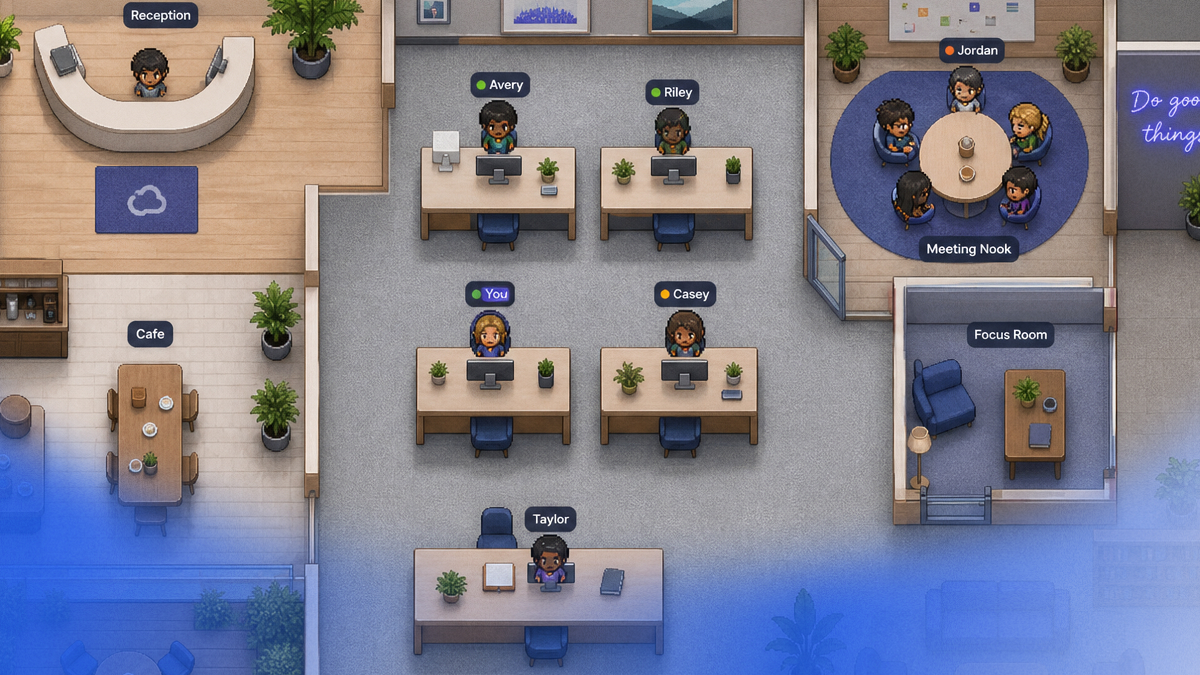
In 2026, the landscape of digital work requires more than just standard messaging apps. Virtual office platforms like Hurbly.ai provide a spatial layer to remote work by showing exactly who is available, who is currently focused on deep work, and who is participating in active team meetings. This transparency allows distributed organizations to function with the same fluidity as a physical office, reducing the psychological distance between coworkers.
By utilizing real-time presence technology, users can see visual indicators of their colleagues' status. This visibility eliminates the guesswork often associated with remote communication. Instead of sending a message and waiting hours for a reply, a team member can see if a colleague is free for a quick chat or if they are occupied in internal team meetings. This immediate context helps maintain a steady workflow and prevents unnecessary interruptions during high-focus periods.
Reducing Friction in Distributed Communication
The primary challenge for remote teams is the friction caused by scheduling. Traditionally, even simple questions required setting up formal team meetings, which often clutter calendars and decrease overall productivity. A virtual office environment changes this dynamic by facilitating spontaneous interactions. When you can see that a supervisor or peer is available, you can initiate a brief conversation immediately, mirroring the "tap on the shoulder" experience of a traditional workspace.
Effective communication in 2026 relies on balancing synchronous and asynchronous work. While asynchronous messages are useful for non-urgent tasks, certain complex problems are solved faster through direct interaction. By seeing who is currently engaged in other team meetings, employees can choose the best moment to reach out, ensuring that their request does not disrupt a colleague's current responsibilities.
Strategic Benefits of Real-Time Visibility
Implementing a presence-based platform allows organizations to streamline their daily operations. Transparency regarding availability helps managers understand the workload and connectivity of their staff without intrusive monitoring. When the entire department can see who is active and who is in team meetings, it creates a shared sense of awareness and accountability that is often lost in text-only environments.
| Feature | Impact on Workflow | Benefit for Team Meetings |
|---|---|---|
| Real-time Status | Reduces "pinging" busy users | Prevents interruptions during active team meetings |
| Presence Indicators | Shows who is at their desk | Helps identify the best time for spontaneous team meetings |
| Instant Conversations | Enables quick audio/video syncs | Replaces short, formal team meetings with quick chats |
| Focused Mode | Protects deep work blocks | Ensures participants are prepared for scheduled team meetings |
This structured visibility also assists in resource allocation. If a project requires immediate collaboration, a quick glance at the dashboard reveals which specialists are currently available to join. This prevents the delay of waiting for the next cycle of scheduled team meetings to address urgent technical or creative hurdles.
Improving Coordination Without Over-Scheduling
One of the most significant advantages of using Hurbly.ai is the reduction of "meeting fatigue." In many remote companies, the default solution for any coordination task is to invite several people to formal team meetings. However, many of these interactions can be handled in seconds if the participants can see each other's availability in real time. This approach keeps calendars clear for deep work and ensures that when team meetings do occur, they are necessary and high-impact.
The platform supports a more natural rhythm of work. For example, after a group finishes one of their regular team meetings, they might remain "visible" for a few minutes to handle follow-up questions. This transition period mimics the natural "hallway track" conversations that happen after physical gatherings, which are often where the most practical decisions are made.
Implementing Presence Technology for Better Team Meetings
To get the most out of a virtual office setup, teams should follow a logical process for integration. This ensures that the transition from traditional scheduling to real-time presence is smooth and provides immediate value to all participants.
- Establish Status Protocols: Define what different status indicators mean for your specific workflow, such as when a user is "in a zone" versus when they are open to joining quick team meetings.
- Integrate Daily Workflows: Encourage team members to keep the virtual office open during working hours to provide an accurate reflection of the team's live presence.
- Audit Meeting Necessity: Regularly review the calendar to see which recurring team meetings can be replaced by spontaneous, presence-based interactions.
- Promote Spontaneity: Empower employees to use the "instant conversation" features rather than defaulting to a calendar invite for every minor query.
By following these steps, organizations can ensure that their team meetings are reserved for complex strategy and collaborative problem-solving, while day-to-day coordination happens organically through the virtual office interface. This evolution in digital workspace management helps maintain high morale and operational efficiency across different time zones and locations.