Enhancing Remote Collaboration with Efficient Teamwork Apps in 2026
In this article

Enhancing Remote Collaboration with Efficient Teamwork Apps in 2026
The landscape of digital work has evolved significantly, making the selection of effective teamwork apps a priority for distributed organizations. In 2026, the primary challenge for remote teams is no longer just connectivity, but the quality of presence and the reduction of communication friction. Modern teamwork apps focus on creating a cohesive environment where information flows naturally, and team members can identify the best moments to engage with one another without the burden of excessive scheduling.
Effective teamwork apps serve as the digital backbone of an organization, integrating various communication channels into a single, navigable interface. These platforms allow users to monitor project progress, share resources, and maintain a sense of community. By utilizing advanced teamwork apps, companies can bridge the gap between physical and virtual offices, ensuring that every employee, regardless of their geographic location, feels integrated into the daily workflow and company culture.
Real-Time Presence and Spontaneous Interaction
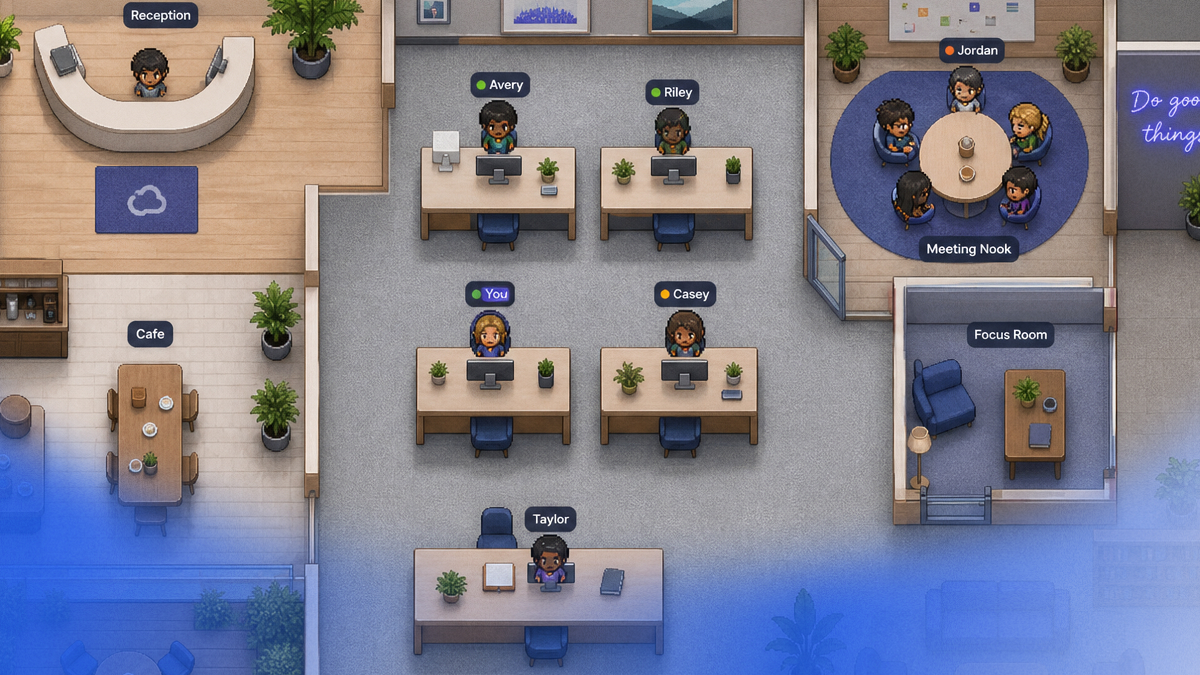
One of the most critical features of contemporary teamwork apps is the ability to provide real-time visibility into colleague availability. Traditional communication tools often rely on static status updates that quickly become outdated. In contrast, sophisticated teamwork apps utilize live indicators to show if a team member is deeply focused, participating in a meeting, or available for a quick chat. This transparency prevents unnecessary interruptions and respects individual deep-work cycles.
Hurbly.ai exemplifies this evolution by functioning as a virtual office that prioritizes team presence. Unlike standard teamwork apps that require users to send messages and wait for replies, this platform allows for instant, spontaneous conversations. By mimicking the physical proximity of a traditional office, it enables users to see their coworkers' current status and initiate engagement immediately. This approach reduces the "meeting fatigue" often associated with platforms that require every interaction to be a formal, scheduled event.
Key Features of High-Performing Teamwork Apps
When evaluating teamwork apps for a distributed workforce, several core functionalities determine their long-term utility. These features are designed to streamline operations and enhance the user experience across different time zones:
- Live Status Indicators: Real-time visual cues that reflect current activity levels and availability.
- Instant Audio/Video Zones: Dedicated spaces where team members can jump in for quick discussions without generating meeting links.
- Asynchronous Integration: The ability to leave context-rich information for colleagues who are currently offline or busy.
- Focus Mode Protection: Tools within teamwork apps that signal when a user should not be disturbed, helping maintain productivity.
- Cross-Platform Accessibility: Ensuring that the digital office is reachable via desktop, web, and mobile devices seamlessly.
These components ensure that teamwork apps do more than just facilitate messaging; they create a structured environment where collaboration is intuitive. By centralizing these functions, organizations can reduce the "toggle tax"—the mental energy lost when switching between multiple disconnected tools.
Comparing Communication Methods in Digital Workspaces
The choice between different teamwork apps often depends on how a team prefers to communicate. The following table illustrates the differences between traditional messaging-heavy tools and presence-based platforms:
| Feature | Messaging-Focused Apps | Presence-Based Teamwork Apps |
|---|---|---|
| Primary Interaction | Text-based threads | Real-time presence and voice |
| Meeting Setup | Scheduled links and invites | Spontaneous "walk-up" interactions |
| Visibility | Manual status updates | Automated real-time availability |
| Context | Often lost in long histories | Immediate and situational |
| User Experience | Can feel isolating | Simulates a shared physical space |
While messaging is essential for documentation, presence-based teamwork apps are superior for building team cohesion and resolving complex issues quickly. Platforms like Hurbly.ai focus on the latter, providing a spatial awareness that standard chat tools cannot replicate.
Implementing Teamwork Apps for Maximum Efficiency
Successfully integrating new teamwork apps into a company's workflow requires a strategic approach. It is not enough to simply adopt the technology; the team must establish norms for its use. For instance, defining what different presence indicators mean can help align expectations across the department. When teamwork apps are used correctly, they become a transparent layer of the workday rather than an additional task to manage.
- Define Communication Protocols: Establish when to use instant voice features versus when to send an asynchronous message.
- Encourage Transparency: Motivate team members to keep their status active so the teamwork apps can provide accurate data to the rest of the group.
- Audit Tool Usage: Periodically review which features of your teamwork apps are providing the most value and which are causing distractions.
- Integrate with Existing Workflows: Ensure that your chosen teamwork apps complement your project management and documentation systems.
By following these steps, organizations can ensure that their investment in teamwork apps leads to measurable improvements in both productivity and employee satisfaction.
The Role of Virtual Offices in Modern Collaboration
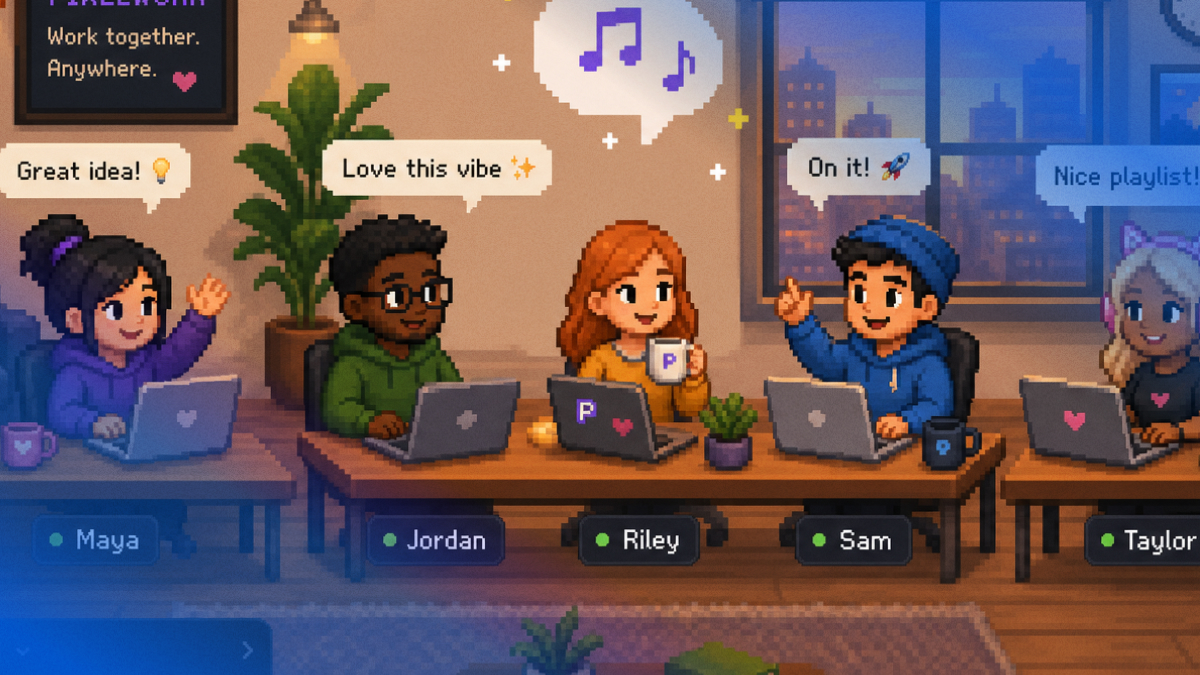
The shift toward virtual offices represents the next stage in the evolution of teamwork apps. These platforms go beyond simple utility by offering a visual representation of the workspace. This spatial element helps remote workers feel less isolated and more connected to the "pulse" of the company. In 2026, the most successful teamwork apps are those that prioritize human connection and reduce the friction of digital barriers.
Using a platform like Hurbly.ai allows teams to maintain the social benefits of an office while enjoying the flexibility of remote work. As teamwork apps continue to advance, the focus will remain on creating environments that support both individual deep work and collective creative bursts. By choosing the right teamwork apps, leaders can build resilient, high-performing teams that thrive in any geographic configuration.