Efficient Work Hour Tracking Using a Time Clock In Calculator

In this article

Efficient Work Hour Tracking Using a Time Clock In Calculator
A time clock in calculator is a specialized digital tool designed to simplify the process of recording and calculating employee work hours. In 2026, managing remote and distributed teams requires precision in tracking start times, end times, and break durations. By using a time clock in calculator, businesses can eliminate manual errors often associated with traditional paper logs or complex spreadsheets. This tool automatically converts timestamps into total hours worked, ensuring that payroll processing is both accurate and transparent for all parties involved.
Accuracy is the primary reason organizations implement a time clock in calculator. When employees log their daily shifts, the system processes the raw data to provide a clear overview of daily, weekly, and monthly totals. This level of detail is essential for compliance with labor regulations and for maintaining fair compensation practices. Furthermore, a time clock in calculator helps managers identify patterns in attendance and punctuality, allowing for better resource allocation across various projects.
How a Time Clock In Calculator Improves Payroll Accuracy
The core functionality of a time clock in calculator involves the subtraction of the start time from the end time while accounting for unpaid breaks. For example, if an employee clocks in at 08:00 AM and out at 05:00 PM with a 45-minute lunch break, the time clock in calculator instantly determines the total payable hours as 8.25. This automation prevents the "rounding errors" that frequently occur during manual calculations, which can lead to significant financial discrepancies over time.
Beyond simple subtraction, a modern time clock in calculator often includes features for handling overtime and different pay rates. By inputting specific parameters, the time clock in calculator can distinguish between regular hours and time-and-a-half or double-time shifts. This structured approach to data ensures that every minute of labor is accounted for correctly, fostering a culture of trust between the employer and the workforce.
Integrating Presence and Time Tracking for Remote Teams
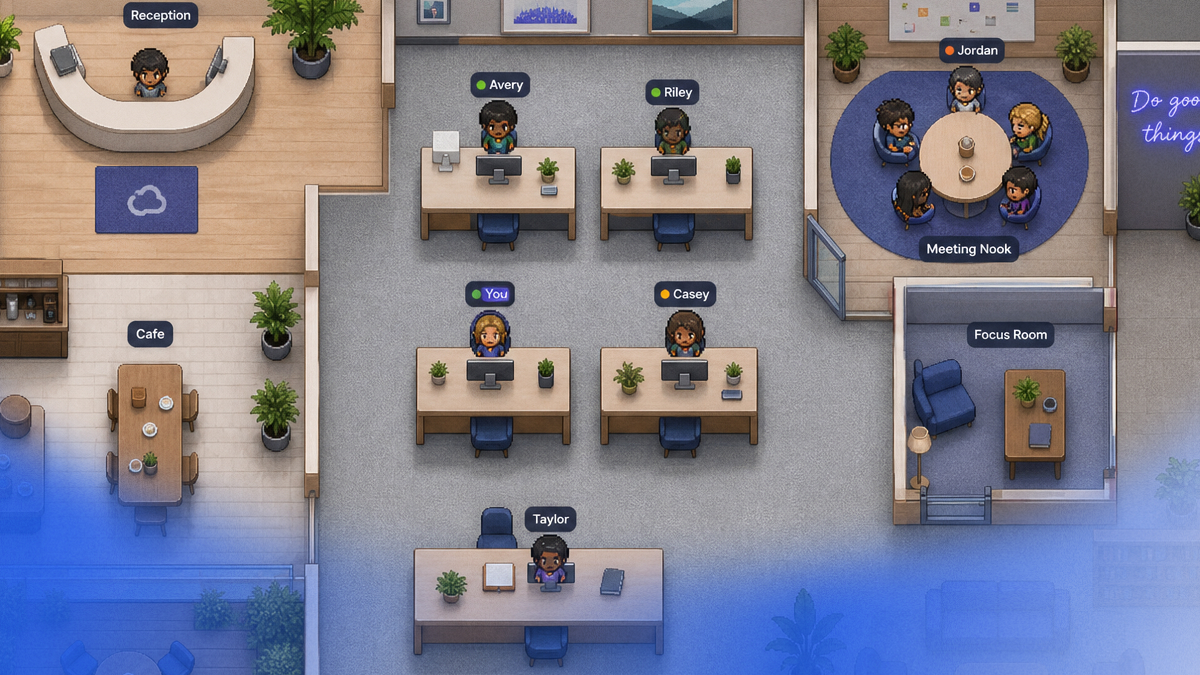
While a time clock in calculator handles the quantitative aspect of work, platforms like Hurbly.ai address the qualitative aspect of team presence. In a remote environment, knowing when someone is "on the clock" is only half the battle; understanding their availability for collaboration is equally important. Integrating the data from a time clock in calculator with real-time presence indicators allows teams to see who is currently focused, in a meeting, or available for a quick sync without the need for scheduled calls.
| Feature | Manual Logging | Time Clock In Calculator |
|---|---|---|
| Accuracy | Low (Human Error) | High (Automated) |
| Speed | Slow | Instant |
| Data Integrity | Vulnerable to changes | Secure and Audit-ready |
| Compliance | Difficult to track | Built-in reporting |
Using a time clock in calculator alongside a virtual office platform creates a seamless workflow. While the time clock in calculator records the duration of the workday, the presence platform facilitates spontaneous interactions that mimic a physical office. This combination ensures that even though teams are distributed, they remain connected and productive throughout their logged hours.
Steps to Implement a Time Clock In Calculator Workflow
Transitioning to an automated system for tracking hours involves a few logical steps to ensure consistency across the organization:
- Define Shift Parameters: Establish standard start and end times, along with mandatory break durations that the time clock in calculator will use as a baseline.
- Employee Training: Ensure every team member knows how to input their data into the time clock in calculator to maintain data uniformity.
- Daily Verification: Managers should briefly review the outputs of the time clock in calculator to catch any anomalies, such as missed punches or excessive overtime.
- Payroll Export: Use the finalized data from the time clock in calculator to generate reports for the accounting department or payroll software.
By following these steps, the time clock in calculator becomes a central pillar of the company's operational efficiency. It provides a reliable record of labor costs and helps in forecasting future staffing needs based on historical data.
Benefits of Using a Time Clock In Calculator for Freelancers
Freelancers and independent contractors also find great value in using a time clock in calculator. Since many freelancers bill by the hour, having a precise time clock in calculator allows them to provide clients with detailed invoices that justify their fees. It removes the guesswork from billing and ensures that every project task is billed accurately.
A time clock in calculator also helps freelancers manage their own productivity. By tracking how much time is spent on specific tasks versus the total time logged in the time clock in calculator, they can identify areas where they might be losing efficiency. This data-driven approach allows for better project quoting and improved time management, which are critical for success in a competitive global market.
Optimizing Team Collaboration with Real-Time Data
The ultimate goal of using a time clock in calculator is to create a transparent work environment. When combined with the real-time visibility provided by Hurbly.ai, the time clock in calculator data helps bridge the gap between "working" and "collaborating." Teams can use the information from the time clock in calculator to respect each other's boundaries, knowing exactly when a colleague has finished their shift or started their break.
In conclusion, the time clock in calculator is more than just a tool for counting hours; it is a fundamental component of modern workforce management. Whether you are a small business owner or a manager of a large distributed team, the time clock in calculator provides the precision and reliability needed to thrive in 2026. By automating the tracking process, you free up valuable time to focus on innovation and team growth.