Effective Time Management Strategies for Remote Teams in 2026

In this article

Effective Time Management Strategies for Remote Teams in 2026
Effective time management is the foundation of productivity for distributed organizations. In a remote work environment, managing hours effectively requires more than just a calendar; it demands clear visibility into team availability and the reduction of unnecessary administrative overhead. By prioritizing direct communication and real-time status updates, teams can minimize the friction that often leads to wasted hours and missed deadlines.
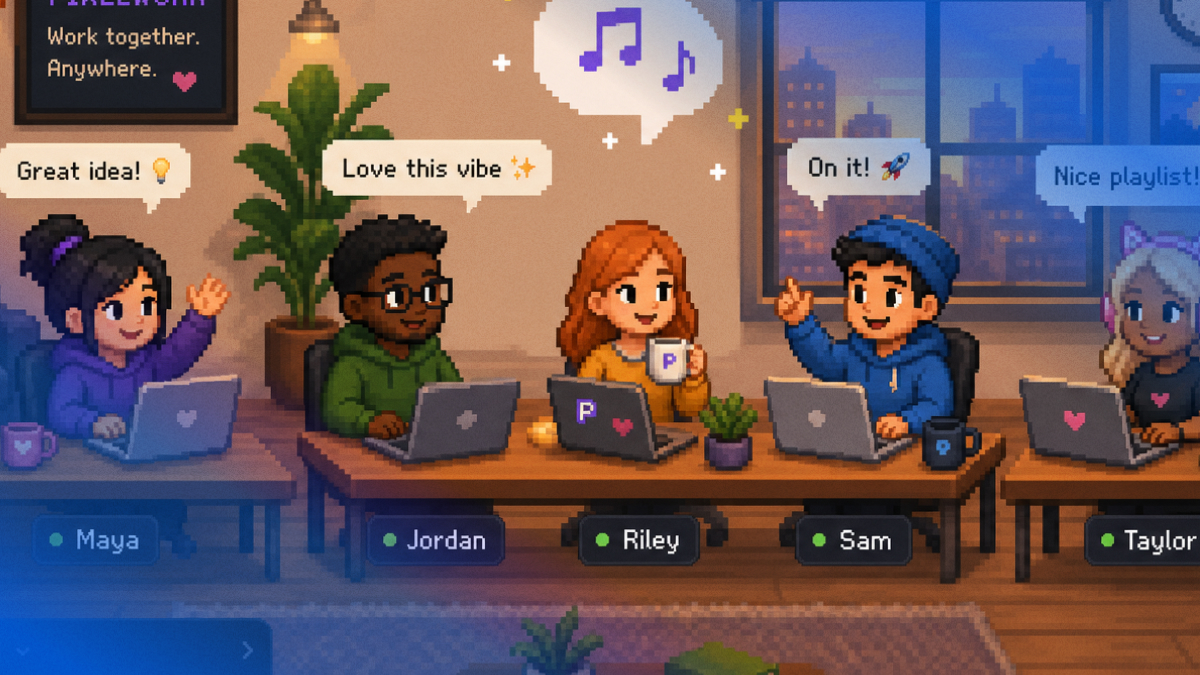
Implementing structured time management protocols ensures that every team member understands when to focus and when to collaborate. This clarity prevents the "always-on" fatigue common in digital workspaces. Tools like Hurbly.ai facilitate this by providing a virtual office environment where presence is visible, allowing for better coordination of daily tasks and long-term projects without the need for constant back-and-forth messaging.
How Presence Indicators Improve Team Time Management
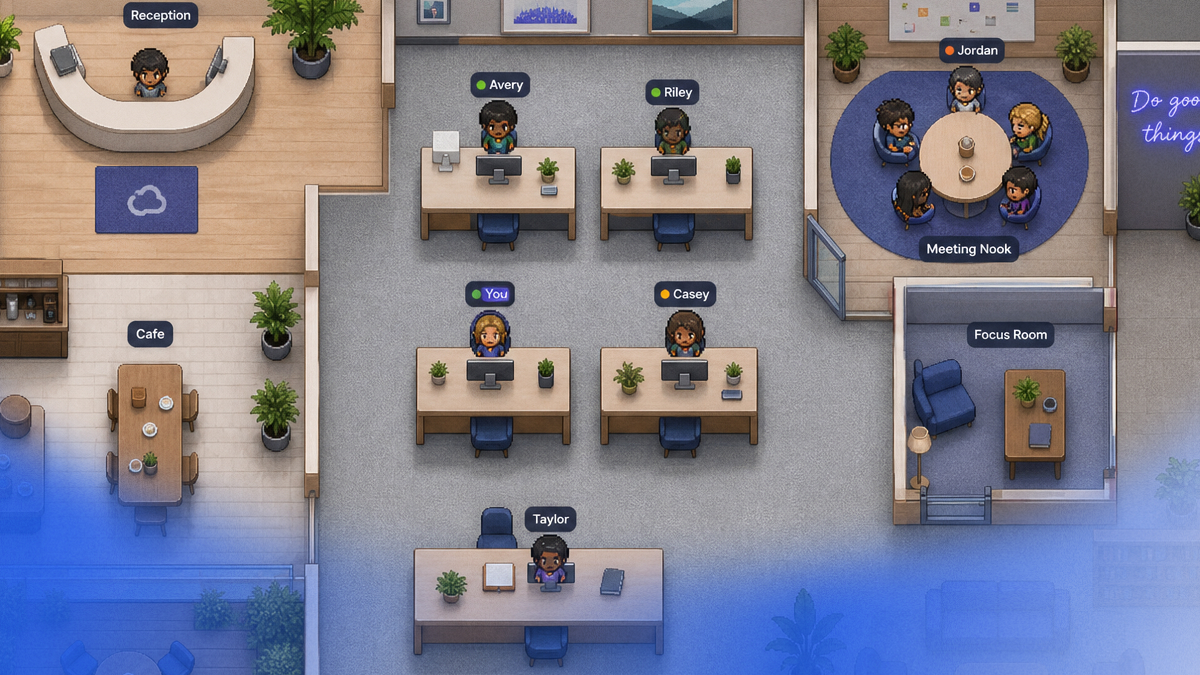
Presence indicators serve as a visual signal for availability, which is critical for successful time management. When team members can see at a glance who is currently in a meeting, who is focused on a deep-work task, or who is available for a quick chat, they can make informed decisions about when to interrupt. This transparency reduces the cognitive load associated with scheduling and helps maintain a steady workflow throughout the day.
The relationship between visibility and time management is straightforward:
- Reduced Context Switching: Knowing a colleague is busy prevents unnecessary interruptions that break focus.
- Instant Resolution: Quick questions can be answered in real-time, preventing small blockers from turning into day-long delays.
- Synchronized Schedules: Teams can naturally align their working hours based on observed activity patterns.
By using Hurbly.ai, remote teams replicate the spontaneous interaction of a physical office. This immediate access supports better time management by eliminating the need for formal meeting invites for simple clarifications, thereby keeping calendars clear for high-priority work.
Structural Approaches to Daily Time Management
To optimize time management, teams must move beyond simple to-do lists and adopt hierarchical structures for their workday. This involves categorizing tasks based on urgency and the level of collaboration required. A well-structured day balances individual deep work with synchronous team interactions, ensuring that collective goals are met without sacrificing individual output.
| Category | Impact on Time Management | Recommended Action |
|---|---|---|
| Deep Work | High focus, high output | Set status to "Focused" to avoid interruptions. |
| Collaborative Sync | High alignment, medium effort | Use real-time presence to find gaps for quick talks. |
| Administrative Tasks | Low focus, high volume | Batch these tasks during low-energy periods. |
| Scheduled Meetings | High coordination, fixed time | Keep these to a minimum to preserve open blocks. |
Effective time management also relies on the ability to transition quickly between these states. When a platform shows real-time availability, the time spent "waiting for a reply" is significantly reduced. This efficiency allows teams to reclaim hours that would otherwise be lost to asynchronous communication delays.
Minimizing Meeting Fatigue Through Better Time Management
Meeting fatigue is a primary obstacle to efficient time management in 2026. Many organizations over-schedule video calls because they lack a way to gauge spontaneous availability. By shifting toward a "presence-first" model, teams can replace many 30-minute scheduled calls with 2-minute instant conversations. This shift is a core component of modern time management strategies.
- Assess the Need: Before scheduling, check the virtual office to see if the person is available for a quick voice interaction.
- Use Visual Cues: Respect "do not disturb" or "meeting" indicators to protect the time management of your colleagues.
- Keep it Brief: Use spontaneous interactions for quick decisions and save scheduled meetings for complex brainstorming.
Integrating Hurbly.ai into the daily routine helps maintain this balance. It provides the necessary infrastructure to see who is active, which supports disciplined time management across different time zones. When everyone is aware of the team's live status, the reliance on disruptive notifications decreases, leading to a more calm and productive work environment.
The Role of Transparency in Organizational Time Management
Transparency is not just about oversight; it is a tool for collective time management. When a team operates with high visibility, project managers can better allocate resources based on actual availability rather than guessed capacity. This data-driven approach to time management ensures that no single team member is overwhelmed while others are underutilized.
Furthermore, individual time management improves when employees feel empowered to signal their current state. Whether someone is taking a break or diving into a complex coding task, communicating that state through a virtual office platform protects their time. This mutual respect for boundaries is essential for long-term retention and sustained performance in remote-first companies.
Ultimately, mastering time management in a digital landscape requires a combination of the right habits and the right technology. By focusing on real-time presence and reducing communication friction, teams using Hurbly.ai can achieve a more fluid and efficient workflow. This results in better project outcomes and a healthier work-life balance for all participants.