Effective Strategies for Improving Time Management at Work in 2026

In this article

Effective Strategies for Improving Time Management at Work in 2026
Effective time management at work is the foundation of professional productivity and team cohesion. In a digital-first landscape, managing how we allocate our hours determines not only individual output but also the collective success of an organization. Understanding how to prioritize tasks and minimize distractions allows professionals to focus on high-value activities that drive results.
To master time management at work, one must move beyond simple to-do lists. It involves a strategic approach to scheduling, setting clear boundaries, and utilizing tools that provide visibility into team workflows. By organizing the workday into structured blocks, employees can reduce the mental fatigue associated with constant task-switching and maintain a steady rhythm of productivity.
The Role of Real-Time Presence in Team Coordination
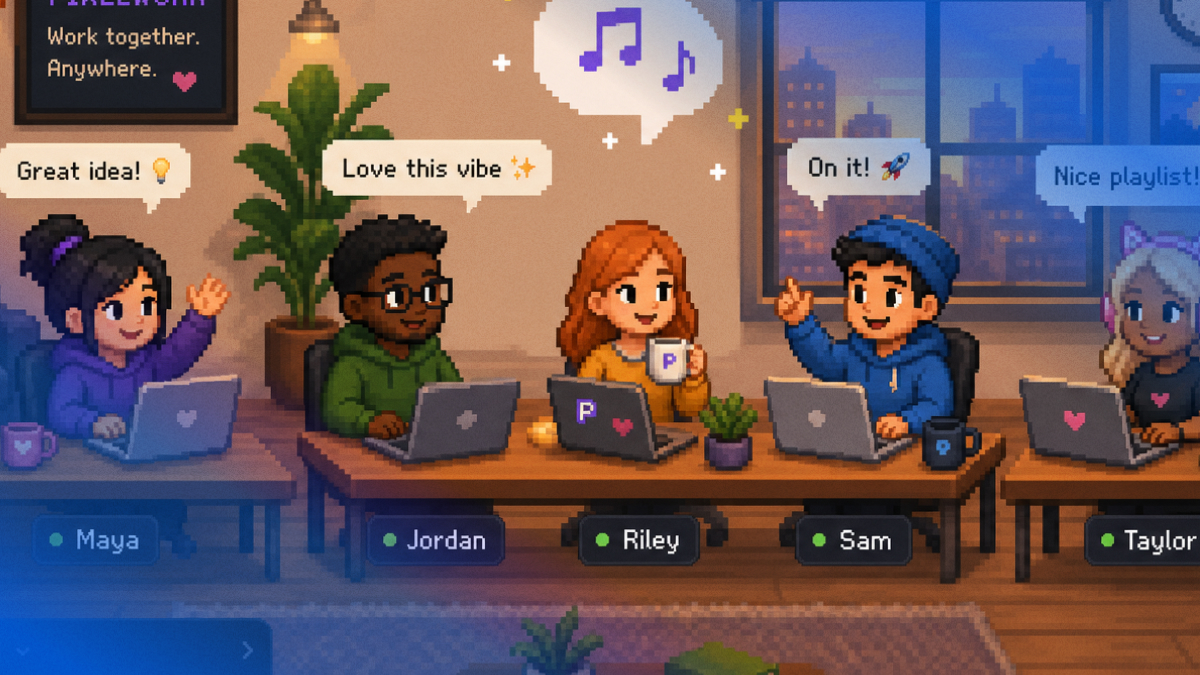
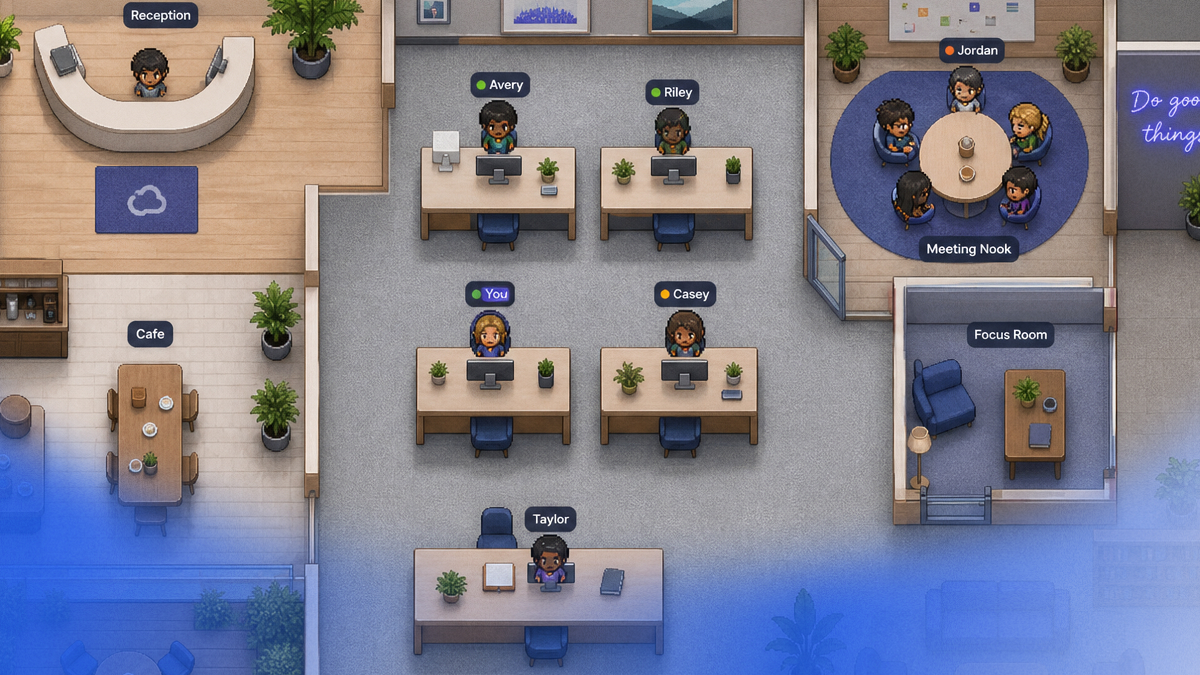
A significant challenge to time management at work is the friction caused by unscheduled interruptions or the "ping-pong" effect of back-and-forth messaging. When team members lack visibility into each other's status, they often interrupt deep work sessions or wait hours for simple answers. Platforms like Hurbly.ai address this by providing a virtual office environment where availability is transparent.
When you can see who is focused, in a meeting, or available for a quick chat, you optimize your time management at work by choosing the right moment to interact. This real-time presence eliminates the need for excessive scheduled meetings, which are often cited as the primary drain on professional schedules. Instead, spontaneous and brief interactions replace long, formal calls, keeping the workflow fluid.
Practical Techniques for Daily Productivity
Implementing specific methodologies can drastically improve your time management at work. These techniques help in categorizing tasks based on urgency and importance, ensuring that critical deadlines are met without compromising the quality of the output.
- Time Blocking: Allocate specific hours of the day to dedicated tasks. This prevents other responsibilities from encroaching on your most important projects.
- The Eisenhower Matrix: Distinguish between urgent and important tasks to decide what to do immediately, what to schedule for later, and what to delegate.
- The Pomodoro Technique: Work in 25-minute intervals followed by short breaks. This maintains high levels of concentration and prevents burnout.
- Batching Similar Tasks: Grouping similar activities, such as responding to emails or data entry, improves time management at work by reducing the cognitive load of switching between different types of mental processes.
Comparison of Communication Methods and Their Impact
The choice of communication tool directly affects time management at work. Choosing the wrong medium for a specific task can lead to wasted hours and miscommunication.
| Communication Type | Impact on Time Management at Work | Best Use Case |
|---|---|---|
| Instant Presence (Hurbly.ai) | High Efficiency: Reduces scheduling overhead and promotes quick resolutions. | Quick questions, informal syncs, and checking availability. |
| Asynchronous Messaging | Moderate: Good for non-urgent updates but can lead to long wait times. | Status updates, documentation links, and non-critical queries. |
| Scheduled Video Calls | Low Efficiency: Often takes longer than necessary and interrupts deep work. | Complex brainstorming, performance reviews, or client presentations. |
| Variable: Can become a significant distraction if not managed properly. | Formal agreements, external communication, and long-form reports. |
Why Visibility Enhances Professional Focus
Visibility is a silent contributor to better time management at work. When a team uses a virtual office space, the "digital body language" of colleagues becomes clear. Seeing a "Focused" status next to a coworker’s name acts as a social cue to avoid interrupting them, which protects their concentration and improves the overall time management at work for the entire department.
This transparency also reduces the anxiety of remote work. Employees no longer feel the need to be "always on" or hyper-responsive to messages just to prove they are working. By displaying their current state through Hurbly.ai, they can dedicate themselves to their tasks, knowing their availability is clearly communicated to their peers.
Integrating Tools for Seamless Workflow
To achieve peak time management at work, your digital ecosystem must be integrated and intuitive. Tools should not require constant manual updates; instead, they should reflect your actual work state automatically or with minimal effort. This automation allows you to stay in the "flow state" longer, which is the most productive state a professional can reach.
Using a platform that replicates the physical office feel helps in maintaining a healthy balance between collaboration and solitary work. Effective time management at work is about finding this equilibrium. When you spend less time navigating complex calendars and more time engaging in meaningful work or quick, productive conversations, the quality of your professional life improves significantly.
Reducing Meeting Fatigue Through Spontaneity
One of the biggest obstacles to time management at work in 2026 remains "meeting fatigue." Many organizations over-schedule to compensate for a lack of physical presence. However, by utilizing real-time visibility, teams can return to the "desk drive-by" style of communication. This spontaneity is a powerful driver for time management at work, as a 30-second conversation can often replace a 30-minute scheduled meeting.
By fostering an environment where quick engagement is encouraged, Hurbly.ai helps teams reclaim their calendars. This shift in culture prioritizes the value of time and respects the individual's need for uninterrupted work blocks. Ultimately, better time management at work leads to faster project completion, reduced stress levels, and a more connected, transparent team culture.