Effective Strategies for Team Productivity and Modern Time Management Methods

In this article

Effective Strategies for Team Productivity and Modern Time Management Methods
Optimizing how a team allocates its hours is essential for maintaining high performance in a remote work environment. Implementing structured time management methods allows groups to synchronize their efforts without the constant need for disruptive meetings. By using clear frameworks, teams can distinguish between deep work phases and collaborative moments, ensuring that every minute spent at the digital desk contributes to the final objective.
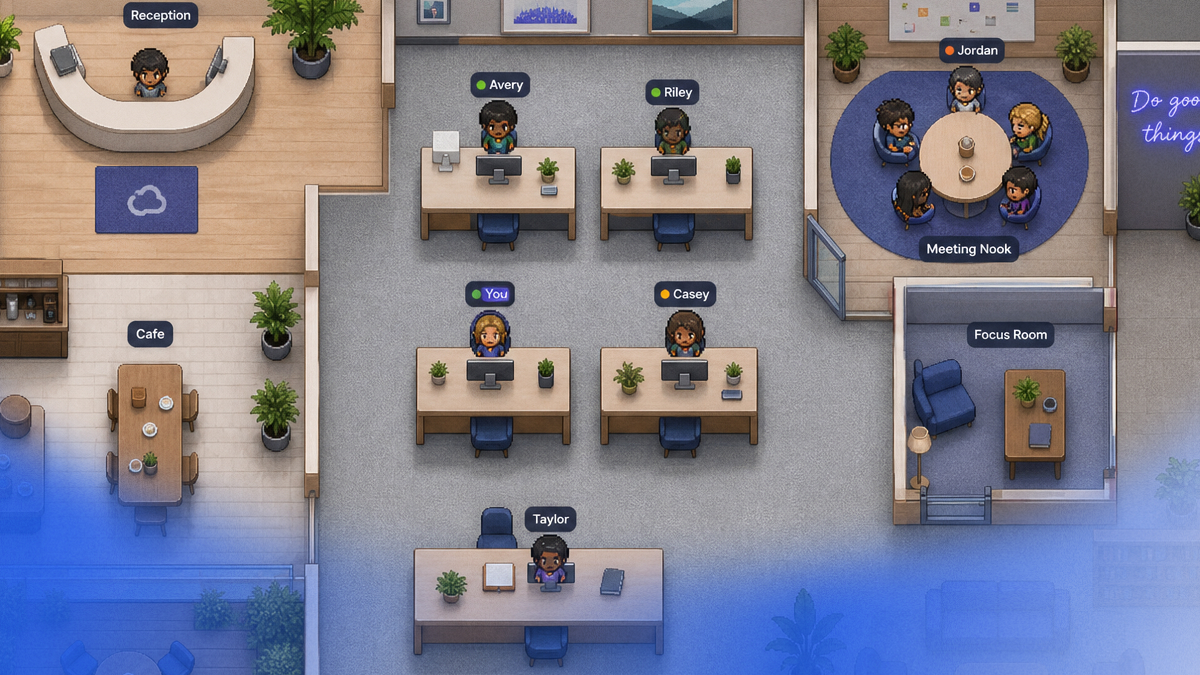
One of the most effective time management methods involves the use of presence indicators to reduce communication overhead. When team members can see who is available or busy in real-time, they avoid sending messages that interrupt a colleague's flow state. This visibility is a core component of modern time management methods because it replaces the "quick question" interruption with a more respectful, asynchronous, or perfectly timed interaction.
Enhancing Workflow with Visual Presence and Time Management Methods
Traditional scheduling often fails because it doesn't account for the fluid nature of daily tasks. Integrating time management methods that focus on real-time availability helps remote teams replicate the spontaneous collaboration found in physical offices. Tools like Hurbly.ai support these time management methods by providing a virtual office layout where team status is transparent, allowing for instant conversations only when appropriate.
| Method Type | Core Focus | Benefit for Teams |
|---|---|---|
| Time Blocking | Specific slots for tasks | Prevents multitasking and fragmentation |
| Presence-Based | Real-time availability | Reduces meeting fatigue and scheduling delays |
| Pomodoro | Short bursts of focus | Maintains high energy levels throughout the day |
| Eat the Frog | Prioritizing hard tasks | Ensures critical goals are met early |
Applying these time management methods ensures that distributed teams do not lose hours to coordination friction. When everyone follows a shared set of time management methods, the collective output increases because the "meta-work"—the work about work—is significantly minimized through better visibility and planning.
Steps to Implement Time Management Methods in Distributed Teams
- Assess Current Bottlenecks: Identify where the team loses the most time, such as excessive video calls or waiting for email replies.
- Select Compatible Time Management Methods: Choose frameworks that suit the team's specific workflow, such as time boxing for developers or presence-based interaction for creative teams.
- Utilize Virtual Office Tools: Implement platforms like Hurbly.ai to visualize these time management methods, making it clear when a person is in a "focused" block or available for a quick chat.
- Establish Communication Norms: Define which time management methods dictate the use of instant messaging versus scheduled meetings.
- Review and Adjust: In 2026, the most successful teams audit their time management methods monthly to adapt to changing project demands and team dynamics.
By following these steps, organizations can create a culture where time is treated as a finite and valuable resource. The goal of these time management methods is not just to work more hours, but to ensure that the hours worked are of the highest possible quality.
The Role of Real-Time Data in Modern Time Management Methods
Data-driven insights are now a fundamental part of how we approach time management methods. Understanding the peak productivity hours of different team members allows for better task distribution. When time management methods are supported by real-time presence data, managers can see patterns of overwork or bottlenecks before they lead to burnout.
Furthermore, these time management methods facilitate a healthier work-life balance. By clearly marking "out of office" or "unavailable" status in a virtual environment, employees can disconnect fully, knowing their colleagues respect the boundaries set by their chosen time management methods. This clarity is vital for long-term retention and employee satisfaction in the modern, distributed workforce.
Finally, the evolution of time management methods in 2026 emphasizes the transition from rigid schedules to flexible, presence-aware systems. By combining traditional discipline with innovative tools like Hurbly.ai, teams can achieve a level of synergy that transcends physical distance, making these time management methods indispensable for any global organization.