Effective Strategies for Team Coordination and Time Management Tips
In this article

Effective Strategies for Team Coordination and Time Management Tips
Understanding how to manage a remote team effectively in 2026 requires a shift from traditional scheduling to real-time visibility. When teams operate across different locations, communication often becomes fragmented, leading to delays and missed opportunities for collaboration. Implementing specific time management tips can help bridge this gap by ensuring that every team member knows exactly when to focus and when to engage with others. By reducing the reliance on long, scheduled meetings, teams can reclaim hours of productive time each week.
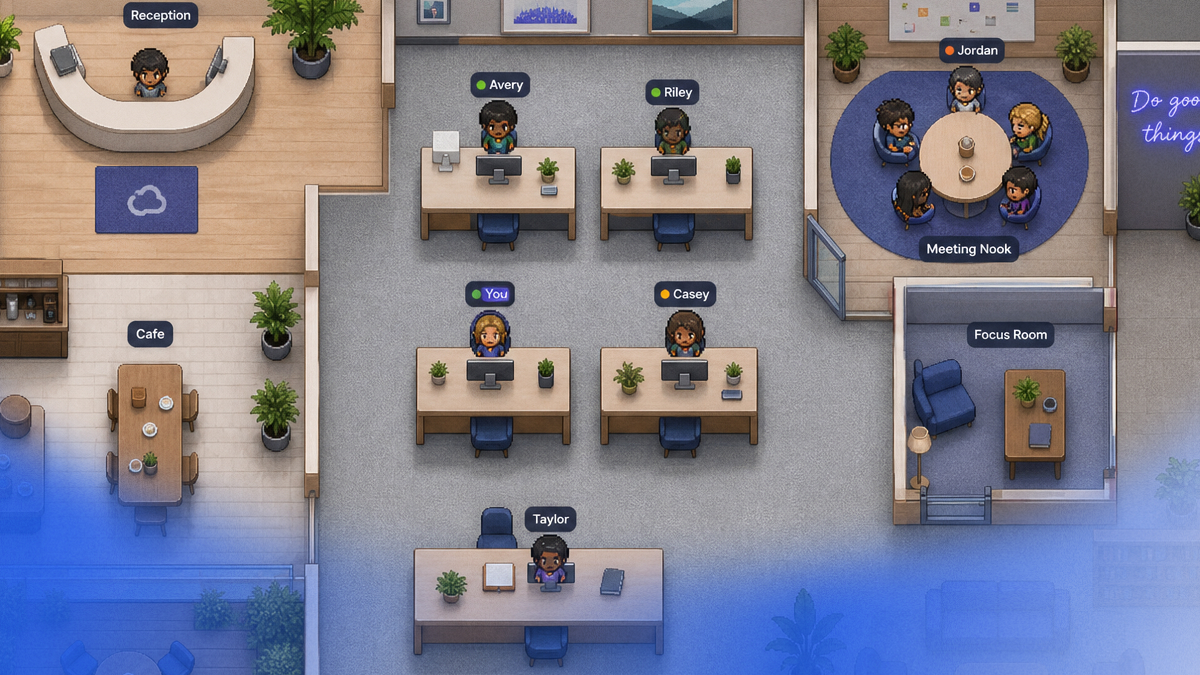
The core of modern productivity lies in transparency. When you can see who is available, who is in a deep-focus session, and who is already in a meeting, you eliminate the guesswork that usually leads to "pinging" people at the wrong time. Integrating these time management tips into your daily workflow allows for a more natural rhythm, similar to a physical office environment. This level of clarity ensures that urgent questions are answered quickly while deep work remains uninterrupted.
Maximizing Productivity with Real-Time Presence Indicators
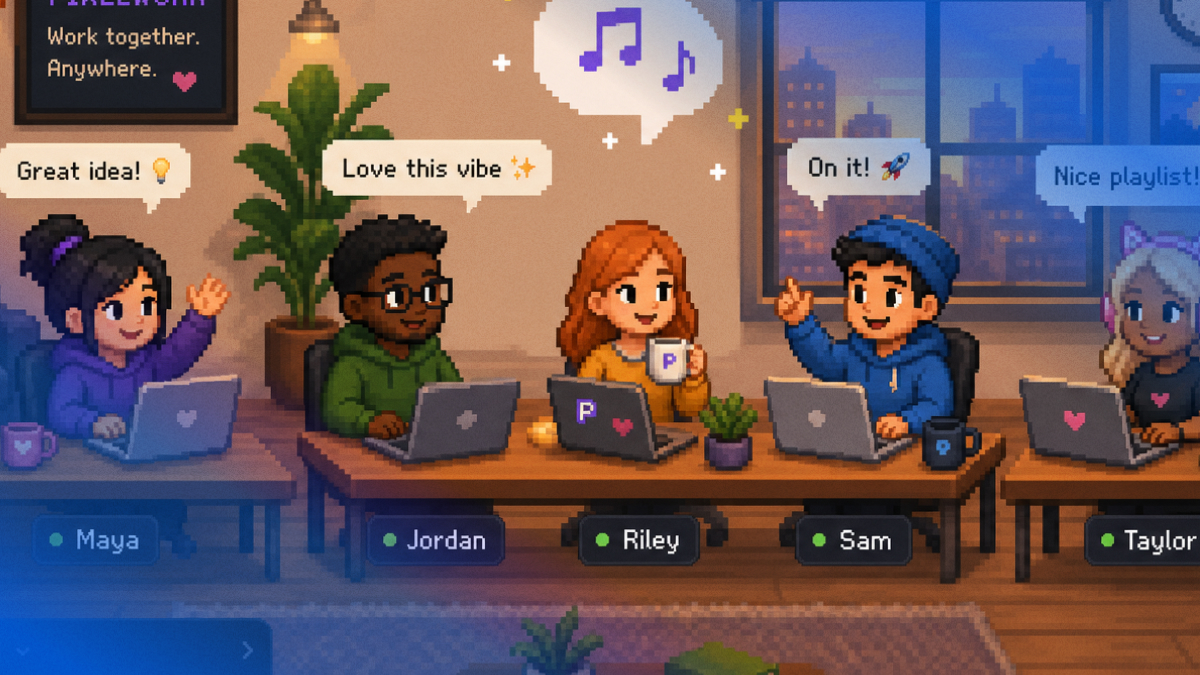
Real-time presence technology transforms how distributed teams interact by providing a visual map of the digital office. Instead of sending a message and waiting for a reply, users can see a coworker’s current status and initiate instant conversations. This approach is one of the most practical time management tips for 2026, as it prevents the "calendar bloat" caused by 30-minute meetings that could have been 2-minute chats. Platforms like Hurbly.ai facilitate this by replicating the spontaneous interactions of a physical workspace.
To make the most of your workday, consider these structured time management tips:
- Visual Status Updates: Use presence indicators to signal when you are open for collaboration or need silence.
- Spontaneous Syncs: Replace scheduled check-ins with quick, informal audio or video huddles when both parties are free.
- Contextual Communication: Check a teammate's current activity before reaching out to respect their focus blocks.
- Reduced Context Switching: Minimize the need to jump between multiple apps by having a central hub for team presence.
By following these time management tips, teams can maintain a high velocity without the burnout associated with constant notifications.
Enhancing Collaboration for Remote and Distributed Teams
For freelancers and distributed organizations, maintaining a sense of connection is vital for long-term success. Collaboration often suffers when team members feel isolated or out of the loop regarding their colleagues' activities. One of the best time management tips for remote leaders is to foster an environment where "walking over to a desk" is digitally possible. This reduces the friction of coordination and allows for more fluid information sharing across different time zones.
Effective team coordination involves more than just tracking tasks; it involves managing the energy and availability of the human beings performing those tasks. Using time management tips such as setting clear boundaries for "available hours" helps prevent the erosion of work-life balance. When a team uses Hurbly.ai, the transparency of seeing who is online helps everyone align their efforts without the overhead of constant status reports.
| Strategy | Benefit | Impact on Efficiency |
|---|---|---|
| Instant Huddles | Reduces meeting overhead | High |
| Focus Mode Signaling | Protects deep work periods | Medium |
| Visual Availability | Eliminates "Are you there?" pings | High |
| Real-time Map | Increases team cohesion | Medium |
Applying these time management tips through a table of priorities helps teams identify which habits will yield the greatest return on their time investment.
Streamlining Workflows to Reduce Coordination Friction
Coordination friction occurs when the effort required to organize work exceeds the effort required to actually do the work. To combat this, teams should adopt time management tips that prioritize direct action over administrative overhead. By seeing real-time status indicators, a manager can decide to delay a non-urgent request if they see a developer is in a "focused" state, thereby preserving the team's collective momentum.
Another essential set of time management tips involves the democratization of availability. When everyone has access to the same presence data, the hierarchy of communication flattens. A junior designer can see that a creative director is free and ask a quick question, preventing a bottleneck that might have lasted until the next day's scheduled meeting. This real-time accessibility is a cornerstone of modern time management tips for agile environments.
Implementing Sustainable Habits for Digital Workspaces
Building a sustainable digital culture requires consistent application of time management tips that respect individual cognitive loads. In 2026, the most successful teams are those that treat time as a finite resource to be guarded. By using tools like Hurbly.ai, organizations can create a digital footprint that mirrors the social cues of a physical office, making it easier to follow time management tips related to social etiquette and professional boundaries.
To successfully implement these changes, follow this process:
- Audit Current Communication: Identify how many "quick questions" currently turn into 30-minute calendar invites.
- Adopt Presence Tools: Use a platform to show real-time availability and focus states.
- Train the Team: Educate members on time management tips like respecting "Do Not Disturb" indicators.
- Evaluate and Adjust: Weekly reviews of team interruptions can help refine how presence is used to save time.
By integrating these time management tips into the organizational DNA, teams can achieve a higher level of transparency and efficiency, ensuring that every minute spent at the digital desk is purposeful and productive.