Understanding the Main Types of Virtual Events for Remote Teams in 2026

In this article

Understanding the Main Types of Virtual Events for Remote Teams in 2026
Virtual events have evolved into essential tools for modern organizations, moving beyond simple video calls to complex digital experiences. In 2026, the landscape of digital interaction is defined by how well teams can simulate physical presence. Choosing between different types of virtual events depends on the specific goals of the gathering, whether it is for education, internal coordination, or large-scale networking. Understanding these categories helps organizations select the right infrastructure to support their remote workforce.
The most common types of virtual events include webinars, virtual conferences, and internal team-building sessions. Webinars are typically one-to-many presentations used for training or lead generation, while virtual conferences attempt to replicate the multi-track experience of a physical convention. For daily operations, internal types of virtual events focus on maintaining team cohesion and ensuring that distributed employees remain aligned with company objectives through consistent, low-friction communication.
Internal Collaboration and Team Presence Events
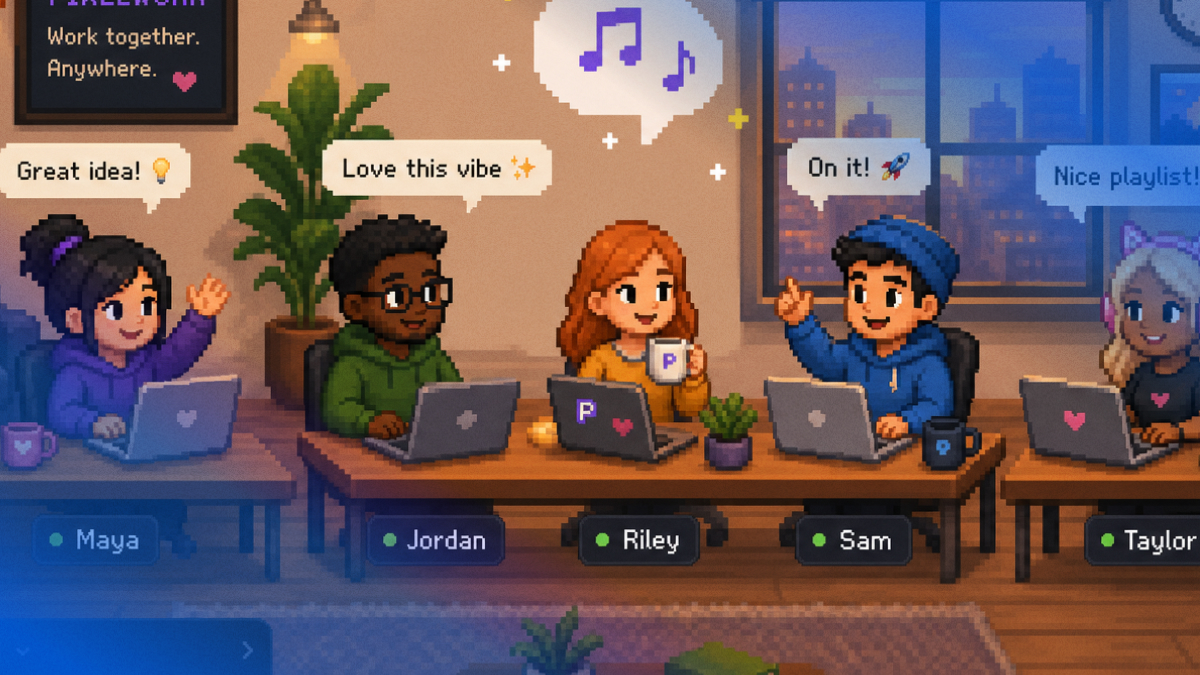
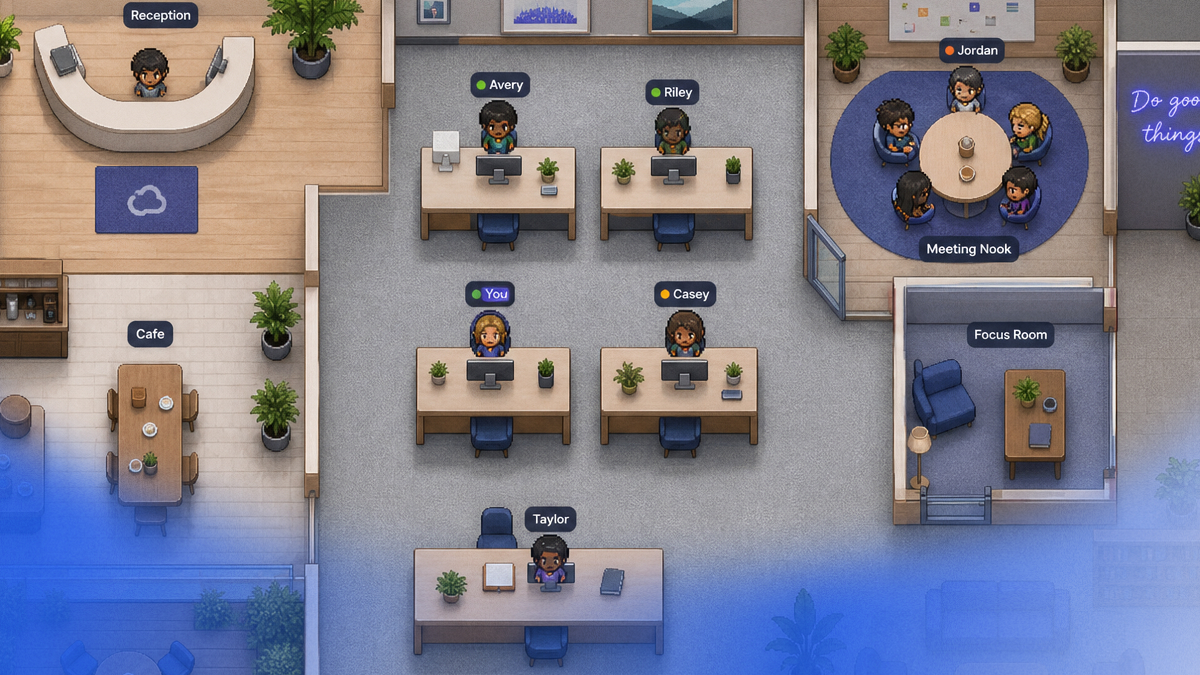
Internal types of virtual events are designed to bridge the gap created by physical distance. Unlike external marketing events, these sessions prioritize real-time interaction and spontaneous problem-solving. A major challenge for remote teams is the loss of "watercooler moments"—those unplanned conversations that spark innovation. By utilizing platforms like Hurbly.ai, teams can transform standard meetings into continuous presence environments where availability is visible to everyone.
To maximize the effectiveness of these types of virtual events, companies often implement the following formats:
- Daily Stand-ups: Short, focused meetings where team members share progress and blockers.
- Virtual Co-working Sessions: Periods where team members stay connected in a shared digital space to work silently, mimicking a physical office.
- Presence-Based Syncs: Utilizing real-time status indicators to start instant, unscheduled conversations instead of waiting for a formal calendar invite.
These specific types of virtual events reduce the "meeting fatigue" often associated with traditional video conferencing. By focusing on presence rather than just scheduled calls, Hurbly.ai allows for more fluid interactions, making the digital workspace feel more like a living office.
Educational and Training Event Formats
When organizations need to disseminate knowledge or upskill their workforce, they turn to educational types of virtual events. These are structured to ensure information retention and participant engagement. In 2026, the focus has shifted from passive listening to active participation. Workshops and seminars now use interactive whiteboards and breakout rooms to keep attendees involved throughout the session.
The table below compares two primary educational types of virtual events:
| Feature | Virtual Workshops | Technical Webinars |
|---|---|---|
| Primary Goal | Skill acquisition and practice | Information delivery and updates |
| Interaction Level | High (Two-way communication) | Medium (Q&A focused) |
| Typical Size | Small groups (5-20 people) | Large groups (50+ people) |
| Duration | 2 to 4 hours | 45 to 60 minutes |
Selecting among these types of virtual events requires analyzing the complexity of the subject matter. For hands-on software training, a workshop is superior, whereas a company-wide policy update is better suited for a webinar format.
Large-Scale Virtual Conferences and Summits
For industry-wide networking or annual company kick-offs, large-scale types of virtual events are the preferred choice. These events require significant logistical planning, often involving multiple simultaneous "stages" or tracks. The goal is to provide a comprehensive experience that includes keynote speeches, panel discussions, and networking lounges where attendees can interact.
Successful large-scale types of virtual events usually follow a specific structural flow:
- Keynote Session: A centralized broadcast to set the tone and share major announcements.
- Breakout Tracks: Specialized sessions where attendees choose topics relevant to their specific roles.
- Networking Intervals: Dedicated times for participants to connect in smaller, interest-based groups.
- On-Demand Content: Providing recordings and resources for participants to access after the live event concludes.
In 2026, these types of virtual events increasingly integrate real-time presence technology. This allows attendees to see who else is "in the room" or available for a quick chat, significantly improving the social aspect of digital conferences.
Choosing the Right Virtual Event for Your Objectives
Identifying the most effective types of virtual events for your organization involves evaluating your desired outcomes against the technical requirements of each format. If the goal is to improve daily transparency and reduce the friction of coordination, a presence-based platform like Hurbly.ai is more effective than a traditional webinar tool. It allows teams to see who is focused or in a meeting, facilitating spontaneous engagement.
When planning your strategy, consider these factors to distinguish between types of virtual events:
- Audience Size: Will there be ten participants or one thousand?
- Engagement Depth: Do you need active collaboration or simple information broadcast?
- Frequency: Is this a daily operational need or a once-a-year celebration?
By categorizing your needs into these specific types of virtual events, you can ensure that your team remains connected and productive. Whether through a high-production virtual summit or the steady, reliable presence provided by Hurbly.ai, the right digital event structure is the backbone of successful remote work in 2026. Understanding these different types of virtual events ensures that communication remains a tool for progress rather than a source of distraction.