Understanding the Management of Work in Progress (WIP) in Remote Teams

In this article

Understanding the Management of Work in Progress (WIP) in Remote Teams
Effective project management in 2026 requires a deep understanding of how tasks move through a production pipeline. The concept of Work in Progress (WIP) refers to any task, project, or piece of software that has been started but is not yet finished. In a digital workspace, managing these active items is essential to prevent bottlenecks and ensure that team members are not overwhelmed by too many simultaneous responsibilities.
When a team has too much Work in Progress (WIP), the focus shifts from completing tasks to simply managing the volume of tasks. This often leads to context switching, where employees lose productivity by jumping between different projects. By limiting the amount of Work in Progress (WIP), organizations can improve their throughput and ensure that each task receives the necessary attention to meet quality standards.
How Real-Time Presence Impacts Work in Progress (WIP)
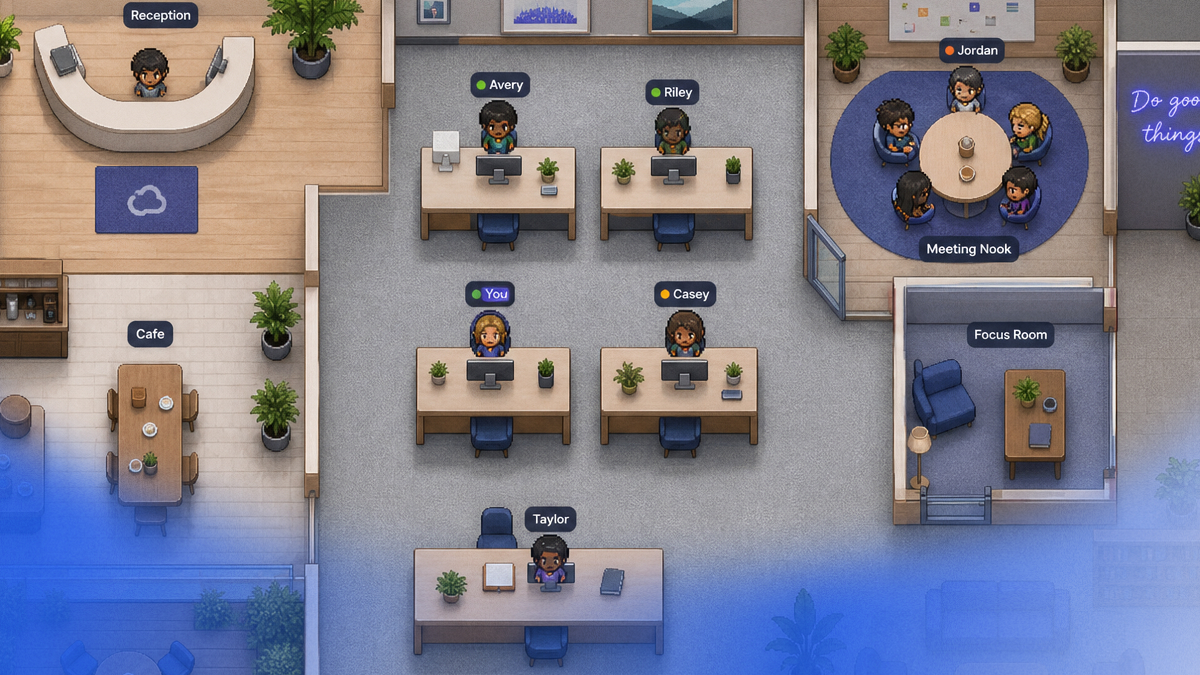
Visibility is a primary challenge for remote teams trying to track their Work in Progress (WIP). Without a physical office, it is difficult to see who is currently occupied with a complex task and who is available to assist with new requests. Tools like Hurbly.ai solve this by providing a virtual office environment where real-time status indicators show exactly what colleagues are doing.
When you can see that a coworker is in a deep-focus state, you gain immediate context regarding their current Work in Progress (WIP). This transparency prevents unnecessary interruptions, allowing the individual to complete their active Work in Progress (WIP) faster. Platforms that emphasize presence help teams synchronize their efforts without the need for constant status update meetings, which often add more Work in Progress (WIP) to an already busy schedule.
Strategies to Optimize Work in Progress (WIP) Flow
To maintain a healthy workflow, teams must implement specific strategies to monitor and control their Work in Progress (WIP). These methods help identify where projects are getting stuck and how to reallocate resources effectively.
- Setting WIP Limits: Establish a maximum number of tasks that can be in the "In Progress" column at any given time.
- Visualizing the Pipeline: Use digital boards to track every piece of Work in Progress (WIP) from start to finish.
- Daily Syncs: Use brief interactions to discuss any Work in Progress (WIP) that is blocked or delayed.
- Reducing Batch Sizes: Break down large projects into smaller segments of Work in Progress (WIP) to ensure faster delivery cycles.
By focusing on finishing existing tasks before starting new ones, teams can significantly reduce the lead time for their Work in Progress (WIP). This shift in mindset—from "starting" to "finishing"—is a hallmark of high-performing distributed teams in the modern era.
Benefits of Reducing Active Work in Progress (WIP)
Lowering the volume of active Work in Progress (WIP) offers several measurable advantages for both the organization and the individual employee. When the list of Work in Progress (WIP) is kept manageable, the quality of the output tends to increase because there is less pressure to rush through tasks.
| Benefit | Description |
|---|---|
| Faster Delivery | Completing current Work in Progress (WIP) before starting new tasks shortens the overall cycle time. |
| Improved Quality | Fewer simultaneous tasks allow for better concentration and fewer errors in the Work in Progress (WIP). |
| Enhanced Morale | Employees feel more accomplished when they can clear their Work in Progress (WIP) regularly. |
| Better Predictability | It becomes easier to estimate when a specific Work in Progress (WIP) will be completed. |
Integrating a virtual office solution like Hurbly.ai supports these benefits by making the team's availability clear. When everyone knows the status of their peers, the coordination of Work in Progress (WIP) becomes a natural part of the workday rather than a complex administrative burden. This real-time connection ensures that any Work in Progress (WIP) requiring collaboration can be addressed instantly, keeping the momentum of the entire project moving forward.