Enhancing Remote Collaboration Through Virtual Coffee Breaks
In this article

Enhancing Remote Collaboration Through Virtual Coffee Breaks
Remote work often lacks the spontaneous interactions found in physical offices. Implementing structured yet informal virtual coffee breaks helps bridge this gap by creating dedicated spaces for social connection. These sessions allow team members to step away from task-oriented communication and engage in casual dialogue, which is essential for maintaining team morale and psychological safety in a distributed environment. When teams prioritize virtual coffee breaks, they reduce the isolation often associated with working from home in 2026.
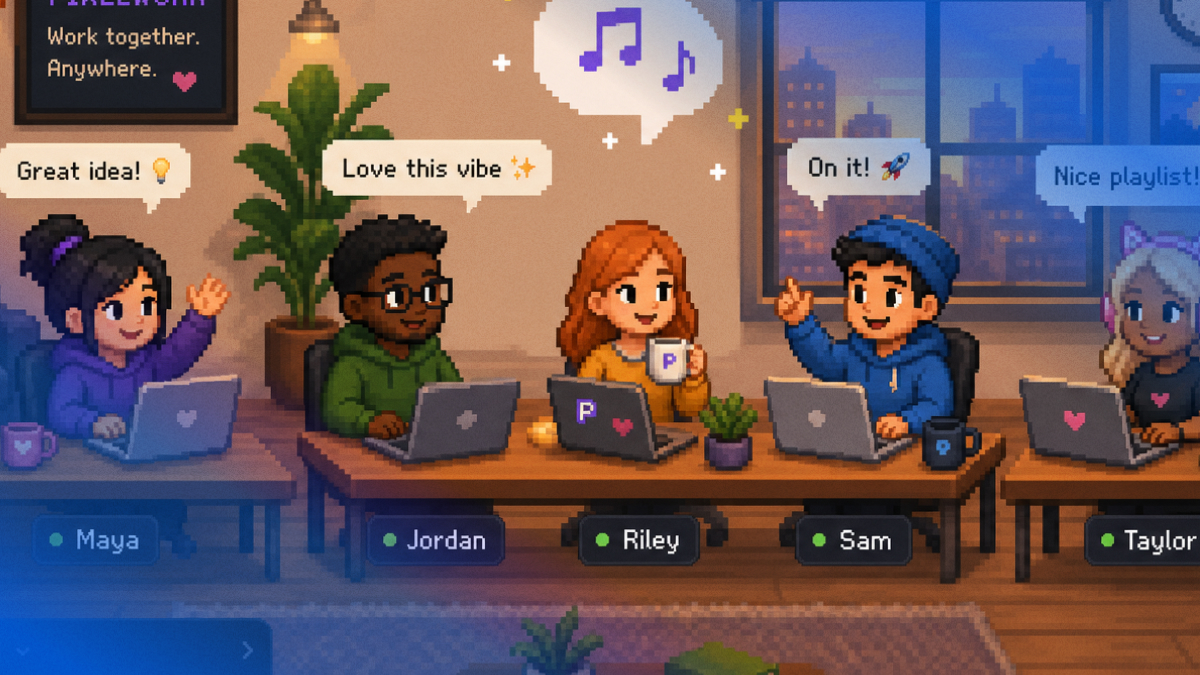
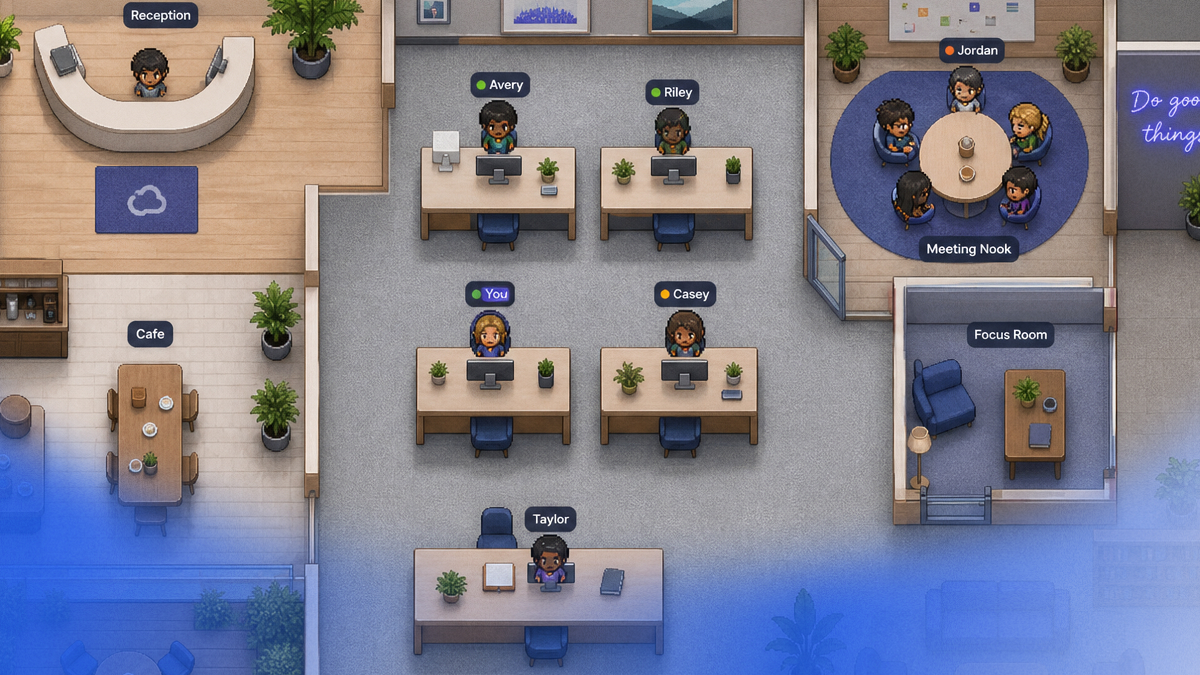
To make these interactions effective, organizations use digital platforms to signal availability. Hurbly.ai facilitates this by showing real-time presence, making it easier to identify when a colleague is open for one of these informal chats. Instead of sending a calendar invite, a user can see a "relaxed" status and initiate virtual coffee breaks instantly. This mimicry of office "water cooler" moments ensures that social bonds remain strong without the friction of over-scheduling.
How to Structure Effective Virtual Coffee Breaks
A successful strategy for virtual coffee breaks requires a balance between flexibility and consistency. While some sessions should be spontaneous, having recurring time slots ensures that even the busiest employees find time for social interaction. These breaks typically last between 15 to 30 minutes, providing enough time for a meaningful conversation without disrupting the workday flow. By utilizing Hurbly.ai, teams can see who is currently on a break, allowing others to join virtual coffee breaks seamlessly.
Effective sessions often follow these simple guidelines:
- No Work Talk: The primary rule of virtual coffee breaks is to focus on non-work topics, such as hobbies, news, or personal updates.
- Optional Attendance: Participation should be encouraged but never mandatory to avoid "zoom fatigue."
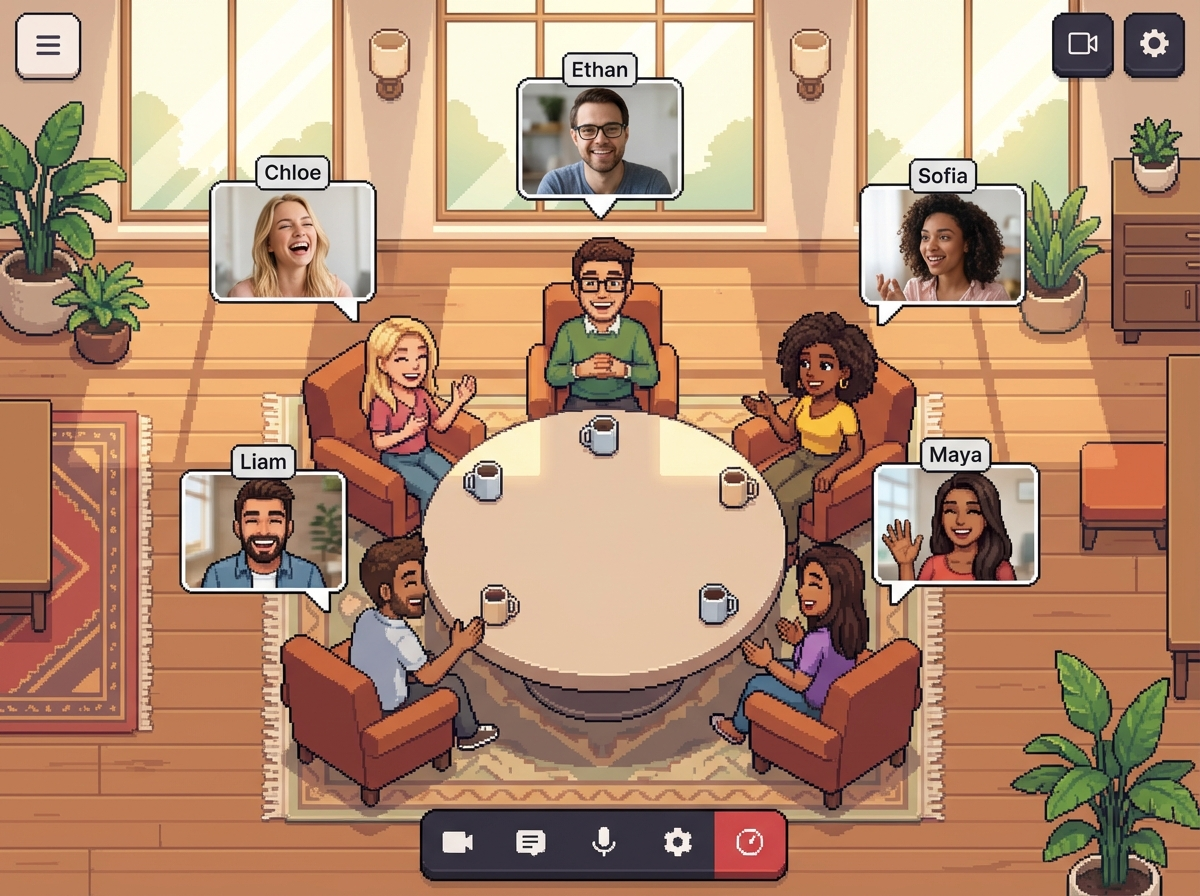
- Small Groups: Keeping virtual coffee breaks to groups of four or five people ensures everyone has a chance to speak and be heard.
- Visual Presence: Turning on cameras helps recreate the feeling of a face-to-face meeting, making the interaction more personal.
The Role of Real-Time Presence in Social Interaction
The biggest challenge for virtual coffee breaks in a remote setting is knowing when a colleague is actually free. Without visual cues, employees often fear interrupting a focused coworker. Tools like Hurbly.ai solve this by providing live status indicators. When a team member sees a colleague is not in a meeting or "deep work" mode, they can suggest quick virtual coffee breaks with confidence. This transparency removes the guesswork and social anxiety of digital outreach.
| Feature | Impact on Virtual Coffee Breaks |
|---|---|
| Real-time Status | Helps identify the perfect moment for virtual coffee breaks. |
| Instant Audio/Video | Allows users to start virtual coffee breaks without links or invites. |
| Presence Indicators | Shows who is "at their desk," making the office feel alive. |
| Focus Modes | Prevents interruptions during deep work while highlighting social availability. |
Why Teams Prioritize Virtual Coffee Breaks in 2026
In 2026, the maturity of remote work culture has proven that productivity is tied to emotional well-being. Regular virtual coffee breaks serve as a preventative measure against burnout by providing necessary mental resets. These interactions foster a sense of belonging, which is a key driver for employee retention in distributed firms. When a company integrates virtual coffee breaks into its daily routine, it signals that it values the human element of the workforce, not just the output.
Furthermore, virtual coffee breaks act as a catalyst for cross-departmental communication. In a physical office, you might meet someone from finance while grabbing a drink; in a digital space, this requires intentionality. By using Hurbly.ai to see across different "virtual rooms," employees from various departments can gather for virtual coffee breaks, leading to diverse perspectives and unexpected collaborative ideas. This fluid movement between work and social interaction is what defines a high-performing remote culture today.
Implementing a Virtual Coffee Break Routine
To start, teams should define a digital space specifically for socializing. This could be a designated channel or a virtual room where people "sit" when they are open to conversation. By observing the presence data on Hurbly.ai, managers can lead by example, frequently hopping into virtual coffee breaks to show that taking time for social connection is supported by leadership. This top-down approach helps normalize the practice and reduces the guilt employees might feel when not performing task-related duties.
- Select a Platform: Use a tool that shows real-time availability to reduce scheduling friction.
- Set the Environment: Create a specific "Coffee Room" in your virtual office.
- Invite Participation: Encourage team members to join virtual coffee breaks whenever they see two or more people already in the room.
- Rotate Participants: Use random pairings occasionally to ensure everyone gets to know different team members through these virtual coffee breaks.
By following these steps and leveraging real-time presence technology, remote teams can enjoy the same level of camaraderie as their in-office counterparts. Focusing on virtual coffee breaks ensures that the digital workspace remains a vibrant, human-centric environment.