Essential Virtual Event Best Practices for Remote Teams in 2026

In this article

Essential Virtual Event Best Practices for Remote Teams in 2026
Effective online collaboration requires a strategic approach to digital interaction. Implementing virtual event best practices ensures that remote teams maintain high levels of engagement and productivity during synchronized sessions. In 2026, the focus has shifted from merely hosting a call to creating immersive, interactive environments where participants feel truly present. By following established virtual event best practices, organizations can overcome the common pitfalls of digital fatigue and communication silos.
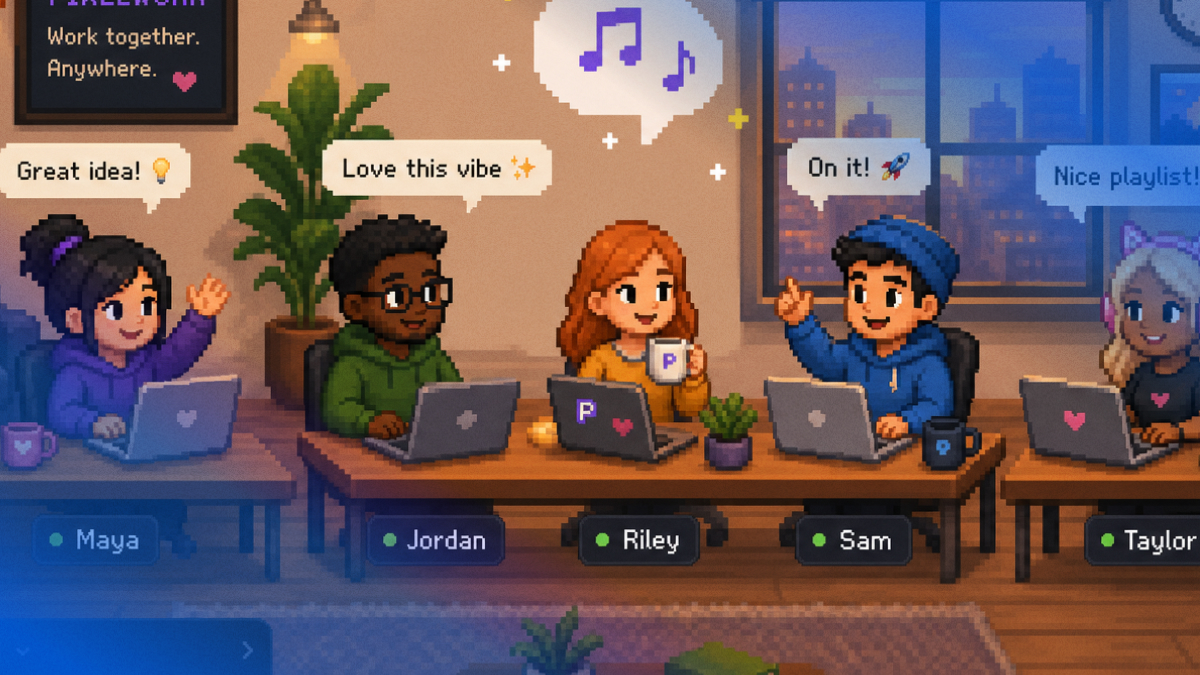
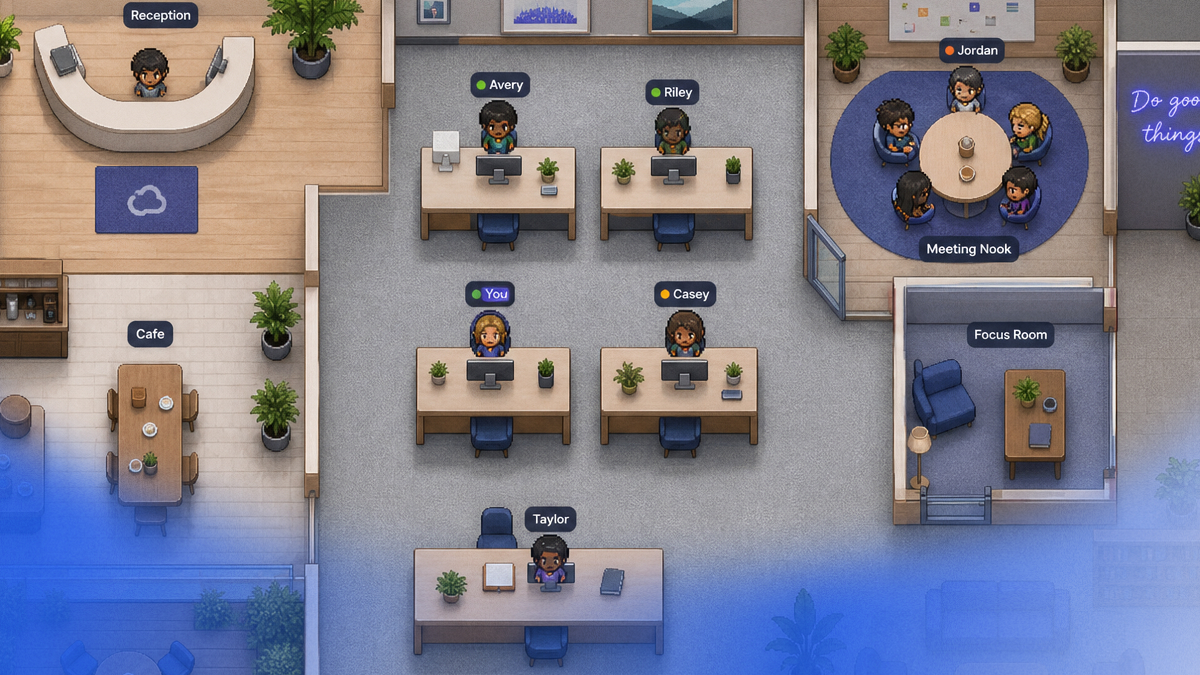
One foundational element of virtual event best practices is the preparation of the digital environment. This involves more than just checking an internet connection; it requires selecting tools that facilitate real-time visibility and spontaneous interaction. Platforms like Hurbly.ai help bridge the gap between physical and digital offices by showing real-time availability, which is a key component of successful team coordination. When everyone knows who is available or busy, the flow of a virtual event becomes more natural and less disruptive.
Planning and Structuring Engaging Digital Sessions
To maximize the impact of any online gathering, organizers must adhere to virtual event best practices regarding structure and timing. Long, monotonous presentations often lead to disengagement. Instead, break sessions into smaller, digestible modules. This approach aligns with virtual event best practices by allowing for frequent breaks and shifts in format, which helps maintain the cognitive focus of the audience throughout the duration of the event.
| Strategy Phase | Action Item | Expected Outcome |
|---|---|---|
| Pre-Event | Define clear objectives and roles | Reduced confusion and better flow |
| During Event | Use live polls and Q&A sessions | Increased participant engagement |
| Post-Event | Share summaries and action items | Improved accountability and retention |
Incorporating interactive elements is another of the vital virtual event best practices. Use live polling, breakout rooms, and collaborative whiteboards to transform passive listeners into active contributors. These tools allow for diverse perspectives to be shared quickly. Following these virtual event best practices ensures that the event serves as a two-way communication channel rather than a one-sided broadcast, making the information more memorable for all participants.
Enhancing Real-Time Collaboration and Presence
A significant challenge in remote work is the loss of "watercooler moments" or spontaneous huddles. Applying virtual event best practices involves recreating these informal touchpoints. Hurbly.ai supports this by providing presence indicators, allowing team members to see who is focused or available for a quick chat. Integrating such visibility into your daily workflow is among the top virtual event best practices for maintaining team cohesion in a distributed environment.
- Monitor Availability: Use real-time status indicators to choose the best moment for interaction.
- Encourage Short Bursts: Replace hour-long meetings with 15-minute focused huddles when possible.
- Visual Cues: Utilize video or avatars to provide a sense of "being there" with the team.
- Instant Access: Enable one-click conversations to reduce the friction of scheduling.
By following these steps, teams can implement virtual event best practices that prioritize fluid communication. This reduces the administrative burden of managing calendars and allows more time for actual collaborative work. When the technology mimics the accessibility of a physical office, the team’s collective intelligence is more easily harnessed.
Technical Optimization and Accessibility
Technical reliability is the backbone of any digital gathering. Adhering to virtual event best practices means ensuring that all participants have the necessary access and instructions well in advance. This includes providing clear guides on how to use the chosen platform and ensuring that the content is accessible to individuals with different needs. High-quality audio and stable video are non-negotiable virtual event best practices that directly impact the professional tone of the event.
Furthermore, virtual event best practices dictate that organizers should always have a contingency plan. If a primary tool fails, a secondary communication channel should be ready. Documenting these protocols helps the team stay calm and focused if technical issues arise. By integrating tools like Hurbly.ai into the organizational stack, teams can maintain a constant layer of connectivity that serves as a reliable home base for all digital interactions.
Measuring Success and Continuous Improvement
The final stage of implementing virtual event best practices is the evaluation of the event's effectiveness. Data-driven insights, such as participation rates and feedback scores, provide concrete evidence of what worked and what didn't. Reviewing these metrics is a core part of virtual event best practices, as it allows for the refinement of future sessions. Continuous improvement ensures that the organization stays at the forefront of digital collaboration trends.
Teams that consistently apply these virtual event best practices report higher levels of satisfaction and better alignment on project goals. By focusing on clarity, presence, and interactive design, remote organizations can create a digital culture that is as vibrant and productive as any traditional office. Utilizing modern platforms like Hurbly.ai ensures that the human element of work remains central, even when the team is spread across different time zones and locations.